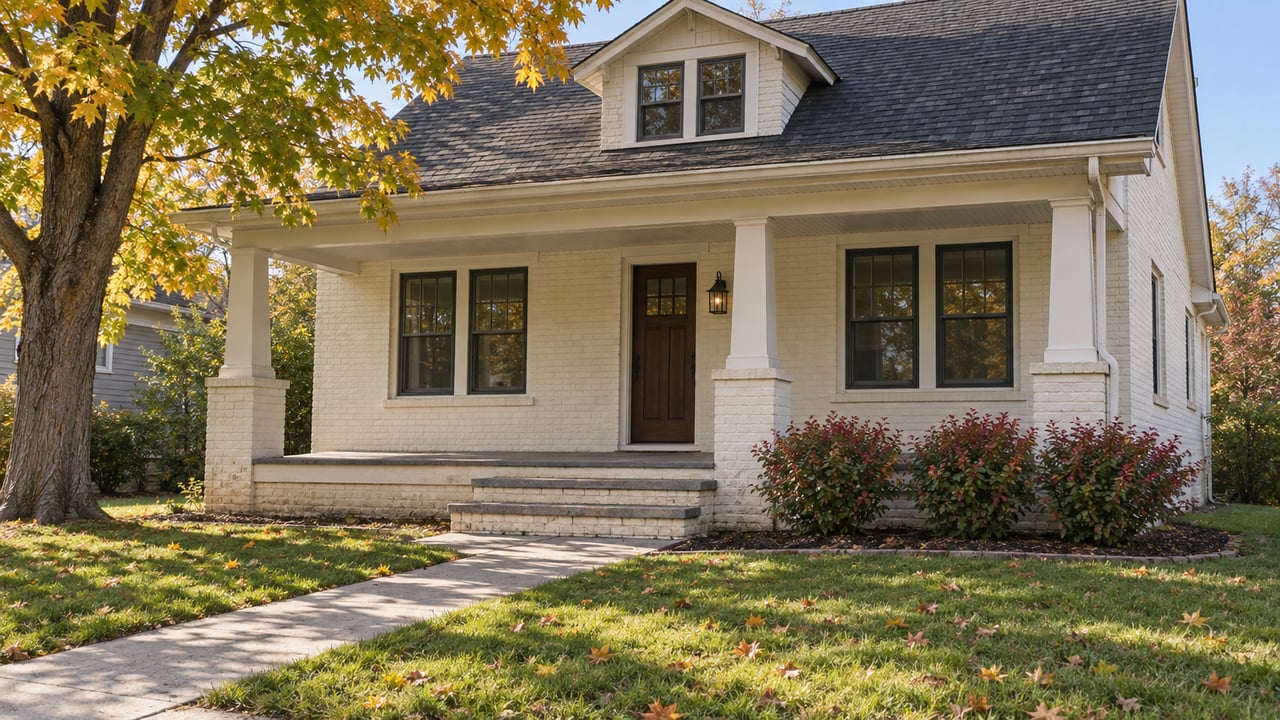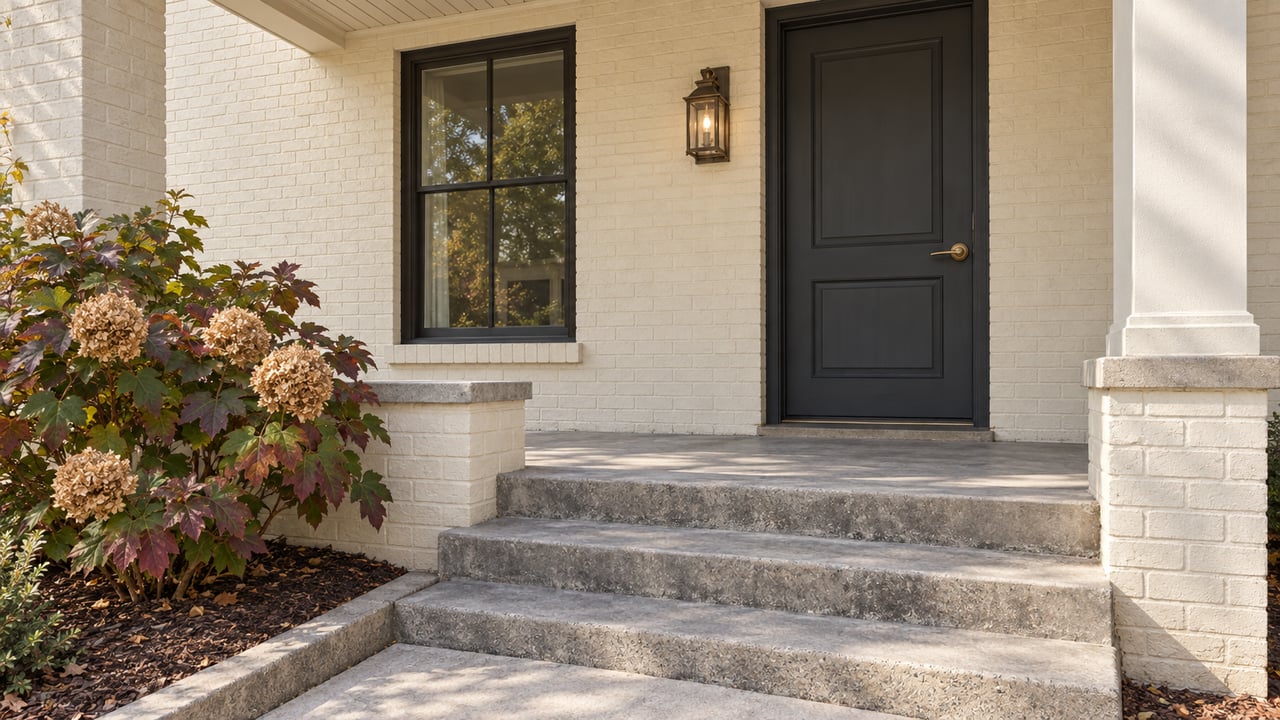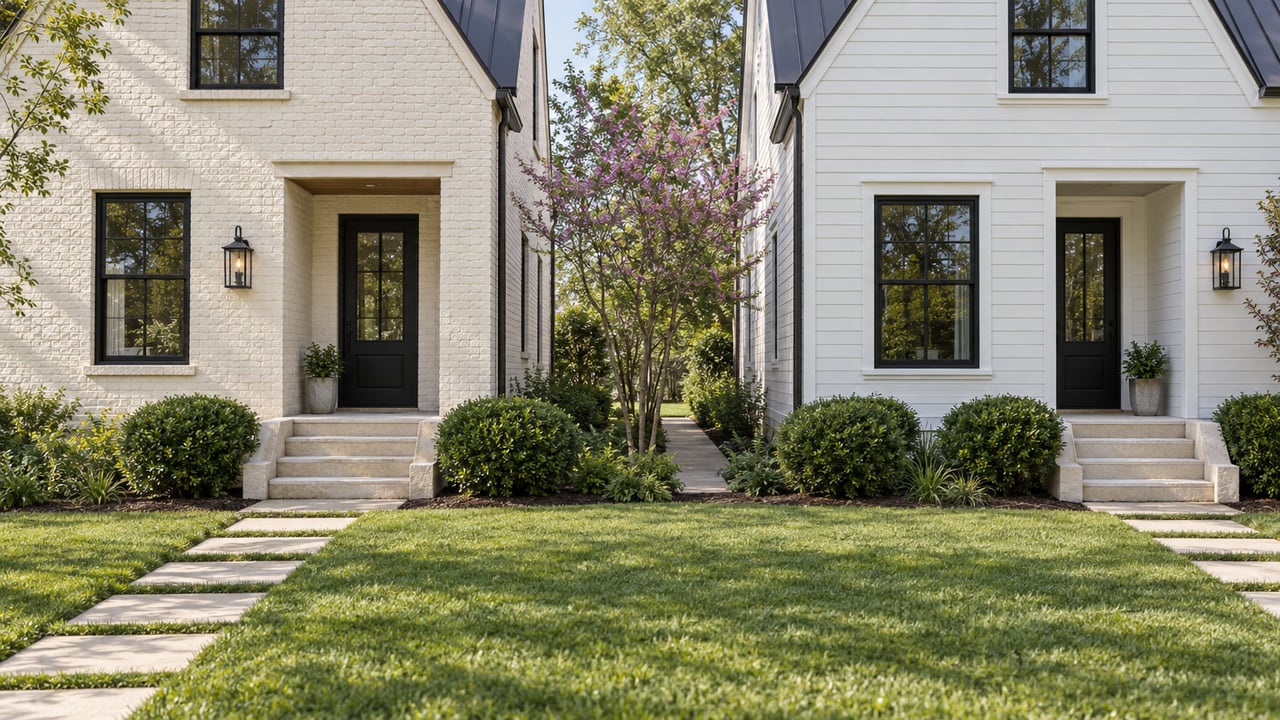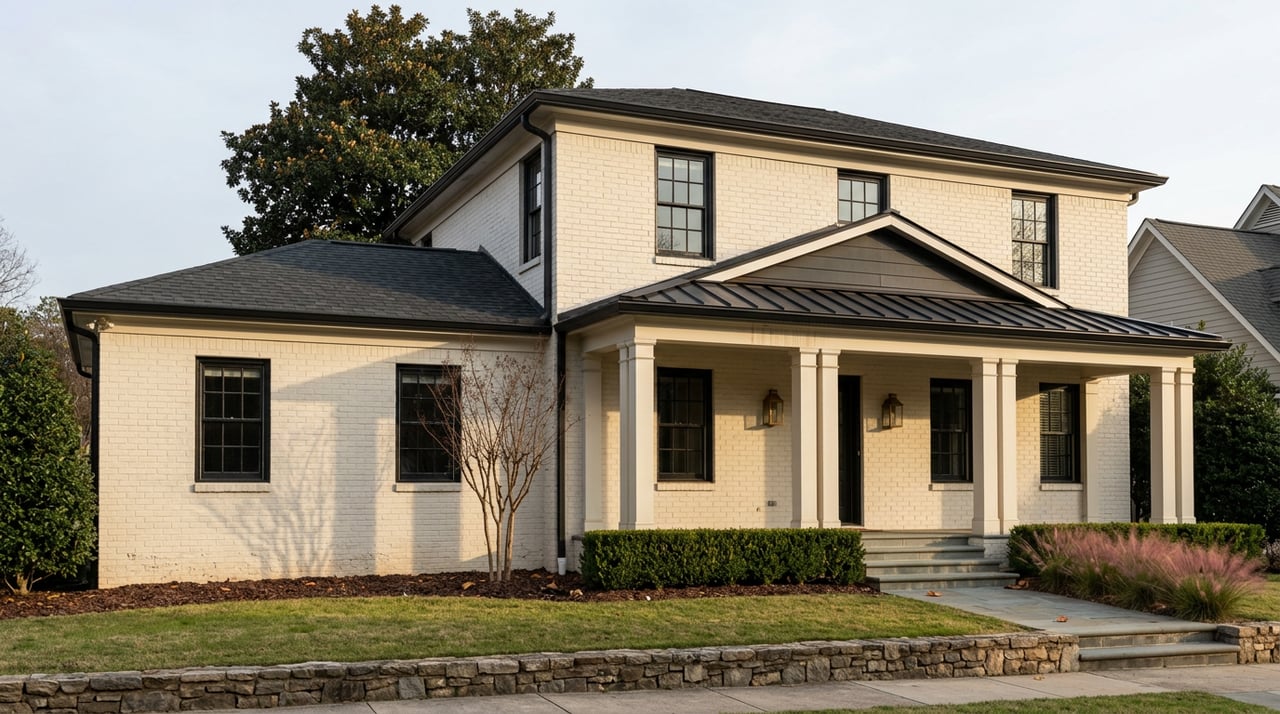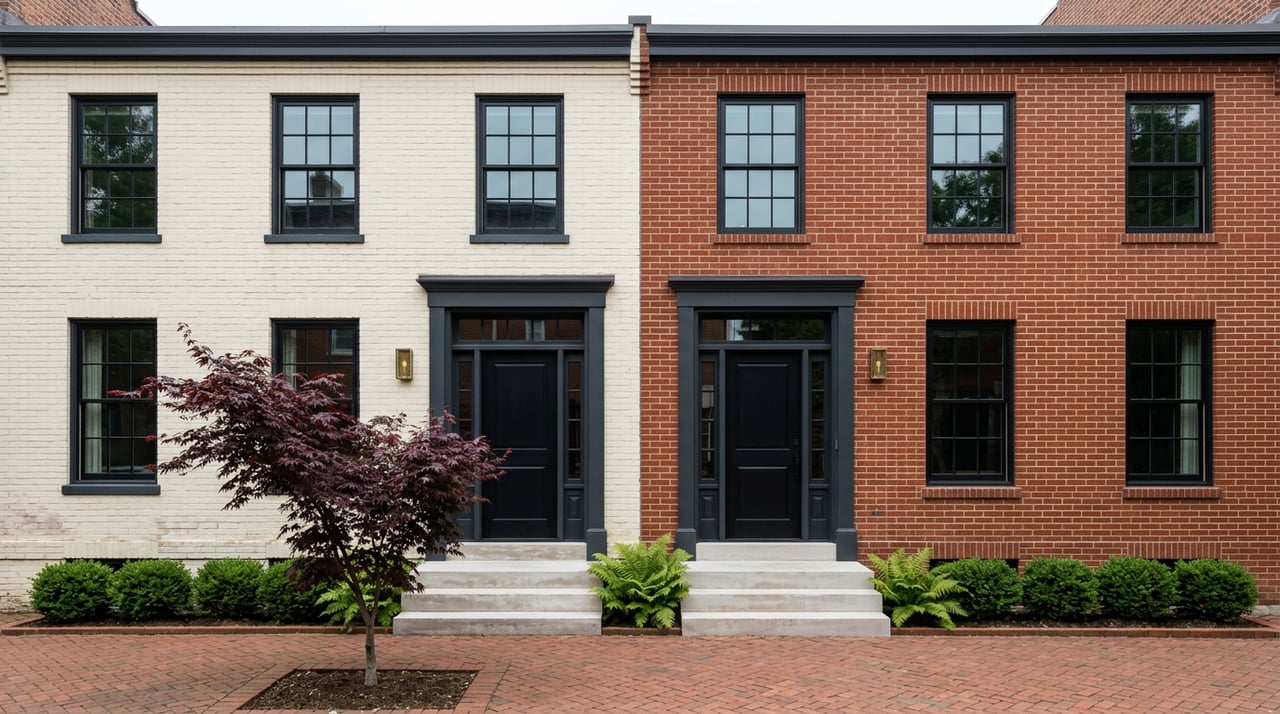
Cross Hume Street heading north from Germantown's core and the commute to downtown doesn't change. Neither does the ZIP code, the walk to the Nashville Farmers' Market, or the five-minute drive to I-65. What changes is the price. Across the 150 Germantown transactions that closed in the three years ending in May 2026, the median sale price landed at $865,000. Break that number apart and Germantown proper priced out at a $915,000 median, while Salemtown, sitting inside the same 37208 ZIP code, closed at $775,000. That's a gap of roughly 15 to 20 percent for two neighborhoods that read, on a map, like one continuous grid of brick sidewalks and Victorian rooflines.
The easy explanation is that Germantown simply has better bones, older homes, more restaurants. That's true as far as it goes, but it doesn't explain the price gap. Germantown's 18-block street grid was laid out well over a century ago. Salemtown sits immediately north of Hume Street. The price gap isn't a soft judgment about which streets feel nicer. The Metro Council's Germantown historic-overlay ordinance sets the hard regulatory boundary the gap tracks, and most buyers writing offers on either side of it have never seen the map that draws it.
Two Different Rules, Doing Two Different Jobs
Here's where most Germantown research, including a lot of what circulates on real estate sites, gets muddled: there are two separate historic designations layered onto this neighborhood, and they do unrelated things.
The first is the National Register of Historic Places listing, which Germantown received in 1979. That listing is what makes a property eligible for federal historic tax credit treatment. It is an honor and a financial door, but it doesn't, by itself, give Metro government any say over what an owner does to a building's exterior.
The second is Metro Nashville's own historic zoning overlay, a local design-review layer that the Metro Council adopted for Germantown. This is the rule with teeth. New additions, demolitions, and relocated structures inside the overlay are reviewed under the Metro Historic Zoning Commission's Germantown design guidelines; the Metro Historic Zoning Commission meets the third Wednesday of each month to review applications against those guidelines. Preservation Nashville describes this overlay as the only zoning tool in the city that can actually stop a demolition outright. Base zoning can't do that. A homeowners association can't do that. The overlay can.
That distinction matters because it means the price premium buyers are paying in Germantown proper isn't really a premium for history. It's a premium for certainty. Buy on Monroe Street or Hume Street inside the overlay and you're buying into the same design-review system. Buy in Salemtown, north of that same Hume Street boundary, and you're buying newer, often more affordable infill without that same layer of design review standing behind it. Neither choice is wrong. They're pricing two different things, and the market has quietly sorted itself around a boundary most buyers assume is just a neighborhood name change.
What the Money Actually Buys, Tier by Tier
The spread across Germantown and Salemtown is wide enough that "median price" hides more than it reveals.
| Tier | What it looks like | Where the numbers land |
|---|---|---|
| Entry | Condos, smaller rowhouses, Salemtown infill | Salemtown median around $775,000 for transactions closing in the 36 months ending May 2026 |
| Core historic | Victorian rowhouses and Italianate cottages on Germantown's original streets | Germantown proper median around $915,000 over the same window |
| New construction, luxury | Townhomes, including Tennyson Germantown | $1.65 million median across 21 recorded sales |
| Top of market | Hanover Germantown, a 52-home development spanning a full city block from 3rd and Madison to Monroe | $1.65 million to $4 million, with the first 14 homes previously slated for a summer 2026 delivery |
Hanover is worth naming specifically because it's the clearest evidence that the overlay doesn't freeze Germantown in amber. Developed by Chapman Capital, SilverPine Real Estate, and Trimark Builders, whose principals Steven Ezell and Mike Hartley bring three prior Germantown projects between them, Hanover's homes still go through the same design-review process as a single homeowner replacing a porch railing. New construction and historic preservation aren't opposites here. They're operating under the same rulebook, which is exactly why the streetscape holds together as new buildings go up next to 1880s cottages.
Meanwhile, Redfin's tracking of the Nashville Germantown market showed homes that closed in May 2026 spending a median of 74 days on market, up from 53 days a year earlier, on 13 recorded sales that month. That's a longer runway than buyers had during the 2022 peak, and it means there's more room to negotiate than the median price alone suggests, particularly on properties that need work.
The Tax Credit Owner-Occupants Shouldn't Pencil Into the Budget
This is the detail that catches renovation-minded buyers off guard, and it connects directly back to the National Register-versus-local-overlay distinction above.
The Tennessee Historical Commission describes a 20 percent historic rehabilitation tax credit, and Germantown's National Register listing makes properties here eligible to apply for it. What that eligibility does not do is help a family who wants to buy a Victorian on Monroe Street and live in it. The federal credit applies only to income-producing buildings, rental units, small commercial space, adaptive-reuse conversions of the kind Germantown has seen in its old warehouse buildings. An owner-occupied single-family home doesn't qualify.
It gets tighter from there. Revitalize Tennessee identifies Tennessee as one of only a small handful of states without a state-level historic tax credit to fill that gap; that status has persisted through more than a decade of similar bills introduced in the General Assembly and failing to reach a floor vote. The legislature adjourned its 2026 session in April with no state historic tax credit on the books.
Practically, that means anyone budgeting a historic Victorian renovation for personal use in Germantown should assume zero tax credit offset, not a partial one, not a "we'll figure it out with our accountant" one. The math only opens up if the plan involves renting the property out or converting part of it to income-producing use, which is a different transaction with a different risk profile than buying a forever home.
What This Means Depending on Who You Are
If you're comparing Germantown to Salemtown on a spreadsheet, the 15 to 20 percent gap isn't wasted money if what you value is knowing the block will look the same in ten years. It is wasted money if what you actually want is more square footage for less, in which case Salemtown's newer infill, still inside the same walk to the Farmers' Market and the same five-minute run to I-65, deserves a serious look before you write an offer on the pricier side of Hume Street.
If you're a small investor or developer, the calculation flips entirely. Metro design review adds a real step to your project timeline, one that runs on Metro's monthly meeting calendar rather than your closing calendar. Build that into your holding costs from day one. And if the deal only pencils with a historic tax credit attached, structure it as a rental or mixed-use project from the start. Don't discover the owner-occupant exclusion after the renovation is underway.
A Few Questions Worth Settling Before You Offer
Does buying inside the historic overlay slow down a renovation? Yes, relative to an unrestricted property. Exterior work is subject to design review by the Metro Historic Zoning Commission, which reviews applications monthly rather than on demand.
Can I still get a historic tax credit if I plan to live in the house? Not under the federal program as it currently stands. The 20 percent credit is reserved for income-producing properties. Tennessee has no state credit to fall back on.
Is Salemtown likely to end up inside the same overlay someday? Nothing in the current record suggests an expansion is pending. Any change would require its own Metro Council action.
Sorting out which side of that boundary makes sense for your budget, your renovation plans, and your timeline is exactly the kind of decision that benefits from someone who's walked both sides of Hume Street with clients and watched projects move through Metro's design-review process from the inside. Stephanie Lowe combines that neighborhood-level read with in-house development and construction experience, which matters most right when a deal looks good on paper but hasn't yet been tested against Metro's design guidelines. Schedule a consultation before you write the offer, not after.
This article is general information, not legal, tax or financial advice. Consult a qualified professional about your situation.