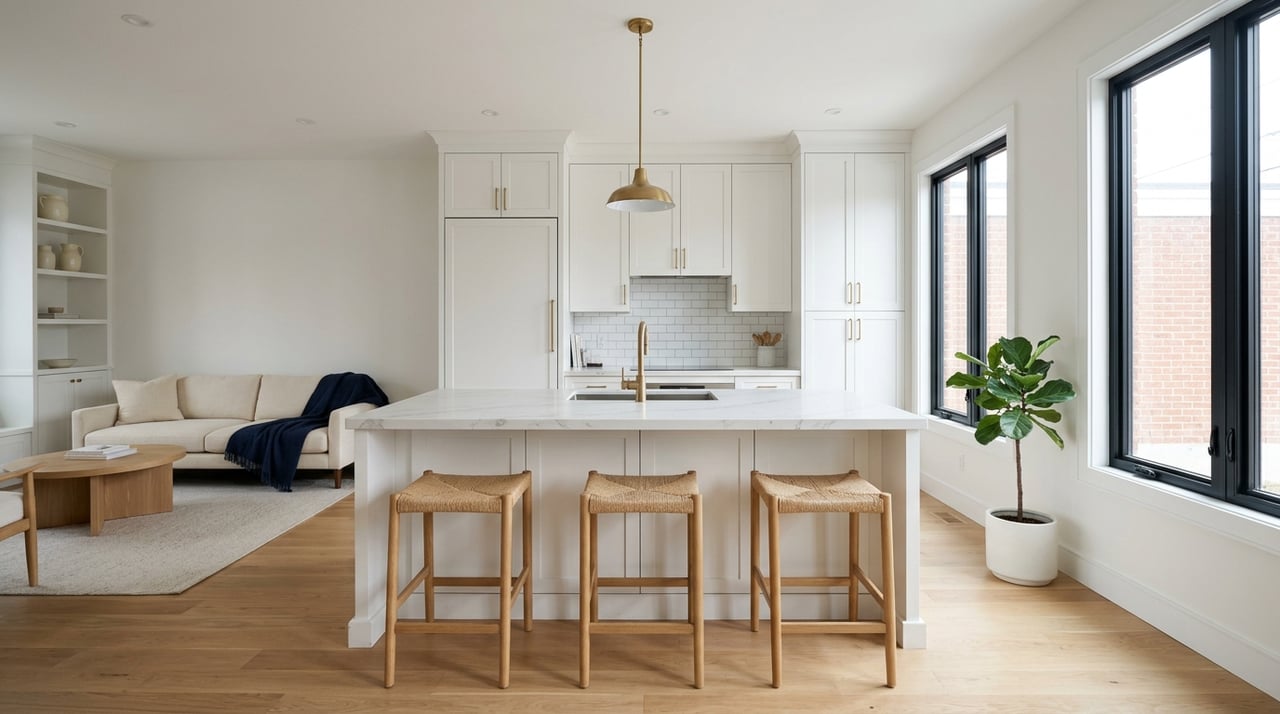
Looking for a home near downtown Nashville without taking on the full upkeep of a standalone house? In Germantown and Salemtown, condos and townhomes give you a different way to live in the city, one that often blends walkability, design-forward spaces, and lower day-to-day maintenance. If you are weighing attached living in this part of Nashville, it helps to understand the housing types, the ownership details, and the neighborhood context before you decide. Let’s dive in.
Why Germantown and Salemtown Stand Out
Germantown and Salemtown sit side by side in central Nashville, but they are not blank-slate new-build areas. Metro notes that Nashville does not have a definitive neighborhood boundary map, and both areas are shaped by historic development patterns and ongoing preservation standards.
That history matters when you shop for a condo or townhome here. Germantown grew from a 19th-century German settlement and later revitalization, while Salemtown’s conservation area reflects development from the late 1850s through the mid-20th century. In practical terms, attached housing in these neighborhoods is part of an established urban fabric with architectural context, not just a collection of newer units.
Attached homes are also a meaningful part of the current housing mix. Recent Redfin snapshots show 22 condos and 8 townhouses in Germantown, plus 11 condos and 4 townhouses in Salemtown. If you want an urban lifestyle with a range of attached options, this corridor offers real variety.
What Condo and Townhome Living Looks Like Here
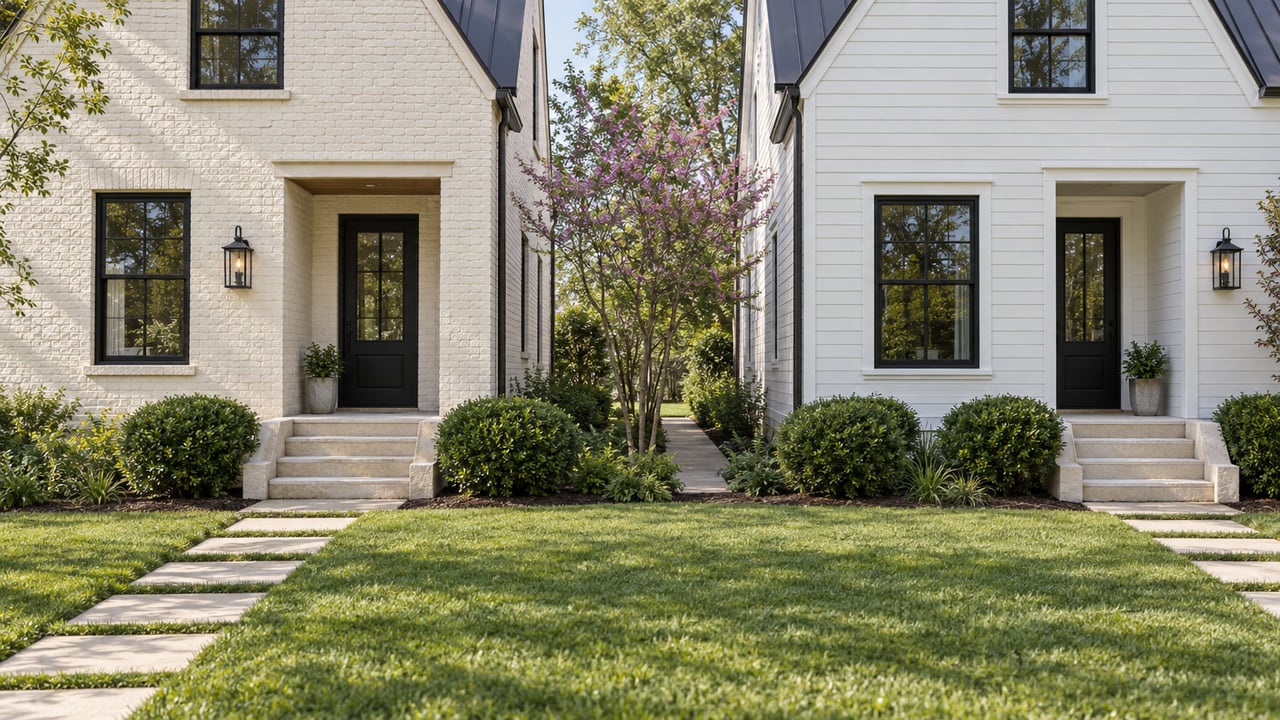
In Germantown and Salemtown, “attached living” can mean several different things. You may see loft-style condos, newer rowhomes, garden-level units, or larger townhomes with multiple stories and private garages. That is why it is important not to treat condo, townhome, and attached home as interchangeable terms.
Many Germantown condos lean into adaptive-reuse or loft-style design. Listings often feature open layouts, tall ceilings, exposed brick, and in-unit laundry. In some buildings, buyers may also find amenity packages such as controlled access, gated parking, pools, fitness space, grilling areas, and dog runs.
Townhomes and rowhomes in the Germantown-Salemtown corridor often offer more square footage than buyers expect from attached housing. Current listings commonly range from about 2 to 4 bedrooms and roughly 1,800 to 3,700 square feet, with features like rooftop terraces, balconies, wet bars, en-suite bedrooms, two-car garages, and elevator-ready shafts.
Salemtown adds a useful layer of variety. Some attached homes still include screened porches, private patios, or fenced backyards, while other condo options focus on lower-maintenance living with shared parking or terrace space. If outdoor space is high on your list, the answer may not be “yes” or “no.” It may depend on the specific building or ownership structure.
The Lifestyle Tradeoff to Expect
For many buyers, the biggest appeal of condo or townhome living is simple: less upkeep and more convenience. The association usually maintains common areas, which can make attached housing a strong fit if you want a lock-and-leave lifestyle close to downtown Nashville.
That tradeoff often means you exchange a large yard for something more efficient and urban. Instead of extensive private outdoor space, you may get a rooftop terrace, balcony, patio, common green space, or in some cases a small fenced backyard. For many buyers, that feels like a smart balance between comfort and maintenance.
Location is another major draw. Current listings often highlight proximity to Germantown restaurants, the Farmers’ Market, First Horizon Park, and downtown Nashville. Walkability also plays a role here, with Germantown described as fairly walkable and Salemtown as moderately walkable.
If you like the idea of staying connected to the city without handling the full to-do list that comes with a detached home, attached living can make a lot of sense. It gives you a chance to prioritize location, ease, and design in one of Nashville’s more established urban corridors.
Why Ownership Structure Matters
One of the most important steps in this market is verifying what you are actually buying. In Germantown and Salemtown, marketing language can blur the lines between condo, townhome, and detached fee-simple homes, even though the ownership structure may be very different.
A condo usually means you own the interior unit and share ownership or responsibility for common elements through an association. A townhome may or may not be a condominium form of ownership. Some townhomes are fee-simple properties, while others are governed more like condos.
That difference can affect your monthly budget, maintenance responsibilities, renovation options, and insurance needs. Before you move forward, confirm the legal ownership structure rather than relying on the listing label alone. This step can save you from surprises later.
HOA and Condo Costs to Review
Monthly dues deserve close attention when you are comparing options. HOA and condo fees are typically separate from your mortgage payment, and they can range from a few hundred dollars to more than $1,000 per month.
Those dues should be part of your real monthly housing budget from the start. A home with a lower purchase price may not feel lower-cost if the monthly association fees are substantial. On the other hand, those dues may cover services and amenities that reduce your ongoing maintenance burden.
It is also important to ask about special assessments. These are separate charges for expenses outside the regular operating budget, and they can affect your total cost of ownership in a big way. If you are comparing multiple buildings or communities, this is one of the clearest places to look beyond the list price.
Documents Buyers Should Read Carefully
In Tennessee, condominium communities are generally governed by state law and by their own community documents. The Tennessee Advisory Commission on Intergovernmental Relations explains that the Tennessee Condominium Act governs condos created after January 1, 2009, while some older projects may fall under the Horizontal Property Act.
For you as a buyer, the key takeaway is straightforward. The governing documents control how the community operates, and the association is responsible for things like common areas, budgets, and assessments. That makes document review an essential part of due diligence.
Before closing, plan to review:
- The declaration or CC&Rs
- Bylaws and community rules
- Current budget
- Reserve funding
- Recent or pending special assessments
- Insurance coverage
- Parking rules
- Rental restrictions
- The approval process for exterior changes
Most residential sellers in Tennessee must also complete a property disclosure statement. That can add another layer of useful information as you evaluate a property and its condition.
Historic Overlay Rules Can Affect Renovations
Design-conscious buyers often love Germantown and Salemtown for their architectural character. But that character is protected by local rules, and those rules can affect what you are allowed to change.
Germantown’s historic overlay guidelines review new construction, additions, demolition, relocations, appurtenances, signage, and exterior alterations. Salemtown’s guidelines also shape infill expectations, including items such as height and porch forms in the conservation area.
If you are buying with plans to make exterior updates, add onto the home, or change visible details, ask early about the approval path. In these neighborhoods, exterior work may need review before anything starts. That is not necessarily a drawback, but it is an important planning consideration.
Condos and Townhomes vs Detached Homes
If you are deciding between attached housing and a detached home nearby, the choice often comes down to how you want to live day to day. Detached homes usually offer fee-simple land ownership and more conventional private outdoor space.
Attached homes tend to concentrate value in location, shared amenities, and lower maintenance. In a mixed urban area like Germantown and Salemtown, older single-family homes, renovated cottages, condos, and townhomes can overlap in both style and price range. That gives you more flexibility, but it also makes side-by-side comparison more important.
A detached home may give you more autonomy over the property. A condo or townhome may give you more convenience and a more turnkey lifestyle. The right choice depends on whether you value private land, simpler upkeep, shared amenities, or easy access to the core of the city.
A Smart Buying Checklist for This Area
If you are seriously considering a condo or townhome in Germantown or Salemtown, focus on the details that shape daily ownership. These neighborhoods offer compelling options, but the best fit usually comes down to more than finishes alone.
Keep this checklist in mind as you compare properties:
- Verify whether the home is a condo, fee-simple townhome, or another ownership structure
- Review monthly dues and what they cover
- Ask about recent or pending special assessments
- Read the governing documents carefully
- Confirm parking arrangements and guest parking rules
- Check rental restrictions if flexibility matters to you
- Understand approval requirements for exterior changes
- Review insurance coverage details
- Add flood insurance to your checklist, since Tennessee emergency management states that flooding can happen anywhere and standard homeowners insurance does not cover flood damage
The more clearly you understand the structure behind the listing, the easier it is to choose a home that matches your budget, lifestyle, and long-term plans.
Condos and townhomes in Germantown and Salemtown can offer a thoughtful mix of design, convenience, and urban access. If you want a home that feels connected to the city while still supporting a lower-maintenance lifestyle, this corridor is worth a closer look. When you pair neighborhood knowledge with careful due diligence, you can move forward with much more confidence.
If you are exploring attached homes in this part of Nashville and want thoughtful guidance on fit, design, and resale considerations, Stephanie Lowe can help you evaluate the options with a clear local perspective.
FAQs
What is the difference between a condo and a townhome in Germantown or Salemtown?
- A condo usually means you own the interior unit while sharing responsibility for common elements through an association, while a townhome may be condo ownership or fee-simple ownership, so you should verify the legal structure for each property.
What should you review before buying a condo in Salemtown or Germantown?
- You should review the budget, reserve funding, governing documents, recent or pending assessments, insurance coverage, parking rules, rental restrictions, and any approval process for exterior changes.
Are HOA fees included in your mortgage payment for Nashville condos and townhomes?
- HOA and condo dues are usually paid separately from the mortgage, so they need to be built into your monthly housing budget.
Do historic overlay rules affect townhomes and condos in Germantown and Salemtown?
- Yes, local design guidelines can affect exterior alterations, additions, and some visible changes, so buyers should ask about review requirements before planning work.
How do attached homes compare with detached homes in Germantown and Salemtown?
- Detached homes usually offer more private outdoor space and fee-simple land ownership, while attached homes often emphasize lower maintenance, shared amenities, and close-in urban location.