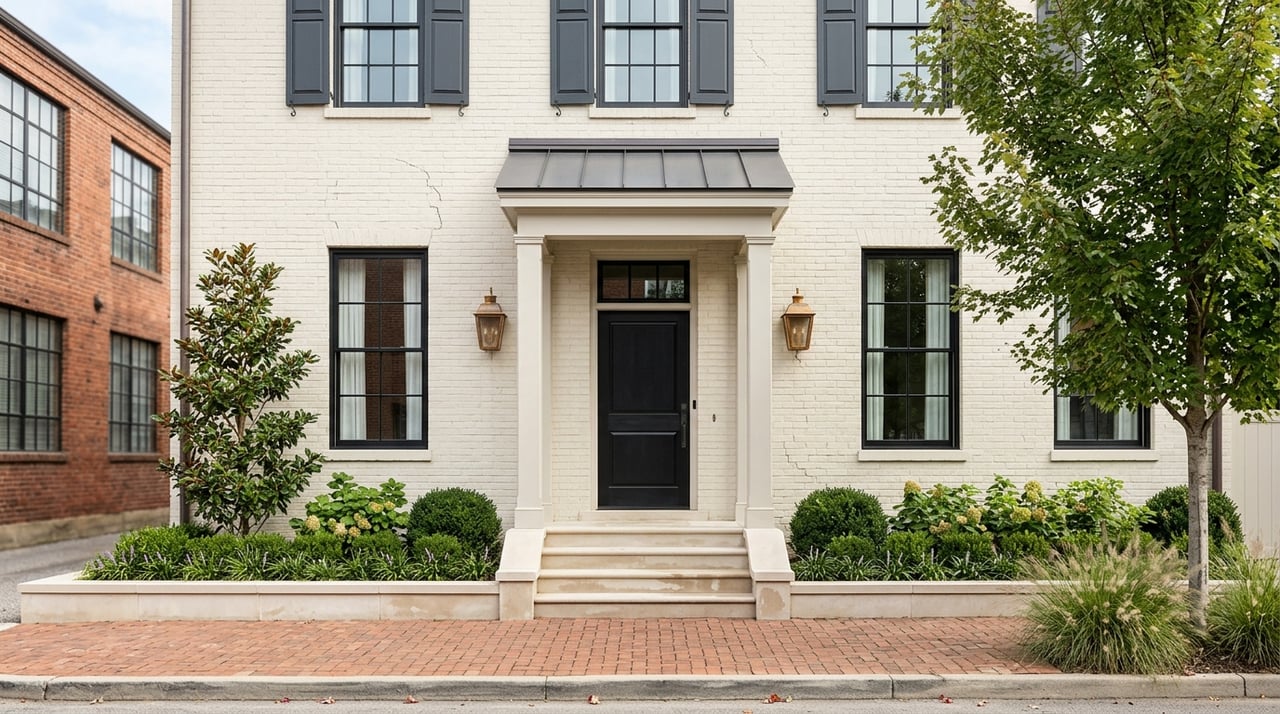
If you care as much about a home’s character as its address, Germantown and Salemtown deserve a closer look. These adjacent north-downtown Nashville neighborhoods offer two distinct ways to live close to the city, with historic architecture, walkable amenities, and a strong sense of place. If you are trying to decide where your design priorities fit best, this guide will help you compare the streetscape, housing stock, and everyday lifestyle in each area. Let’s dive in.
Why Germantown and Salemtown Stand Out
Germantown and Salemtown sit side by side just north of downtown Nashville, but they feel different once you are on the ground. Germantown is widely known for its historic district, brick sidewalks, and polished urban feel. Salemtown shares the same close-in location, but its identity is more rooted in simple historic house forms and neighborhood stewardship.
For design-minded buyers, that contrast matters. One neighborhood leans more into historic-urban density and destination walkability, while the other offers a quieter, house-focused setting with easy access to the same downtown core. Both can appeal to buyers who want thoughtful design and in-town convenience.
Germantown’s Historic Urban Appeal
Germantown is a few blocks northwest of downtown and has become one of Nashville’s most recognizable historic neighborhoods. Its modern revival dates back to the 1970s, and it was recognized as a Registered Historic District in 1979. The neighborhood association also describes it as a city arboretum with more than 100 tree species, which adds another layer of visual character.
Design-wise, Germantown offers a rich mix of building types. Metro’s historic guidelines describe structures dating from the 1840s through the 1920s and call the area one of Nashville’s most architecturally heterogeneous neighborhoods. That variety is part of what gives the streetscape its texture and why the neighborhood feels so layered.
The neighborhood’s later revitalization also shaped what you see today. Restored houses now sit alongside newer infill, multifamily buildings, restaurants, shops, and businesses. Add brick sidewalks and close proximity to downtown, and Germantown delivers a distinctly urban version of historic Nashville living.
What Design Lovers Notice First
In Germantown, details tend to reveal themselves block by block. You may notice preserved façades, mature trees, and a mix of old and new construction that still feels tied to the district’s historic framework. For buyers drawn to architecture, that blend can be especially appealing because it offers visual interest without losing neighborhood identity.
The area is also close to Bicentennial Capitol Mall State Park, the State Capitol, and downtown. According to Metro’s guidelines, much of this is within just a few steps or less than six blocks away. That near-downtown setting helps explain why Germantown feels both residential and connected.
Salemtown’s Simpler Historic Character
Salemtown sits just north of Germantown and downtown, and its appeal is often subtler at first glance. The neighborhood has a civic history shaped by local stewardship, with Salemtown Neighbors established in 2005 to beautify streetscapes, encourage community involvement, promote safety, and strengthen resident connections. That kind of organization often shows up in how a neighborhood feels over time.
Its historic story also runs deep. Fehr School opened in 1924 and became one of the first Nashville schools to desegregate on September 9, 1957. That history gives Salemtown an important place in the city’s broader story.
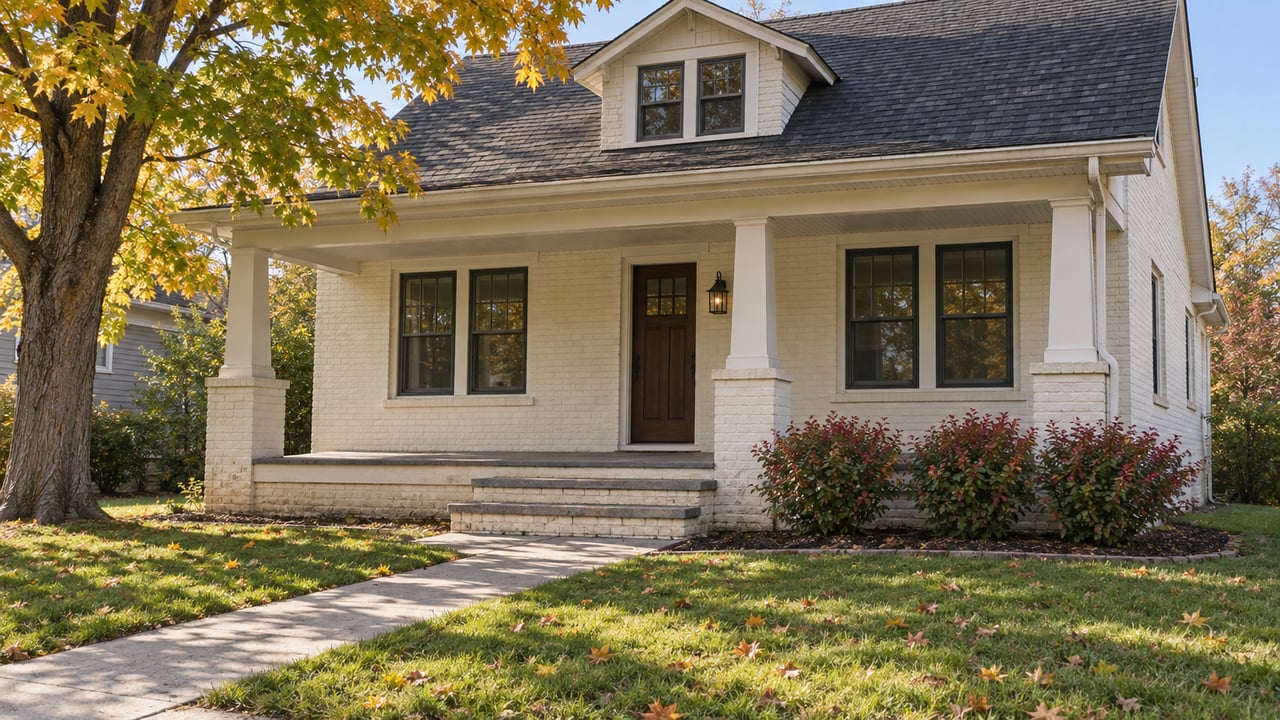
From an architectural point of view, Salemtown is especially interesting if you appreciate straightforward, classic house forms. Metro’s historic zoning materials describe shotgun houses, gabled-ells, side-gabled buildings, and hipped-roof bungalows, with examples of Italianate, Queen Anne, Colonial Revival, and Craftsman styles. Most historic dwellings are one or one-and-a-half stories, and the neighborhood’s period of significance runs from 1855 to 1945.
A More House-Centered Feel
Compared with Germantown, Salemtown feels more centered on individual homes and residential streets. If you are drawn to form, scale, and the charm of smaller historic dwellings, Salemtown may feel more intimate. It still benefits from close access to downtown and nearby Germantown amenities, but the visual story is less about dense mixed-use blocks and more about traditional neighborhood fabric.
That can make Salemtown especially attractive for buyers who want proximity without feeling like they are in the middle of a restaurant district. You still get urban access, but often with a softer residential rhythm.
How Walkability Compares
If walkability shapes your daily routine, Germantown has the edge based on current scores. Walk Score rates Germantown at 75 for walking, 50 for transit, and 72 for biking. Salemtown is rated 50 for walking, 39 for transit, and 62 for biking.
In practical terms, Germantown is more likely to support a leave-the-car-parked lifestyle. Salemtown is still close-in and connected, but it is less likely to cover every errand on foot. For many buyers, that difference comes down to whether you prioritize a highly pedestrian lifestyle or a quieter residential environment with nearby access.
Metro has also included both neighborhoods in its North Nashville Bikeways work since 2018. That effort is tied to nearly $3 million in Metro investment for projects designed for people of all ages and abilities. For buyers who value multimodal access, that is an important part of the long-term picture.
Dining, Culture, and Everyday Access
Germantown’s amenity base is one reason it draws so much attention. Visit Nashville describes it as a walkable historic neighborhood with baseball, brunch, bars, acclaimed restaurants, a Farmers’ Market, and museums. Current Germantown listings highlighted by Visit Nashville include Rolf and Daughters, 5th & Taylor, and Henrietta Red.
First Horizon Park, home of the Nashville Sounds, opened in 2015 in Germantown. Nearby, the Nashville Farmers’ Market at 900 Rosa L. Parks Blvd. operates daily from 8 a.m. to 8 p.m., and the Market House includes restaurants and shops. For many residents, that kind of amenity mix adds real value to everyday life.
The Tennessee State Museum sits next to the Farmers’ Market at Bicentennial Capitol Mall State Park and offers free admission. State materials describe the park as a 19-acre greenspace and point to the broader cluster of the park, museum, market, and Capitol as walkable destinations near downtown. If your idea of good design includes access to civic space and culture, this area checks a lot of boxes.
The neighborhood’s evolving built environment is also part of the story. The Neuhoff District reflects the reuse of an early-1900s meatpacking district and is positioned as a blend of Nashville’s past and future through retailers, restaurants, and creative culture. For design-conscious buyers, adaptive reuse like this often adds to a neighborhood’s sense of authenticity.
What Buyers Should Know About Historic Overlays
If you are considering Germantown, it is important to understand the practical side of preservation. Germantown sits inside a historic preservation overlay, and the Metro Historic Zoning Commission reviews exterior work and new construction. The overlay does not regulate use, but a preservation permit is required before a building permit for covered work.
That means exterior changes are not just cosmetic decisions. Metro’s guidelines note that compatibility reviews can include massing, setbacks, materials, porches, and related exterior features. For buyers who love historic neighborhoods, this review process can help protect the district’s character, but it is something you should understand before planning updates.
Salemtown also has historic zoning considerations, though they apply more selectively. Its Neighborhood Conservation Zoning Overlay covers only a portion of the larger neighborhood and was chosen because it contains a notable concentration of historic buildings. If you are looking at a specific property, understanding whether it falls within that overlay is an important step.
Which Neighborhood Fits Your Design Style?
If your ideal Nashville home includes preserved architecture, stronger walkability, brick sidewalks, and immediate access to dining and culture, Germantown may feel like the more natural fit. It offers a polished historic-urban experience that appeals to buyers who want design and convenience working together.
If you are more drawn to modest historic forms, residential streets, and a quieter architectural story, Salemtown may be the better match. Its appeal is less about buzz and more about texture, scale, and a close-knit neighborhood feel near the city core.
Neither choice is better across the board. The right fit depends on how you want to live, what type of home you are drawn to, and how much daily walkability matters to you.
A Smart Approach to Buying Here
In neighborhoods with this much architectural identity, buying well means looking beyond square footage and finishes. You also want to understand zoning overlays, exterior review requirements, block-by-block character, and how the built environment may affect future plans. That is where local guidance becomes especially valuable.
For design-driven buyers and sellers, the best opportunities are often the ones that balance aesthetics with practicality. A beautiful home is important, but so is knowing how the neighborhood works, what gives it value, and how to make a confident decision with the full picture in mind.
If you are exploring Germantown or Salemtown and want a thoughtful, design-savvy perspective on where to buy or how to position a home for sale, Stephanie Lowe can help you navigate these close-in Nashville neighborhoods with clarity and care.
FAQs
What is the difference between Germantown and Salemtown in Nashville?
- Germantown generally offers a more walkable, historic-urban environment with destination dining and mixed-use density, while Salemtown is more residential in feel with simpler historic house forms and close access to the same downtown area.
What types of homes are common in Salemtown Nashville?
- Salemtown’s historic zoning materials describe shotgun houses, gabled-ells, side-gabled buildings, hipped-roof bungalows, and examples of Italianate, Queen Anne, Colonial Revival, and Craftsman styles.
Is Germantown Nashville a historic district?
- Yes. Germantown is a recognized historic district, and exterior work and new construction within its preservation overlay are reviewed by the Metro Historic Zoning Commission.
How walkable is Germantown compared with Salemtown?
- Walk Score rates Germantown at 75 for walking and Salemtown at 50, which suggests Germantown is more supportive of a pedestrian-oriented lifestyle.
What amenities are near Germantown Nashville homes?
- Nearby amenities include First Horizon Park, the Nashville Farmers’ Market, Bicentennial Capitol Mall State Park, the Tennessee State Museum, restaurants, shops, and access to downtown Nashville.
Does Salemtown Nashville have historic overlay zoning?
- Yes, but only in part of the neighborhood. Salemtown’s Neighborhood Conservation Zoning Overlay covers a portion of the larger neighborhood where there is a notable concentration of historic buildings.