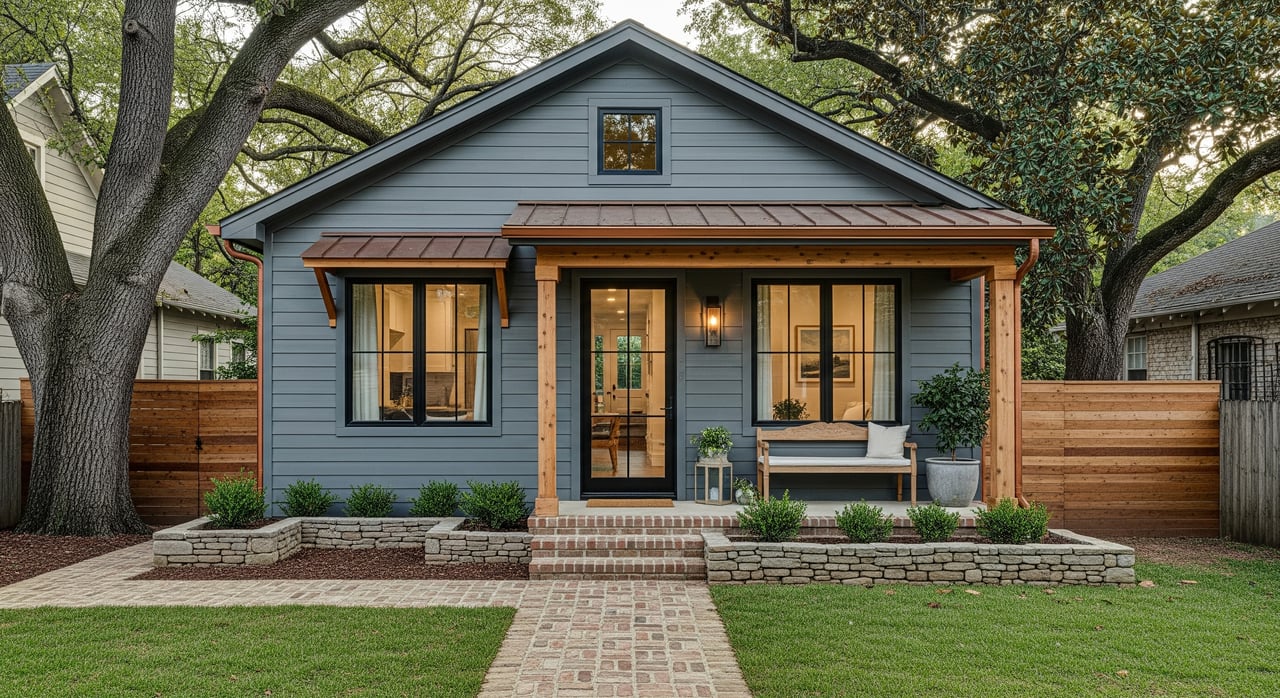
Thinking about a backyard cottage or garage apartment in Sylvan Park? You are not alone. Many homeowners want flexible space for family, guests, or steady rental income without leaving the neighborhood they love. In this guide, you will learn how ADUs work in Nashville, what to check first with Metro, smart design ideas for bungalow lots, and a simple path from idea to permit. Let’s dive in.
Quick fit check: is an ADU right for you?
Before you sketch plans, get clear on your goals and your lot.
- You want flexible space for family, guests, or a long-term tenant.
- You can handle upfront costs, including design, permits, and construction.
- Your lot can support an ADU without crowding, privacy loss, or tree removal issues.
- You are willing to follow Metro Nashville rules for zoning, permits, and rentals.
Benefits often include added living space, potential rental income, and future housing flexibility. Tradeoffs can include higher project costs, possible tax increases, parking impacts, and neighborhood compatibility concerns.
What counts as an ADU in Nashville
An accessory dwelling unit is a smaller, secondary home on the same lot as your main house. Common types include:
- Detached cottage in the backyard.
- Attached addition along the side or rear of the home.
- Internal unit like a finished basement or space above a garage.
- Garage conversion that turns an existing structure into living space.
ADUs typically include a separate entrance, a bathroom, and a kitchen or kitchenette. Some systems may be shared with the main house depending on code and utility rules.
What to verify with Metro first
Local rules control what you can build and how you can use it. Before you invest in drawings, confirm the following with Metro Nashville Planning and Codes.
- Zoning allowance. Ask if an ADU is allowed on your parcel and whether it is by right or needs a special review.
- ADU type. Confirm which forms are permitted in your zoning district, such as detached, attached, or internal.
- Owner occupancy. Clarify if the owner must live on site and how that is verified.
- Size and placement. Verify maximum unit size, height, setbacks, lot coverage, and any floor area limits.
- Parking. Ask how many off-street spaces, if any, are required or waived for ADUs.
- Utilities. Confirm rules for shared or separate meters and what is needed for water, sewer, electric, and gas.
- Fire and life safety. Discuss egress, smoke detectors, fire separation, and any special requirements.
- Fees and site controls. Ask about stormwater rules, tree protection, impact fees, and tap fees.
- Short-term rentals. If you are considering short-term rentals, review Nashville’s STR licensing and restrictions.
- Historic or design overlays. If your property sits within an overlay, you may need design review and approval.
If possible, request a written zoning clearance or similar documentation. A written confirmation reduces risk before you spend on final design.
First calls and documents to gather
- Metro Planning and Codes for zoning verification and permitting steps.
- Historic Zoning Commission if your lot is within a historic overlay.
- Davidson County Assessor for property assessment questions.
- Utility providers for meter, capacity, and connection rules.
- Any HOA or deed restrictions that govern secondary units or rentals.
Collect your survey, site plan if available, and a few photos of the lot and existing structures before meeting with Metro or a designer.
Permitting steps in Nashville
Most projects follow a similar path. Timelines vary based on scope and review queues.
- Pre-application conversation with Metro Planning or Codes to confirm feasibility.
- Zoning check to confirm compliance or route to a variance if needed.
- Prepare site plan and building drawings with an architect or qualified designer.
- Submit building permit application with plans and supporting documents.
- Plan review and responses to comments from zoning, building, and trade reviewers.
- Permit issuance, contractor mobilization, and in-progress inspections.
- Final inspection and occupancy sign-off.
Design tips for Sylvan Park homes
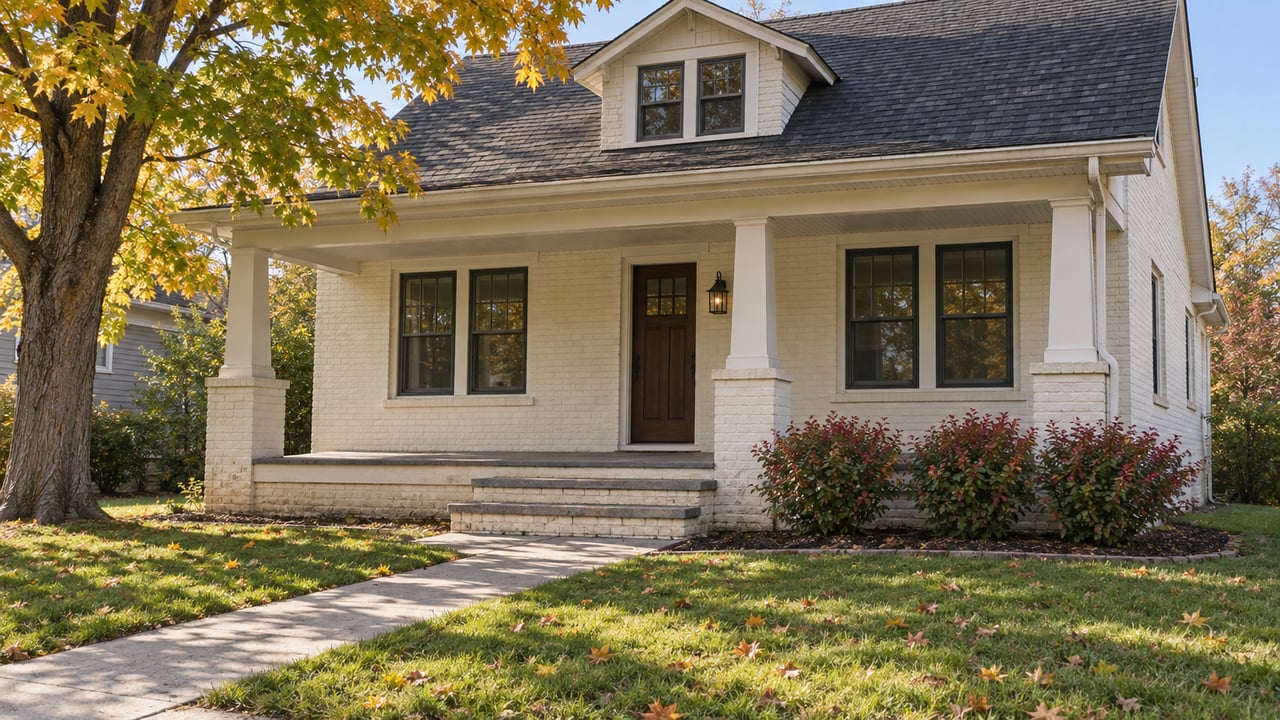
Sylvan Park’s charm comes from modest bungalows, tree canopy, and a strong street rhythm. A well-designed ADU should feel secondary, compatible, and considerate of neighbors.
Keep scale subordinate
Keep the ridge height lower than the main house. Use a smaller footprint and simple massing so the ADU clearly reads as an accessory building.
Roofs, materials, and entries
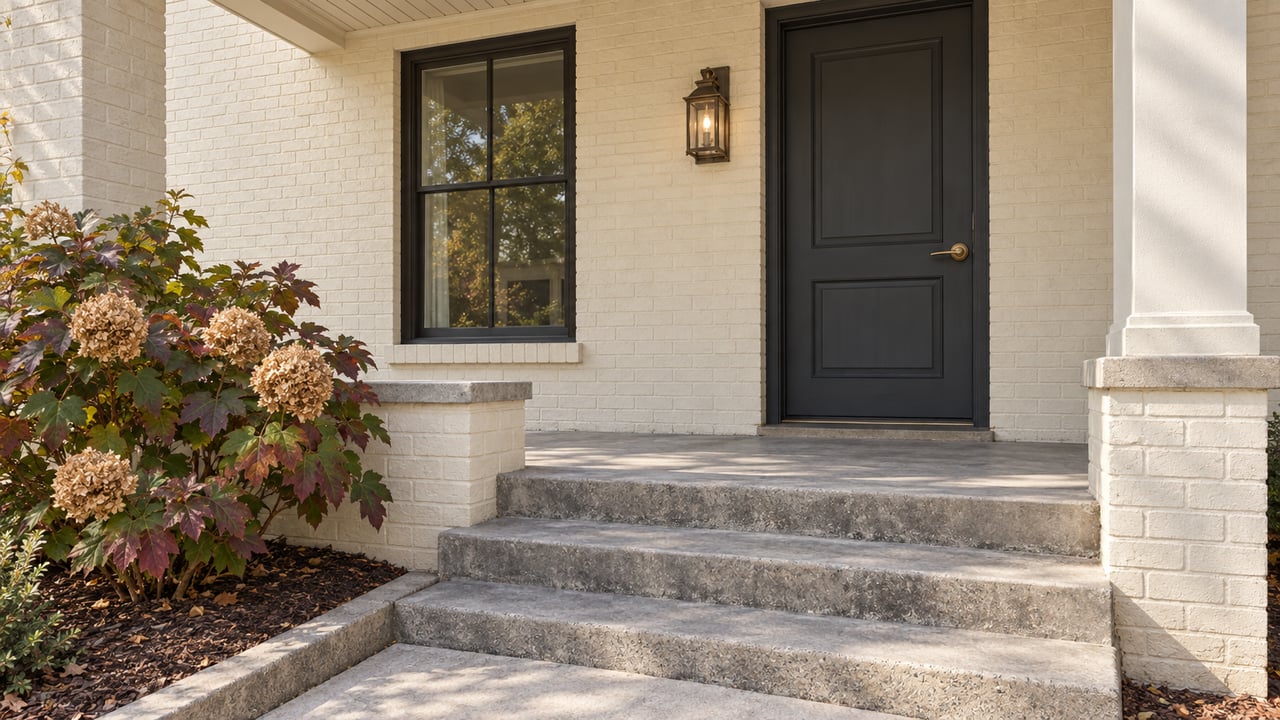
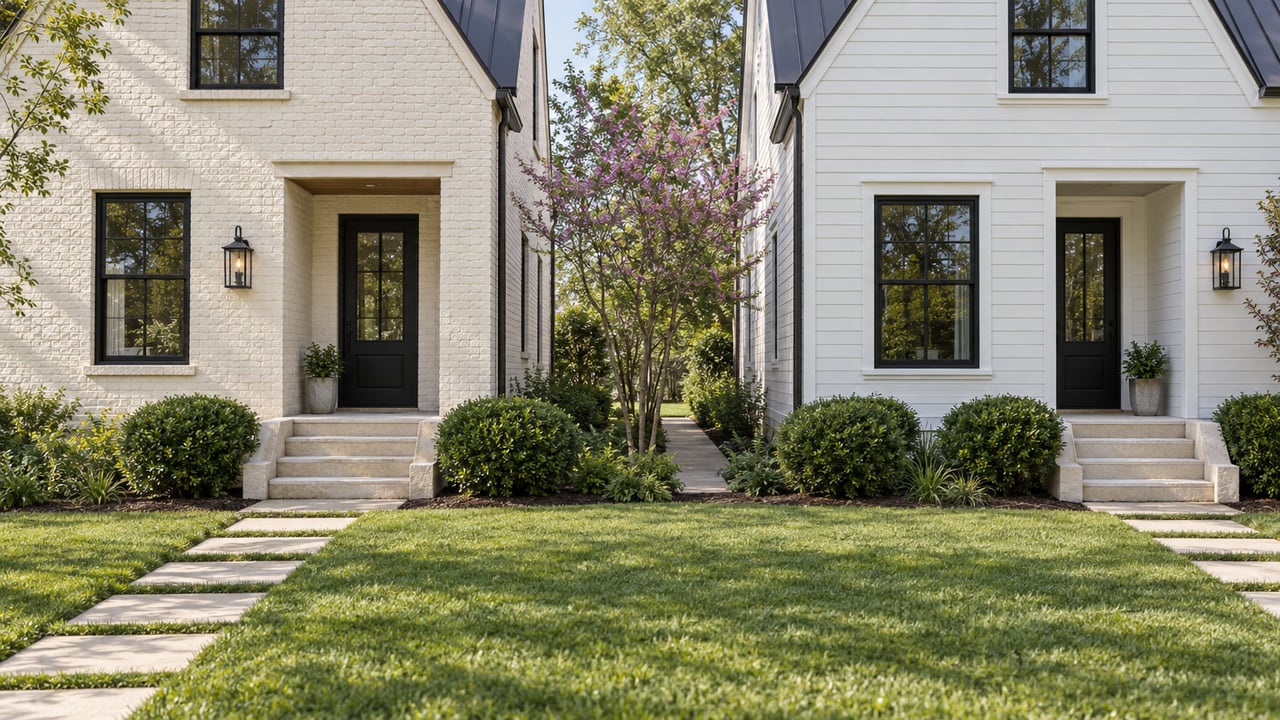
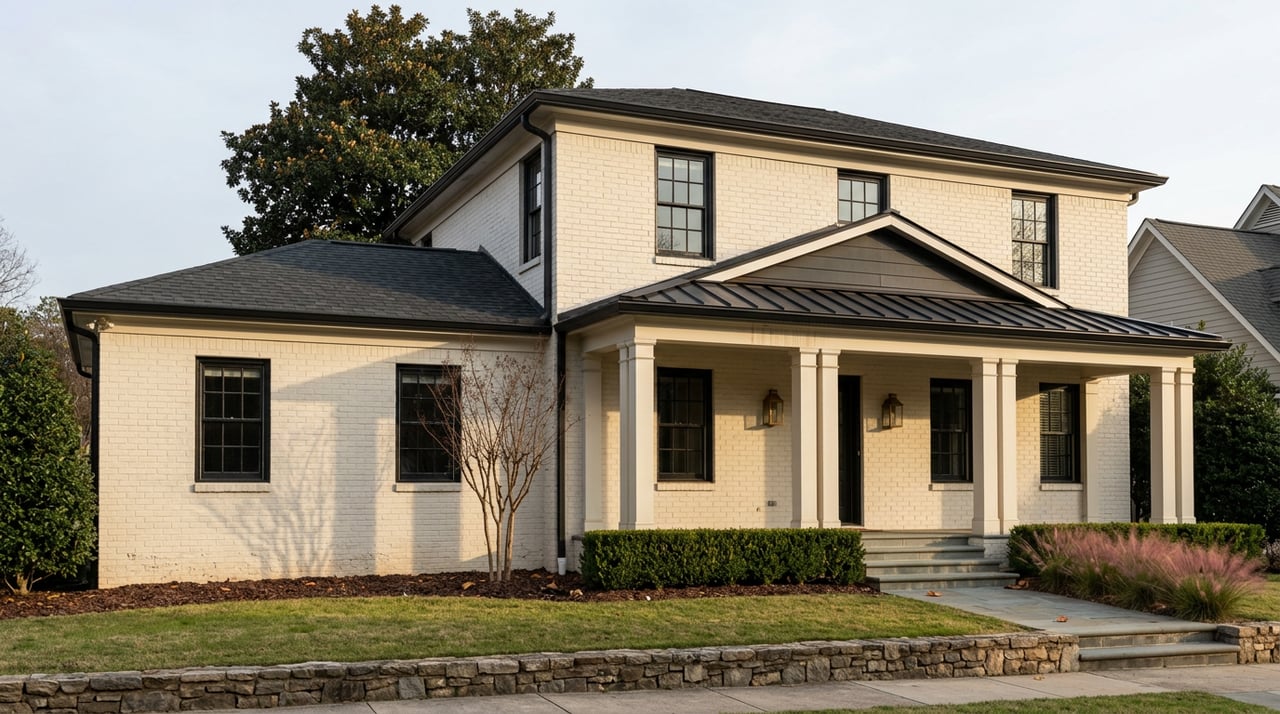
Reference roof forms common to the block, like gables or hips. Choose compatible siding such as lap or wood-look fiber cement and similar window proportions. A small stoop or porch helps the entry feel neighborly and residential.
Siting and privacy
Place detached units toward the rear with side-drive or alley access where possible. Use landscaping, fences, and window placement to protect sightlines and reduce noise and light spill.
Accessibility and aging in place
If you plan for multi-generational living, design for ease now and later. Aim for a zero-step entry if site grading allows, wider door clearances, a ground-floor bedroom and full bath, and blocking in walls for future grab bars.
Sustainability and systems
Prioritize good insulation, efficient HVAC, and window sizing for comfort. Manage stormwater per code and keep permeable surfaces where you can. Decide early whether utilities will be shared with the main house or separately metered, since that choice can affect permitting and cost.
Choosing an ADU type for cottage lots
Each option carries different cost and design impacts.
- Garage conversion. Often the most cost-effective and least disruptive to the yard. Review structural capacity and utility upgrades.
- Detached rear cottage. Offers privacy and flexible use. Requires careful placement for setbacks, trees, and access.
- Attached addition. Efficient for shared systems but must be scaled and detailed to avoid overwhelming the bungalow.
- Interior or basement unit. Preserves exterior character but needs careful attention to ceiling height, egress, light, and moisture.
Budget, financing, and timeline
Costs and key drivers
Costs vary widely. The biggest drivers include ADU type, size, level of finish, site complexity, tree protection, foundation needs, and utility connections. Build in a contingency for unknown conditions and code upgrades.
Soft costs and fees
Plan for design and engineering, permit and review fees, any impact or tap fees, and possible historic review costs.
Financing options
Homeowners often mix cash with financing. Common routes include construction loans, HELOCs, and renovation loans where eligible. Ask lenders how they treat ADU projects, how potential rental income is considered, and how the loan-to-value is calculated.
Typical timeline
- Research and pre-consult with Metro: 2 to 4 weeks.
- Design and drawings: 4 to 12 or more weeks based on complexity and availability.
- Permit review: a few weeks to several months, depending on queue and approvals.
- Construction: about 2 to 4 months for small conversions, 4 to 8 or more months for detached cottages.
Your actual timeline depends on site conditions, reviews, weather, and contractor scheduling.
Rentals, taxes, and insurance
Adding an ADU can increase your assessed value and property taxes. Confirm details with the Davidson County Assessor. If you plan to rent, ask your insurer about coverage for a rental unit or accessory apartment. For short-term rentals, review Nashville’s STR rules and licensing before you host a guest.
Neighbor engagement that works
Good communication can smooth the process.
- Share your concept early and show how the ADU’s scale and style match the block.
- Address privacy with window placement, fencing, and landscape buffers.
- Explain parking and access plans to reduce concerns.
- If your project needs variances or design review, consider organized outreach.
Your next steps
- Confirm your zoning and any overlays with Metro Planning and Codes. Ask for written zoning clearance if available.
- Contact utility providers to understand meter options and connection requirements.
- If you are in a historic overlay, speak with the Historic Zoning Commission about design review.
- Interview architects or designers with ADU experience on bungalow lots. Gather at least two contractor estimates.
- Align on budget, financing, and timeline. Build in contingency.
- Prepare drawings and submit for permits. Answer review comments promptly.
- Communicate with neighbors and keep a clean, safe job site through construction.
Considering an ADU as part of a bigger plan for your Sylvan Park property? If you want a design-forward approach and a realistic path from concept to completion, connect with Stephanie Lowe for a neighborhood-savvy consultation.
FAQs
Can I build an ADU on my Sylvan Park property?
- It depends on your parcel’s zoning district and any overlays. Confirm with Metro Planning and Codes and request written zoning clearance if possible.
How big can an ADU be in Nashville?
- Maximum size, height, and setbacks are defined in the local zoning code. Verify the specific limits for your parcel with Metro before you design.
Do I need a separate utility meter for an ADU?
- Metering rules vary by utility and project type. Ask each provider early since separate meters and new taps can affect costs and approvals.
Can I rent my ADU as a short-term rental in Sylvan Park?
- Nashville has specific short-term rental regulations and licensing. Confirm eligibility and requirements with Metro Codes before planning STR use.
Will an ADU raise my property taxes in Davidson County?
- Adding finished living space typically increases assessed value. Contact the Davidson County Assessor to understand how your project may be evaluated.
What kind of parking is required for an ADU?
- Some zoning districts require off-street parking for ADUs while others offer waivers. Check your parcel’s parking requirements with Metro Planning.
Do historic overlays affect ADU design in Sylvan Park?
- If your property is within a historic overlay, design review and approval may apply. Confirm the process and any design standards with the Historic Zoning Commission.