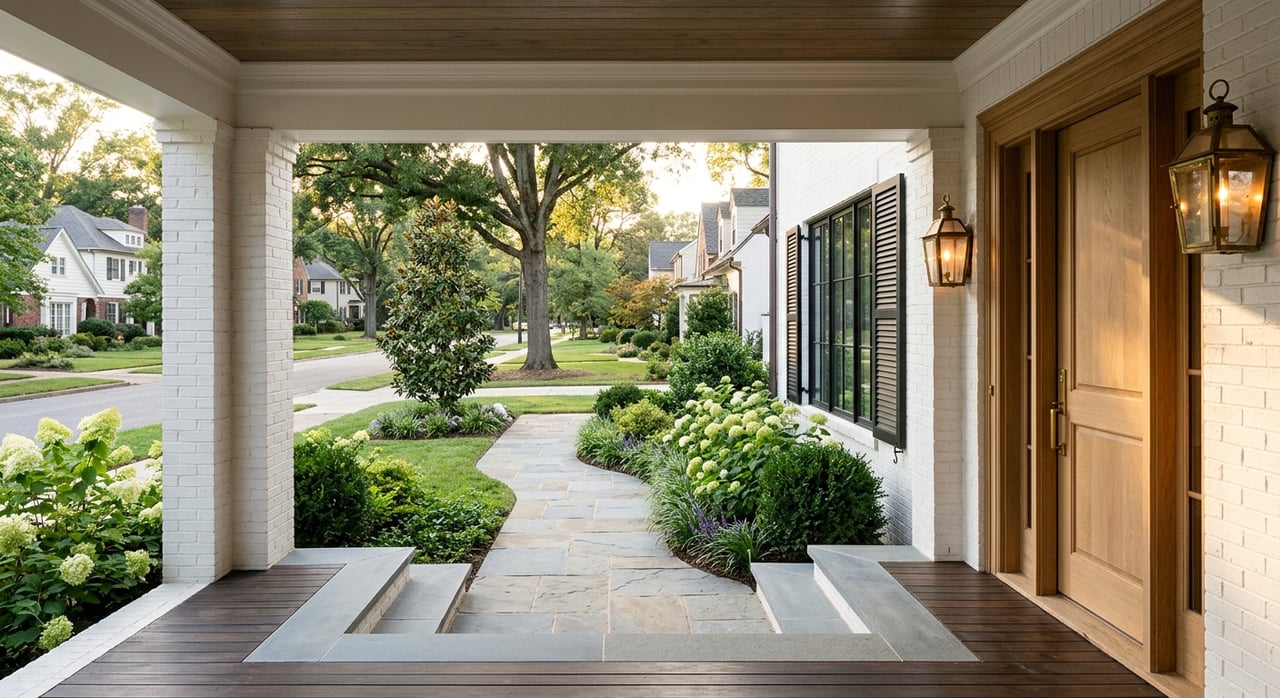
If you are looking for a Nashville neighborhood that feels active, close-in, and full of local character, 12 South is usually high on the list. You may already know it for its popular retail corridor, but daily life here is also shaped by a major park, historic homes, and an easy in-town rhythm. This guide will help you understand what 12 South feels like, how the housing stock has evolved, and what practical tradeoffs to expect if you want to live here. Let’s dive in.
What defines 12 South
12 South is commonly described by the 12 South Neighborhood Association as the blocks adjacent to 12th Avenue South between Wedgewood Avenue and Gale Lane. That close-in footprint helps explain why the neighborhood feels both compact and distinct.
Its identity comes from a mix of old and new. Sevier Park anchors the area, while the commercial stretch along 12th Avenue South brings together local retail, dining, and everyday activity beside a historic residential fabric.
Sevier Park shapes daily life
Sevier Park is one of the biggest reasons 12 South feels like more than a shopping district. The park sits on the former Sunnyside estate, and Nashville notes that Sevier Park opened on the Sunnyside property in 1948. Sunnyside was restored in 2004, and a new community center opened in 2014.
Today, the Sevier Park Community Center offers a gymnasium, an upper-level walking track, a fitness center, meeting space, playgrounds, and youth programming. For many residents, that creates a built-in place for exercise, recreation, and day-to-day routine.
This park-centered layout gives the neighborhood a grounded feel. Even with busy commercial activity nearby, Sevier Park adds open space and a civic anchor that supports how people use the area throughout the week.
The 12 South corridor feels lively
The retail corridor is central to the neighborhood’s pace and personality. A typical day in 12 South can mean coffee or brunch on the avenue, time in the park, a stop at local shops, and an evening out without needing to leave the neighborhood core.
The 12 South Farmers Market adds to that rhythm. Its current schedule is a weekly Tuesday afternoon market from May through October at Sevier Park, with live music and food trucks.
The neighborhood association also plays a visible role in the area’s character. It supports community, beautification, public safety, environmental conservation, historic preservation, and appropriate development, with neighborhood funds helping support tree planting, events, and improvements.
Getting around 12 South
One reason 12 South stays in high demand is its close-in location. Metro describes 12th Avenue South as a major commuting route between the Gulch and 12 South, serving drivers, bus riders, and bicyclists.
That matters because the corridor is not standing still. Current improvements include protected bike lanes, bus-stop upgrades, safer crossings, and repaving, all aimed at making the route work better for different kinds of users.
For you as a buyer, the practical takeaway is simple. 12 South offers an in-town lifestyle with a walkable core and strong day-to-day convenience, but it is still shaped by corridor traffic and activity.
Housing styles in 12 South
12 South is not a one-style neighborhood. The housing stock reflects several eras of development, which is part of what gives the area its visual depth.
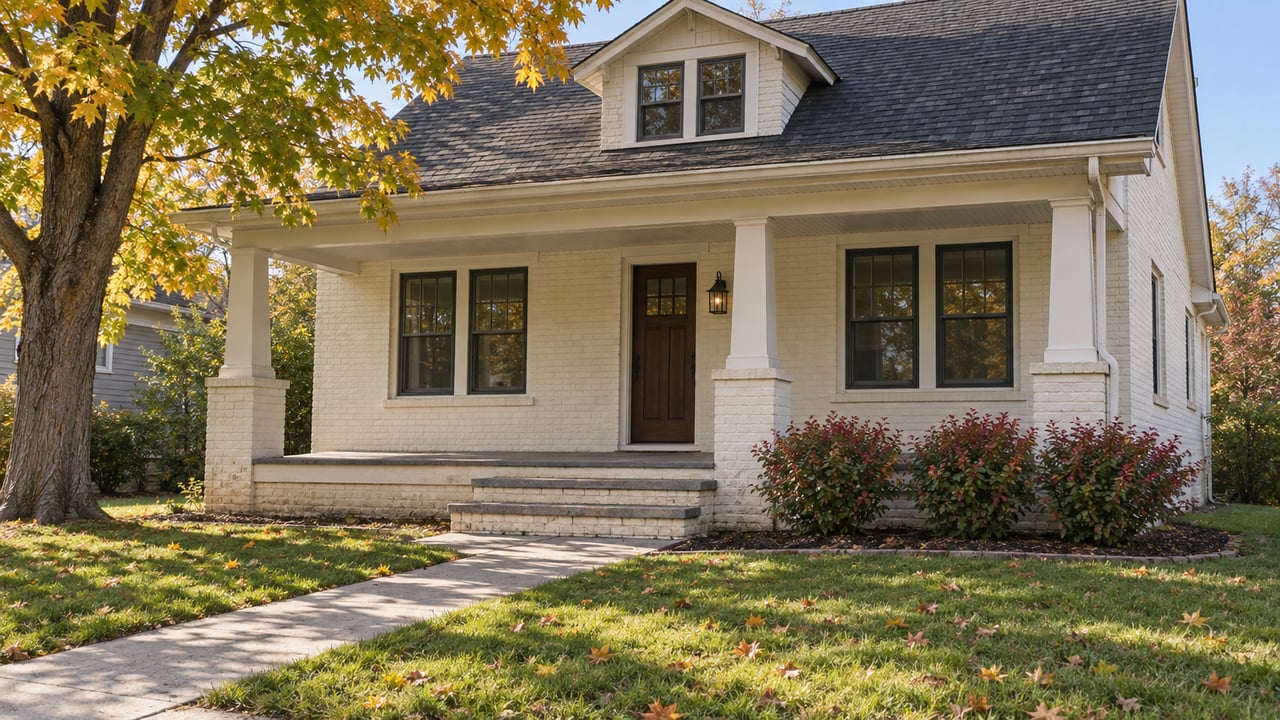
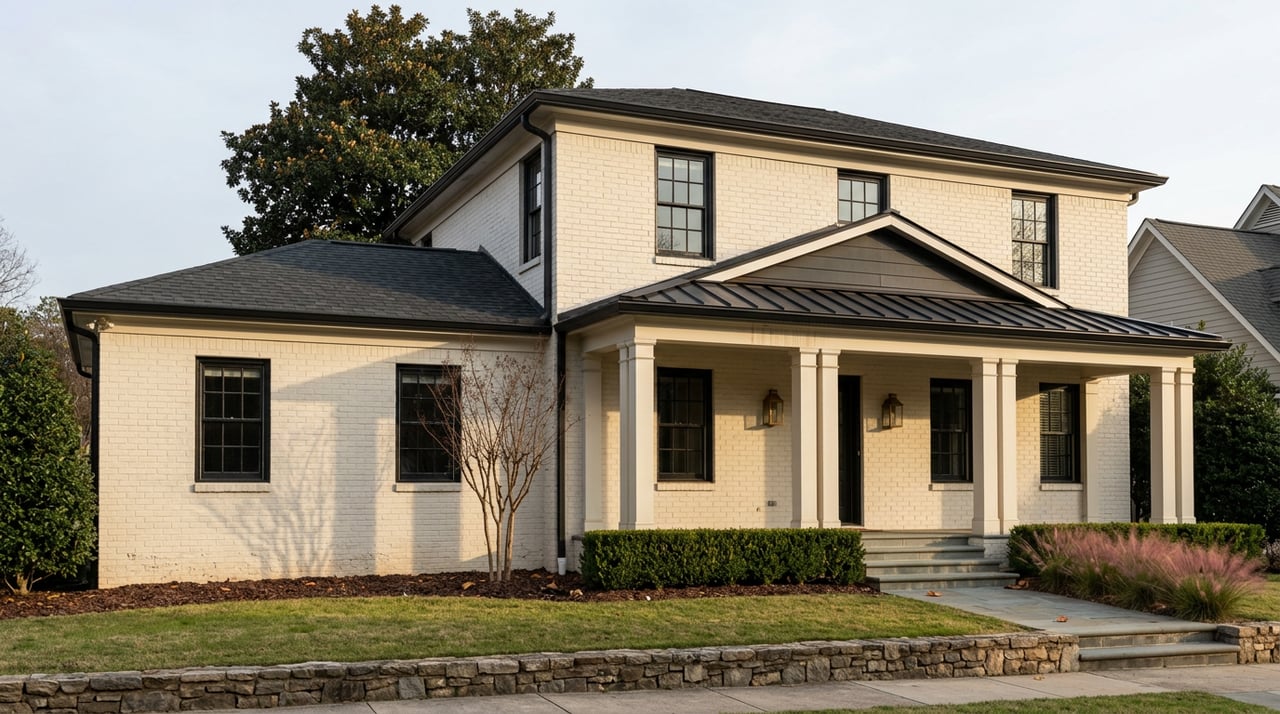
The neighborhood association describes pre-1900 homes, Victorian and Foursquare houses on Caruthers Avenue, and early 20th-century subdivision growth tied to a streetcar line. Metro planning materials also point to bungalows, cottages, and other early suburban house forms that still shape the surrounding street pattern.
That means your home search here may include very different options within a relatively small area. Some streets lean more historic in feel, while others show a stronger mix of updated homes and newer construction.
Historic homes and streetcar roots
If you appreciate original architecture, 12 South has a meaningful historic layer. Older homes and established streets help preserve a sense of neighborhood continuity even as the commercial corridor continues to evolve.
This history is not just visual. It affects lot patterns, scale, and the way homes relate to the street, which can make parts of 12 South feel more intimate than newer suburban-style developments.
Renovations and newer infill
Metro planning documents say new residential construction resumed around 2005. They also note that high-density mixed-use development has continued along 12th Avenue South, while a historic neighborhood remains just behind the commercial strip.
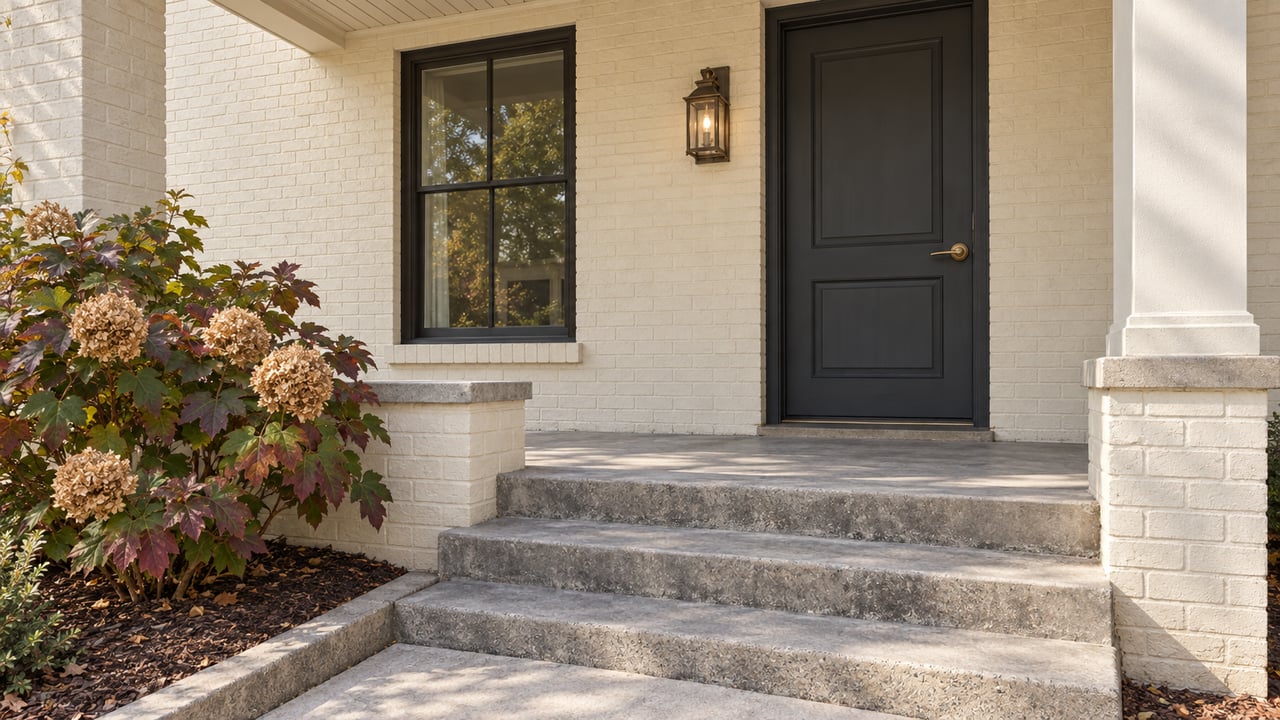
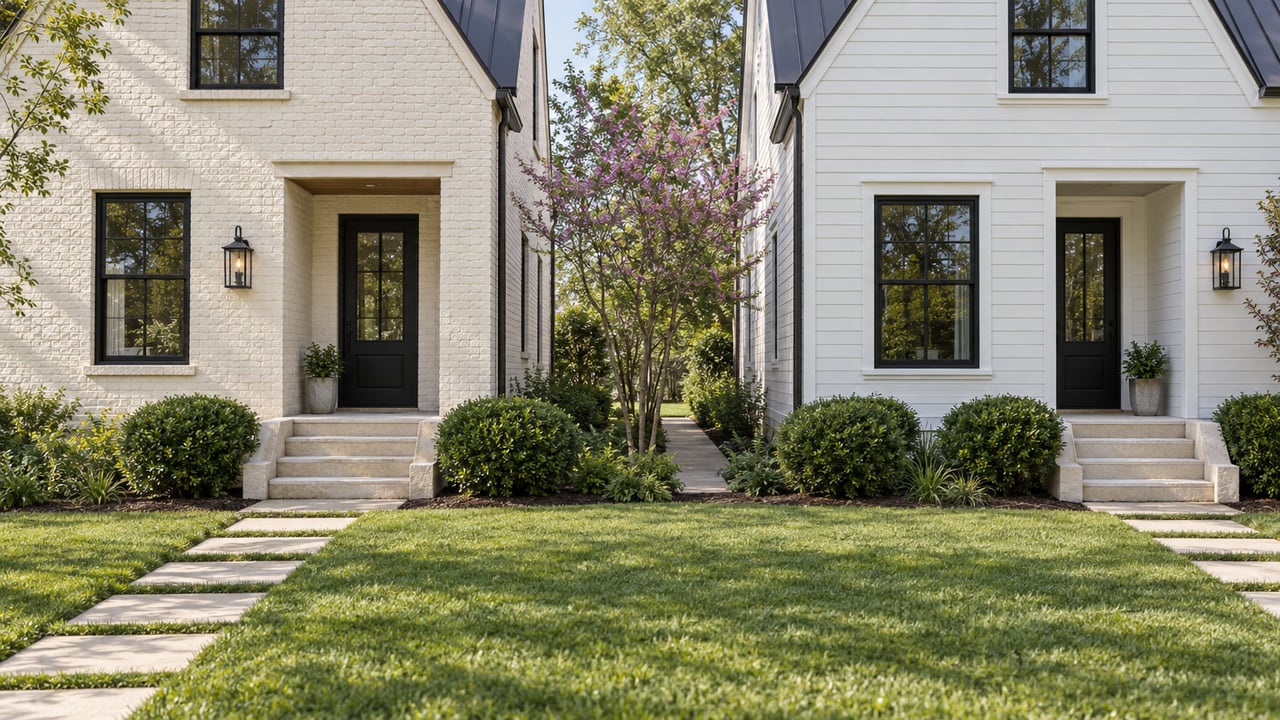
In practical terms, 12 South is a layered neighborhood where historic homes, major renovations, and newer infill all coexist. If you value design and want an in-town home that feels polished and move-in ready, this mix is part of the area’s appeal.
For buyers considering newer or extensively updated homes, 12 South often stands out because you can find modern living spaces within a neighborhood that still has a strong sense of place. That combination is a big part of its long-term draw.
Preservation matters here
If you are buying or selling in 12 South, it is smart to understand the preservation context before making plans for exterior changes. Nashville explains that historic overlays use design review to protect neighborhood character without changing the property’s underlying use.
The city also lists Waverly-Belmont among its Neighborhood Conservation Zoning Overlay districts. Because overlay status is parcel-specific, the best next step is to verify a property’s status before assuming a standard remodel or addition process.
This is especially important in a neighborhood where historic character is part of the value story. Buyers and sellers alike benefit from knowing how design review may shape future exterior work.
Who tends to live in 12 South
Because 12 South is an informal neighborhood rather than a formal census boundary, ZIP code data is only a proxy. Still, the surrounding numbers help paint a useful picture of the area.
In ZIP code 37204, the median age is 30.8, median household income is $109,580, and 77.2% of adults have a bachelor’s degree or higher. In 37212, the median age is 23.3, median household income is $95,145, and 78.6% of adults have a bachelor’s degree or higher.
Those surrounding ZIPs also show high owner-occupied housing values, at about $907,500 in 37204 and $963,800 in 37212. Mean commute times are relatively short at 17.4 minutes in 37204 and 16.9 minutes in 37212, compared with 27.8 minutes for the broader metro area.
The broad takeaway is that 12 South tends to attract people who want an in-town lifestyle with strong neighborhood identity and close access to daily amenities. The nearby data suggests a mix of professionals, couples, younger households near the Belmont side, and more established owner-occupants in the residential blocks.
The tradeoffs to know before you buy
Every popular in-town neighborhood comes with tradeoffs, and 12 South is no exception. The upside is clear: proximity, walkability in the core, a strong park presence, local retail, and a neighborhood feel that is hard to replicate.
The tradeoffs are just as important to understand. This is a high-demand area, and the same energy that makes it appealing can also mean more traffic, more activity, and less of the large-lot quiet you may find farther from the urban core.
If your priorities center on design, convenience, and an active routine, 12 South often checks the right boxes. If you want maximum separation from traffic and density, you may want to weigh that carefully against the benefits of the location.
Why 12 South stays popular
12 South continues to stand out because it offers a lifestyle that feels both curated and practical. You have a recognizable neighborhood core, a major park, historic character, and a transportation corridor that keeps improving.
It is also a place with visual variety. Historic homes, cottages, bungalows, renovations, and newer infill all play a role in the neighborhood’s identity, which gives buyers more than one path into the market.
For many people, that is the sweet spot. You get a neighborhood with real history and day-to-day function, not just a convenient address.
If you are considering a move in 12 South, the details matter. From architectural character to overlay considerations to the subtle differences between blocks, working with a local expert can help you find the right fit and move forward with confidence. If you are ready to talk through homes, timing, or what makes one 12 South property stand out from another, connect with Stephanie Lowe.
FAQs
What is 12 South in Nashville known for?
- 12 South is known for its retail corridor along 12th Avenue South, Sevier Park, the seasonal farmers market, and a mix of historic homes and newer infill in a close-in Nashville setting.
What park serves the 12 South neighborhood?
- Sevier Park serves as the neighborhood anchor, and its community center includes a gymnasium, walking track, fitness center, meeting space, playgrounds, and youth programming.
What types of homes are in 12 South Nashville?
- 12 South includes pre-1900 homes, Victorian and Foursquare houses, bungalows, cottages, renovated properties, and newer infill homes.
Is 12 South Nashville walkable?
- The neighborhood core is widely valued for its in-town convenience and day-to-day accessibility, especially around the corridor, park, and local retail areas.
Are there historic overlay considerations in 12 South?
- Yes, some properties may be affected by historic or conservation overlay rules, so it is important to verify parcel-specific status before planning exterior changes or additions.
What is the 12 South Farmers Market schedule?
- The 12 South Farmers Market is held on Tuesday afternoons from May through October at Sevier Park, with live music and food trucks.