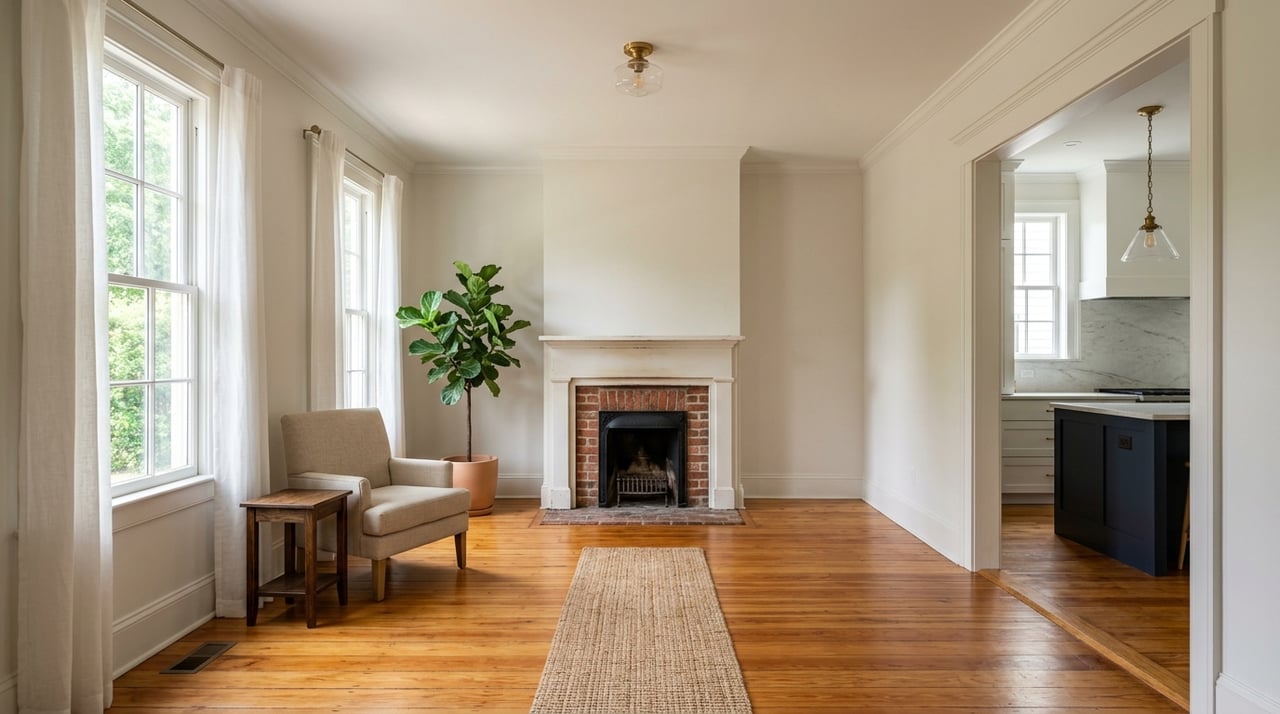
Trying to choose between a historic home and new construction in Germantown or nearby Salemtown? It is a common question, and the answer is rarely just about style. You are weighing character, maintenance, renovation rules, pricing, and how much day-to-day predictability you want after closing. This guide will help you compare both paths so you can move forward with more clarity and confidence. Let’s dive in.
Why This Decision Matters Here
Germantown and Salemtown are not one-note neighborhoods. In this part of North Nashville, older housing stock, preservation overlays, and newer infill all exist side by side. Germantown was designated a National Register Historic District in 1979, and Salemtown’s historic context includes housing types such as shotguns, gabled-ells, bungalows, and duplexes dating to a period of significance from 1855 to 1945, according to Metro Nashville historic preservation resources.
That mix creates real options for buyers. You may find an older home with original materials and strong architectural personality, or a newer townhome or rowhome designed to fit the surrounding context. In the same submarket, product and price can vary widely depending on age, design, location, and condition.
Historic Homes in Germantown and Salemtown
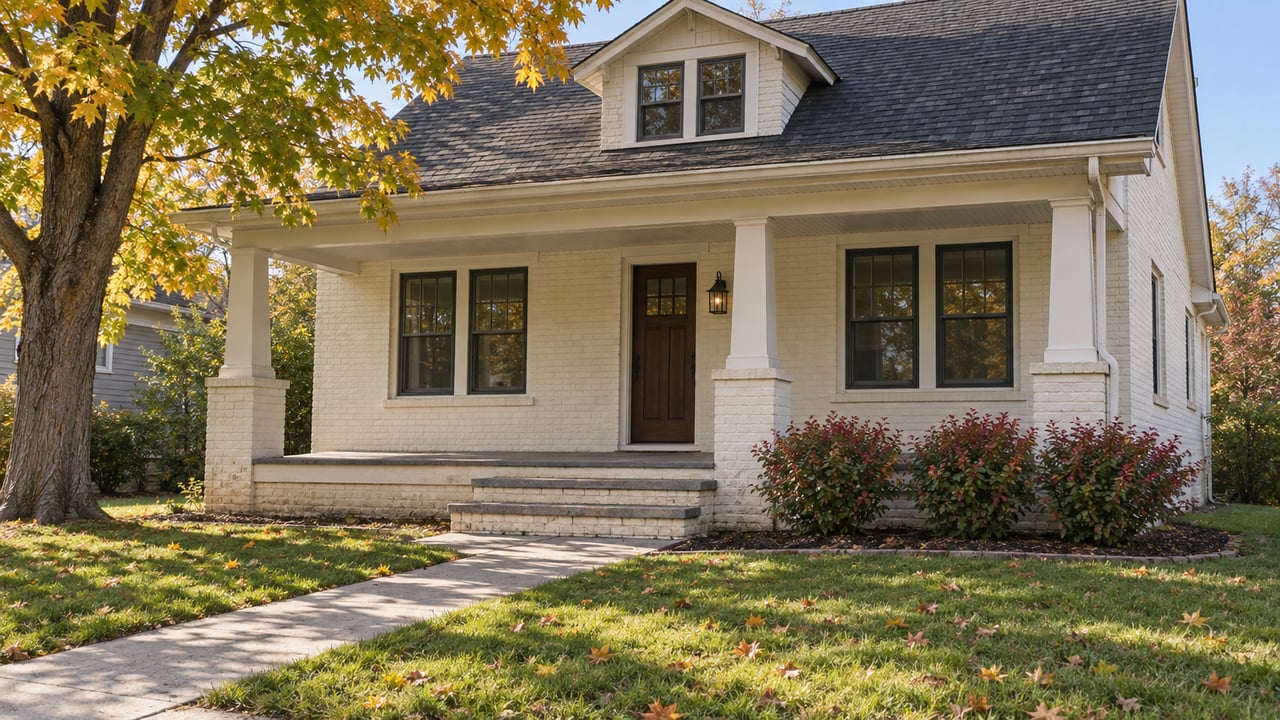
Historic homes often appeal to buyers who want texture, detail, and a sense of place that newer homes can struggle to replicate. In Germantown and Salemtown, that can mean older facades, established block patterns, and architectural forms that connect directly to the neighborhood’s history.
That appeal is real, but so is the added complexity. If you are considering a historic property, it helps to think beyond curb appeal and focus on ownership experience.
What Buyers Often Love
Historic homes can offer benefits that are hard to duplicate in brand-new construction:
- Original architectural character
- Established streetscapes and block rhythm
- Scarcity that can support long-term demand
- A distinct sense of neighborhood identity
For many buyers, those qualities are the point. You are not just buying square footage. You are buying into a home that may feel more layered, more specific, and more tied to its setting.
What Buyers Need to Watch Closely
Older homes usually require more due diligence before you close. Age alone does not mean a house has major problems, but it does increase the chances that you will need to evaluate materials, systems, and future upgrades more carefully.
One major example is lead-based paint. The EPA notes that the older the home, the more likely it contains lead-based paint, including 87% of homes built before 1940. For paid renovation work in pre-1978 homes, contractors must follow lead-safe rules.
Energy performance can also be different in older homes. The U.S. Department of Energy says many older homes have less insulation than homes built today, and the National Park Service has identified air leakage around windows and doors plus insulation work in attics and walls as common rehab energy issues. That does not mean an older home cannot be comfortable. It means you should budget with open eyes.
Historic Overlay Rules Can Change the Process
One of the biggest practical differences in Germantown and Salemtown is not style. It is regulation.
In Nashville, historic zoning is an overlay, not a change in use. As Metro explains, the overlay typically does not change what a property may be used for, but it does add design review for exterior work, additions, demolition, relocation, and setback determinations. That means a home in an overlay may not be remodeled as freely as a similar home outside one.
This is why parcel-level verification matters. You should confirm whether a specific property is within a historic overlay before assuming you can replace windows, alter the exterior, build an addition, or change the roofline on your preferred timeline.
What Renovation Review Can Involve
If you plan to improve a historic home, the review process can add time and decision points. According to Metro’s inspection guidance, once a Preservation Permit is issued, inspections and additional reviews may be required. Common review points include windows, doors, and roofing materials, and inspections can happen at several stages such as foundation, framing, final, and partial demolition.
Work done without approval can lead to stop-work orders, violation notices, or citations. For buyers, the message is simple: if your vision includes meaningful exterior changes, review the process before you buy, not after.
What New Construction Offers
New construction in Germantown and Salemtown often attracts buyers who want a more predictable near-term maintenance profile, more current layouts, and fewer immediate upgrade projects. In these neighborhoods, newer homes are not just generic replacements. They are typically shaped by design rules meant to respect the surrounding context.
That matters if you love the area’s feel but do not want the same level of repair or renovation uncertainty that can come with an older property.
New Infill Still Has Design Standards
In Germantown, new construction can be contemporary, but it must fit the district’s historic context. The Germantown design guidelines say compatibility is judged by factors like height, scale, setback, materials, roof shape, orientation, and the rhythm of openings.
Salemtown has similarly specific guidance. Its infill standards note that primary buildings should not exceed 35 feet in height and recognize porch forms such as front, side, wrap-around, and cut-away porches because they are common in the district, according to Salemtown design guidance.
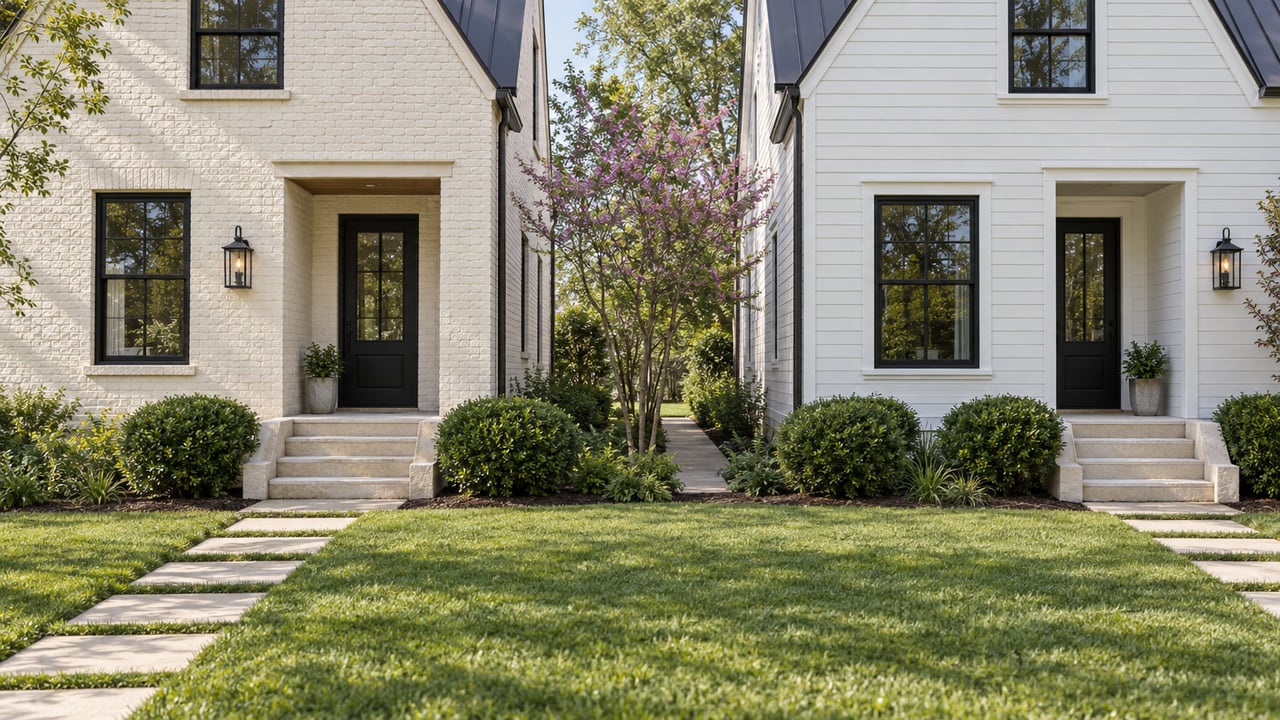
The practical takeaway is encouraging. New construction here is expected to complement the historic setting rather than imitate it exactly. That often leads to homes that feel cleaner and more current while still sitting comfortably on the block.
Why New Builds Can Feel More Predictable
For larger infill projects, Metro’s process is often architect-led. Preservation applications commonly include site plans, facade elevations, floor plans, material details, and manufacturer information, and pre-application review is encouraged for sizable additions and infill. Well-prepared, pre-approved projects may receive permits in about four days.
For you as a buyer, that front-end work can translate into a more streamlined ownership experience. While no home is maintenance-free, a newer property may reduce the likelihood of immediate repairs, insulation upgrades, or older-material concerns right after move-in.
Price Points and Market Context
Price is part of this decision, but it is best viewed through the lens of product type and scarcity. In these neighborhoods, a historic cottage, a renovated older home, and a newly built luxury townhome may all sit within the same general area while serving very different buyer priorities.
Recent data suggests Salemtown is currently the higher-priced submarket on a typical-value basis, though the sample sizes are small. In February 2026, Redfin reported a median sale price of $920,000 in Germantown and $1,137,500 in Salemtown, based on limited sales counts. Zillow’s March 2026 neighborhood value data also points in the same general direction, with Salemtown showing a higher typical value than the Germantown Nashville neighborhood.
Current listing examples show the wide spread in new-construction pricing alone. In Salemtown, recently available townhome inventory has included a 2024-built 2-bedroom, 3-bath home with 2,482 square feet at $897,500, along with higher-end options above $1.49 million and $2.44 million. Germantown examples have included a 2022 rowhome at $1.175 million and a 2024 townhouse at $2.7 million, based on active listing snapshots.
Historic vs. New Construction at a Glance
If you are deciding between the two, this side-by-side view can help:
| Factor | Historic Home | New Construction |
|---|---|---|
| Character | Often offers original materials and architectural detail | Usually offers cleaner lines and more contemporary finishes |
| Maintenance | May require more repair planning and system updates | Often offers a more predictable near-term maintenance profile |
| Renovation flexibility | Can be limited by overlay review for exterior changes | Still may follow design standards, but often starts with modern systems and layouts |
| Energy efficiency | May need insulation or air sealing improvements | Typically benefits from newer construction standards |
| Buyer fit | Often works well for buyers who value character and can plan for upgrades | Often works well for buyers who want turnkey convenience and fewer early projects |
Which Option Fits Your Priorities?
There is no universal winner here. The better choice depends on how you want to live, what projects you are willing to manage, and how much certainty you want in the first few years of ownership.
A historic home may be the better fit if you:
- Prioritize original character and architectural personality
- Are comfortable with added inspection and renovation diligence
- Can budget for repairs, efficiency work, or lead-safe renovation requirements
- Appreciate the scarcity of older homes in established blocks
New construction may be the better fit if you:
- Prefer a move-in-ready home with a more current layout
- Want fewer immediate maintenance unknowns
- Value design compatibility with a historic district without owning an older structure
- Are willing to pay more for convenience and near-term predictability
A Smart Buying Strategy for This Submarket
In Germantown and Salemtown, the smartest approach is usually to compare homes by ownership experience, not just finish level or age. A beautifully renovated historic home and a thoughtfully designed new build can both be strong choices, but they ask different things from you as the owner.
When you tour options, look past staging and ask practical questions. Is the property in a historic overlay? What exterior changes would require review? Are there likely insulation or air-sealing upgrades to plan for? If it is new construction, how does the design respond to the block and district guidelines?
That kind of evaluation matters in a neighborhood where design, scarcity, and regulatory friction all shape value. If you want help comparing those tradeoffs with a local, design-savvy lens, Stephanie Lowe can help you navigate Germantown and Salemtown with a clearer strategy and a more confident plan.
FAQs
Should you buy a historic home in Germantown or a new build in Salemtown?
- The right choice depends on whether you value original character more than near-term maintenance predictability, along with your comfort level for renovation planning and overlay review.
Do historic overlays in Germantown and Salemtown limit remodeling?
- Historic overlays in Nashville typically do not change property use, but they can require design review for exterior work, additions, demolition, relocation, and some setback determinations.
Are older homes in Germantown more likely to have lead-based paint?
- Yes, older homes are more likely to contain lead-based paint, and the EPA says risk increases with age, especially in homes built before 1978.
Is new construction in Germantown allowed to look modern?
- Yes, contemporary design is allowed, but new construction must remain compatible with the district through factors like height, scale, materials, setback, and orientation.
Are Salemtown home prices higher than Germantown prices?
- Recent data suggests Salemtown is the higher-priced submarket on a typical-value basis, but the available neighborhood sales counts are small, so that trend should be treated as directional rather than absolute.