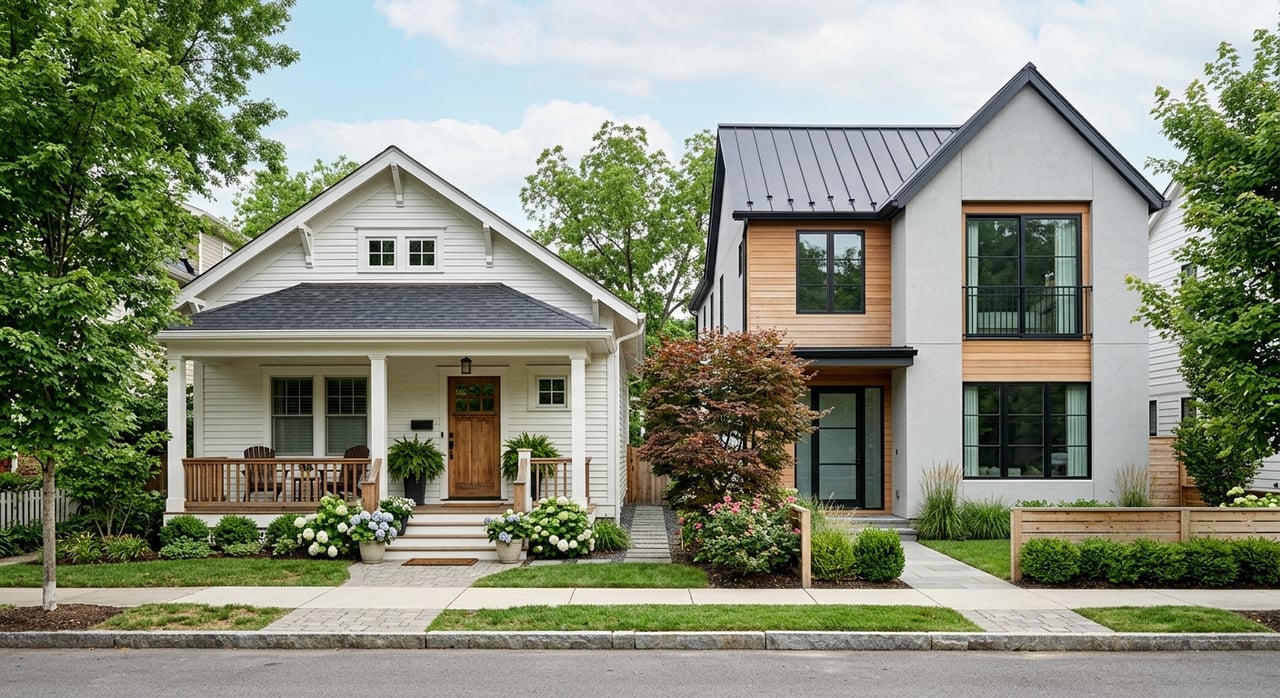
If you are torn between a charming bungalow and a polished new build in 12 South, you are asking the right question. In this neighborhood, the choice is not just about age or style. It is about how you want to live day to day, what kind of upkeep you are comfortable with, and how much value you place on character, efficiency, and flexibility. This guide will help you compare both options in a practical way so you can move forward with more clarity. Let’s dive in.
Why This Choice Matters in 12 South
12 South has a distinct housing mix shaped by older architecture and newer infill. According to the 12 South Neighborhood Association, the area includes Victorian, bungalow, Transitional Victorian, and Tudor Revival housing forms, while Metro planning documents note that newer single- and two-family infill has often not mirrored those older styles.
That mix creates a very specific buyer decision. You are often choosing between a home that reflects the neighborhood’s earlier scale and pattern, or one built around more current layout and performance priorities. In 12 South, that difference can affect everything from daily comfort to long-term planning.
What a Bungalow Offers
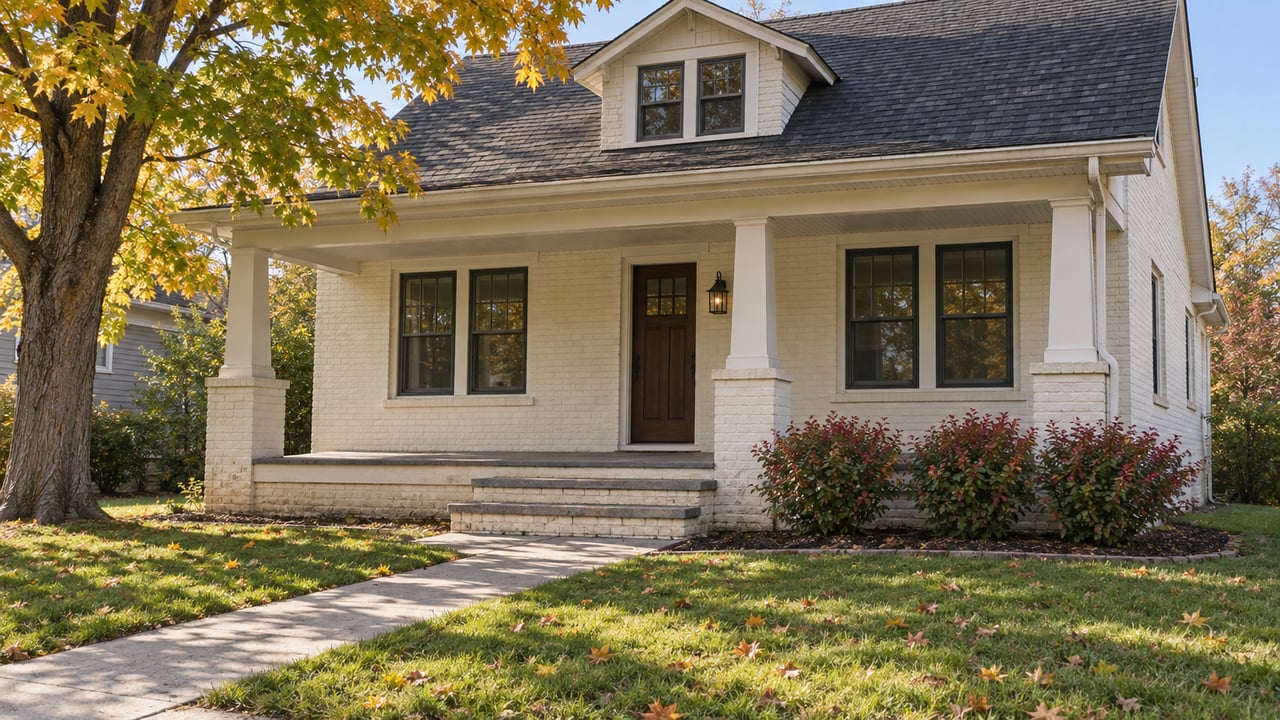
A bungalow is typically a one-story home with a sloping roof and a relatively compact footprint, often with a porch or veranda, according to Britannica’s definition of bungalow architecture. In 12 South, that usually translates to historic scale, established curb appeal, and a layout that fits the neighborhood’s older street pattern.
For many buyers, the appeal is immediate. Bungalows often feel warm, grounded, and connected to the original fabric of the area. If you care about character and want a home that feels rooted in 12 South’s older streetscape, a bungalow can be a strong fit.
Bungalow strengths
A bungalow may work well for you if you value:
- Historic charm and architectural character
- A smaller or more manageable footprint
- Fewer stairs and simpler daily living
- A home style that aligns with the neighborhood’s older pattern
That smaller scale can be especially appealing if you want less vertical living or a more straightforward floor plan. In many cases, the layout supports a simpler maintenance routine on the living side, even if the house itself may require more system updates over time.
Bungalow tradeoffs
Older homes often come with more near-term planning needs. HUD housing counseling materials recommend budgeting for repairs or replacement of major systems such as roofing, windows, HVAC, electrical, insulation, and appliances, and setting expected replacement timelines in advance through a home maintenance planning approach.
That does not mean every bungalow is a project. It does mean you should look beyond finishes and think carefully about what has been updated, what has not, and what may need attention after closing. In a premium neighborhood like 12 South, those details matter.
What a New Build Offers
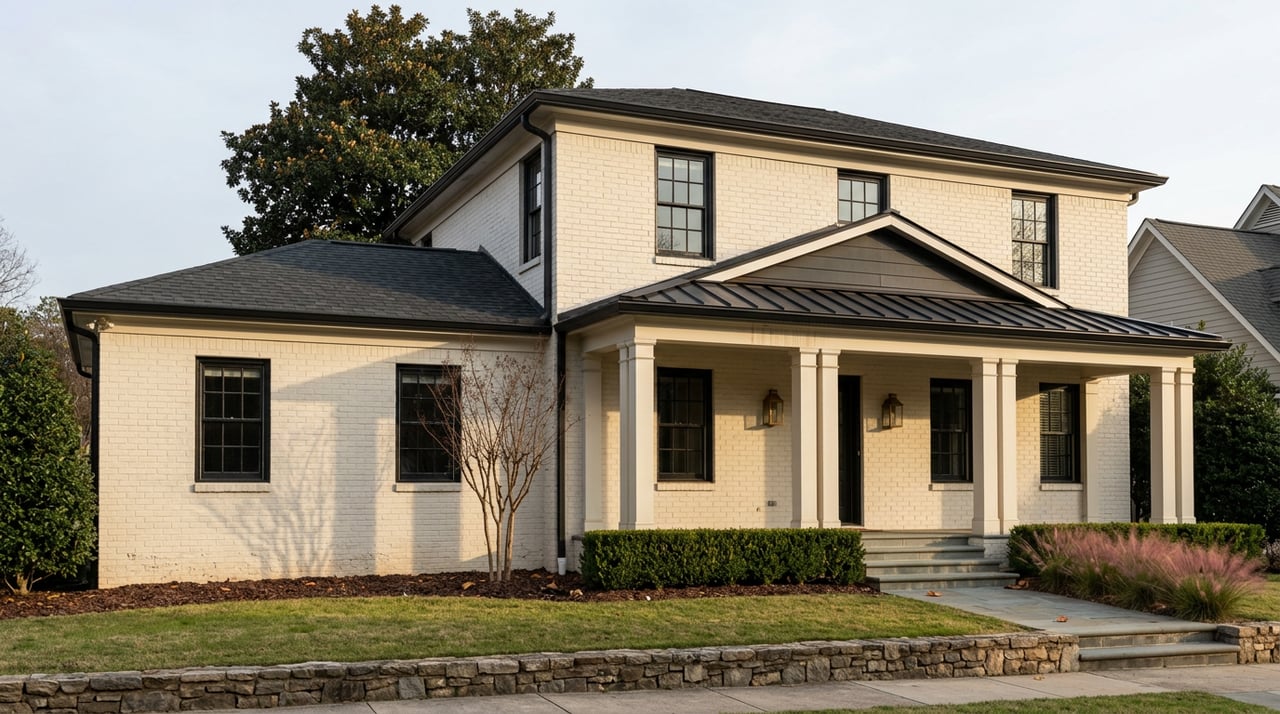
New construction in 12 South often reflects today’s lifestyle priorities more directly. Metro’s planning guidance for the corridor notes that recent infill has generally not modeled historic house types, even as urban design standards aim to help new homes complement surrounding scale through controls related to height, setbacks, spacing, parking, and access, as outlined in the 12th Avenue South planning document.
In practical terms, newer homes are often designed for modern living first. You may find more open layouts, more storage, larger kitchens, and better accommodation for current parking and everyday use patterns.
New build strengths
A new build may work well for you if you prioritize:
- Newer systems and materials
- Better energy efficiency
- Lower near-term maintenance risk
- More flexible layouts for current living needs
- Stronger parking options, such as driveways, garages, or alley access
Energy performance is a real advantage. According to ENERGY STAR’s new homes overview, certified new homes include air sealing, quality insulation, high-performance windows and doors, efficient HVAC, and water-management details that can improve durability and reduce utility and maintenance costs. The EPA says these homes can save up to 30 percent compared with typical new homes, with average annual savings of about $300.
New build tradeoffs
The tradeoff is usually less original architectural character. Some buyers also find that newer infill feels less tied to 12 South’s older rhythm and proportions, even when it meets current standards. If neighborhood authenticity is high on your list, that may influence how you weigh the option.
Price can also be front-loaded. A new build often concentrates more of your spending in the purchase price, even if it may reduce the likelihood of major repairs in the near future.
Parking Can Be the Deciding Factor
In 12 South, parking is not a small detail. It can shape your daily routine more than square footage does. Nashville’s parking engagement for the area specifically asks whether homes have driveways, rear alley or off-street parking, or curb parking only, underscoring how inconsistent parking can be from block to block on the 12 South parking engagement page.
NDOT’s 12th Avenue South bikeway project page also notes that some sections have consistent street parking, while staff analysis has pointed to scarce convenient off-street parking in parts of the area. That is why garage space, alley access, and driveways can carry real value, especially if your household has multiple cars, regular guests, or frequent entertaining.
When parking matters most
Parking may be a bigger factor in your decision if you:
- Have more than one vehicle
- Host often
- Prefer not to rely on curb availability
- Want easier loading, unloading, or day-to-day convenience
In many cases, newer homes have an advantage here. That said, parking is highly block-specific, so it is worth verifying each property individually rather than making assumptions based on home style alone.
Design Rules and Overlay Review
Before you buy either type of home, it is smart to understand what rules apply to the property. Much of this area is subject to neighborhood conservation review. Metro lists Waverly-Belmont among its Neighborhood Conservation Zoning Overlay districts, and its historic zoning guidance explains that overlays can add restrictions affecting height, setbacks, and design-related choices through the districts and design guidelines page.
That matters whether you are considering a renovation, addition, teardown, or future exterior changes. Metro also advises buyers and owners to verify current zoning and overlay requirements through its zoning code guidance.
Why this matters to buyers
Overlay rules can affect:
- Additions and exterior changes
- Demolition plans
- Height and setback allowances
- Design review requirements
If you are buying with future plans in mind, this step is essential. A beautiful house and a strong lot do not always mean unlimited flexibility.
Budgeting for the Real Cost
12 South is a premium market, and your choice between a bungalow and a new build should include a realistic budget conversation. The research shows that the neighborhood remains expensive, with Redfin reporting a February 2026 median sale price of $1.275 million and Realtor.com reporting a median sale price of $1.45 million. While different data providers can vary, both point to a high-cost market.
The bigger question is how your costs are likely to be distributed over time. A renovated bungalow may combine a high purchase price with future maintenance or renovation reserves. A new build may require more up front but offer more predictable operating costs and fewer immediate repair items.
Which Home Type Fits Your Lifestyle?
The right answer usually comes down to how you want your home to function, not just how you want it to look.
Choose a bungalow if you want:
- Historic character
- A smaller or single-story footprint
- A home that feels tied to 12 South’s original fabric
- Simpler living with fewer stairs
Choose a new build if you want:
- Newer systems and better efficiency
- Lower maintenance in the near term
- More bedrooms, storage, or flexible living space
- Easier parking and modern daily convenience
If you are downsizing or want a more compact home, a bungalow may feel like the better fit. If you need more room to spread out, want more predictable performance, or prefer a turnkey experience, newer infill may make more sense.
A Smarter Way to Compare Homes
When you tour homes in 12 South, try comparing them with the same checklist every time. This keeps emotion from taking over too early and helps you focus on what will matter after move-in.
Questions to ask on every showing
- How old are the roof, HVAC, windows, and electrical systems?
- What parking is actually available on site?
- Is the layout aligned with how you live now?
- Are there overlay or zoning restrictions that could affect future plans?
- Do you want character more, or convenience more?
- Would you rather budget for updates later or pay more up front for newer systems?
That process can make the decision feel much clearer. In a neighborhood as layered as 12 South, a thoughtful side-by-side comparison is often more useful than a simple old-versus-new mindset.
If you are weighing a design-rich bungalow against a turnkey new build, local insight matters. Working with someone who understands 12 South’s housing stock, infill patterns, and practical tradeoffs can help you focus on the right home instead of the loudest listing. When you are ready to talk through your options, Stephanie Lowe can help you compare properties with a clear eye for design, livability, and long-term value.
FAQs
What is the main difference between a bungalow and a new build in 12 South?
- In 12 South, a bungalow usually offers historic character, smaller scale, and often fewer stairs, while a new build typically offers newer systems, better efficiency, and a layout designed for modern living.
Are bungalows in 12 South harder to maintain than new homes?
- They can be, because older homes may need more attention to major systems like roofing, HVAC, windows, insulation, and electrical, so it is smart to review update history carefully.
Do new builds in 12 South usually have better energy efficiency?
- Yes, newer homes often have stronger energy-performance features, and ENERGY STAR says certified new homes can reduce utility costs through better insulation, air sealing, windows, doors, and HVAC systems.
How important is parking when buying a home in 12 South?
- Parking can be a major factor because off-street parking is inconsistent across the neighborhood, so driveways, garages, and alley access can be especially valuable.
Do zoning overlays affect homes in 12 South?
- Yes, some properties may be subject to Neighborhood Conservation Zoning Overlay rules, which can affect additions, demolition, setbacks, height, and design review.
Which type of home is better for downsizing in 12 South?
- A bungalow may be the better fit if you want a smaller footprint, fewer stairs, and a home that feels more manageable day to day.