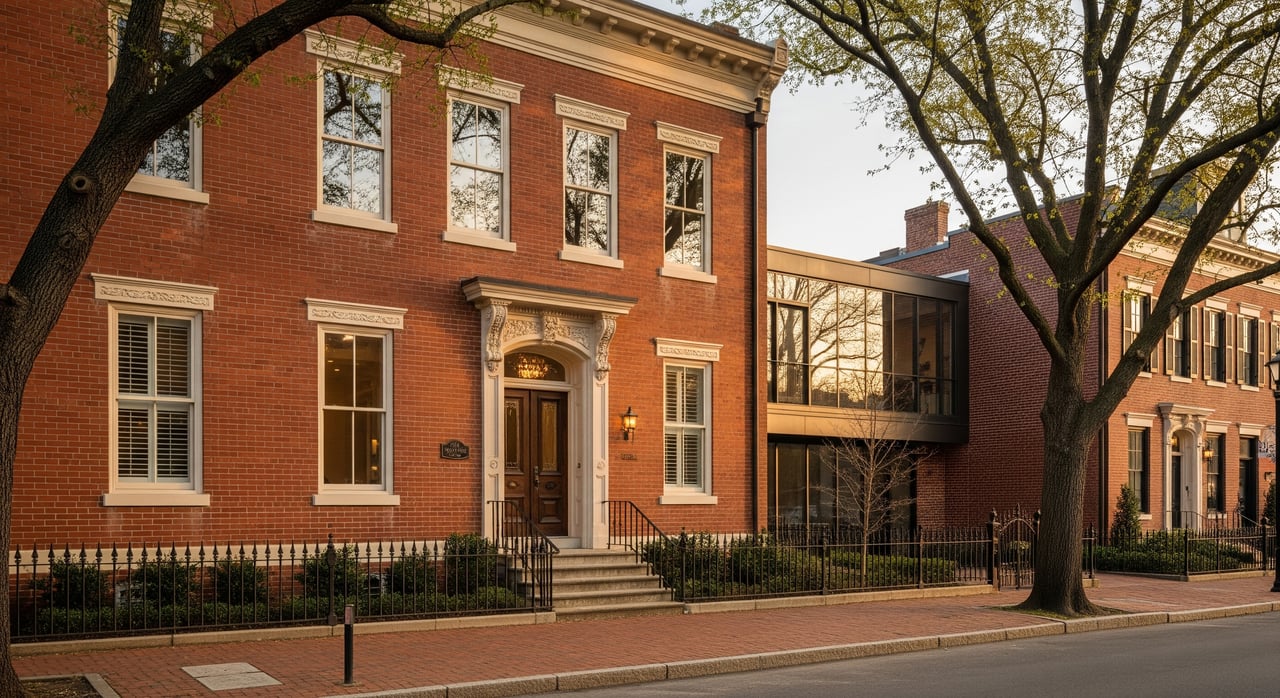
Thinking about replacing windows, adding a porch, or building a garage in Germantown or Salemtown? If your home sits in the historic overlay, the rules feel complex at first. You want to protect your home’s value and get the design right without delays. This guide gives you a clear, step‑by‑step look at what the overlay regulates, how approvals work, and how to plan projects that pass review and age well. Let’s dive in.
Historic overlay basics
Historic overlays are local zoning tools that protect neighborhood character by reviewing exterior changes visible from the street. In Nashville, that review is handled through city planning and a historic review body. The focus is on how your home looks from the public way and how it fits the rhythm of the block.
Overlays do not freeze your property in time. You can repair, renovate, add on, or build new. The overlay simply asks that visible work is compatible with the neighborhood’s scale, materials, and patterns. Interiors are generally not regulated unless the property is a specially designated landmark with interior protections.
What the overlay regulates
Work that usually needs review
- Exterior alterations visible from the street, including façades, porches, steps, and chimneys.
- Roofing and roofline changes when visible from the public way.
- Window and door replacement or sizing changes that affect the street view.
- Additions and new construction, including garages and accessory buildings, with attention to massing, setbacks, and rhythm.
- Demolition or removal of structures or prominent features.
- Materials and finishes that affect character, such as applying new synthetic siding over original materials.
- Fences, retaining walls, driveways, visible landscape elements, and certain signage.
Work that is often exempt
- Interior renovations that do not alter exterior appearance.
- Ordinary maintenance and in‑kind repairs that match existing material and form.
- Work not visible from the public right‑of‑way may be exempt or more flexible. Always confirm specifics before starting.
Demolition in brief
Demolition of a contributing historic structure usually triggers a higher level of review, often at a public hearing. Decisions look at historic significance, structural condition, and whether rehabilitation is feasible. Full demolition faces strict scrutiny.
How approvals work
Common paths to a yes
- Administrative or staff review for routine maintenance, in‑kind repairs, and small changes that clearly meet guidelines.
- Minor or expedited approvals for modest changes that need documentation but do not change overall character.
- Full Certificate of Appropriateness review for major alterations, additions, new construction, and demolitions, or when a proposal departs from guidelines. This often involves a public meeting.
What to submit with your application
- Clear photos of existing conditions from multiple angles, including views up and down the street.
- Scaled drawings or sketches showing elevations, plans, and key dimensions.
- Material specs or samples for siding, windows, roofing, and trim.
- A site plan with setbacks, driveway or garage location, and relevant dimensions.
- A brief statement of work explaining methods and how the design is compatible.
Timelines and fees
- Staff approvals often take days to a few weeks, depending on workload and how complete your submittal is.
- Commission hearings tend to follow a monthly schedule with deadlines ahead of each meeting. Expect several weeks to a few months from submission to final decision for major projects.
- Historic review fees are common. Larger projects may have higher fees. Appeals are typically available through local code.
Project types and design tips
Windows and doors
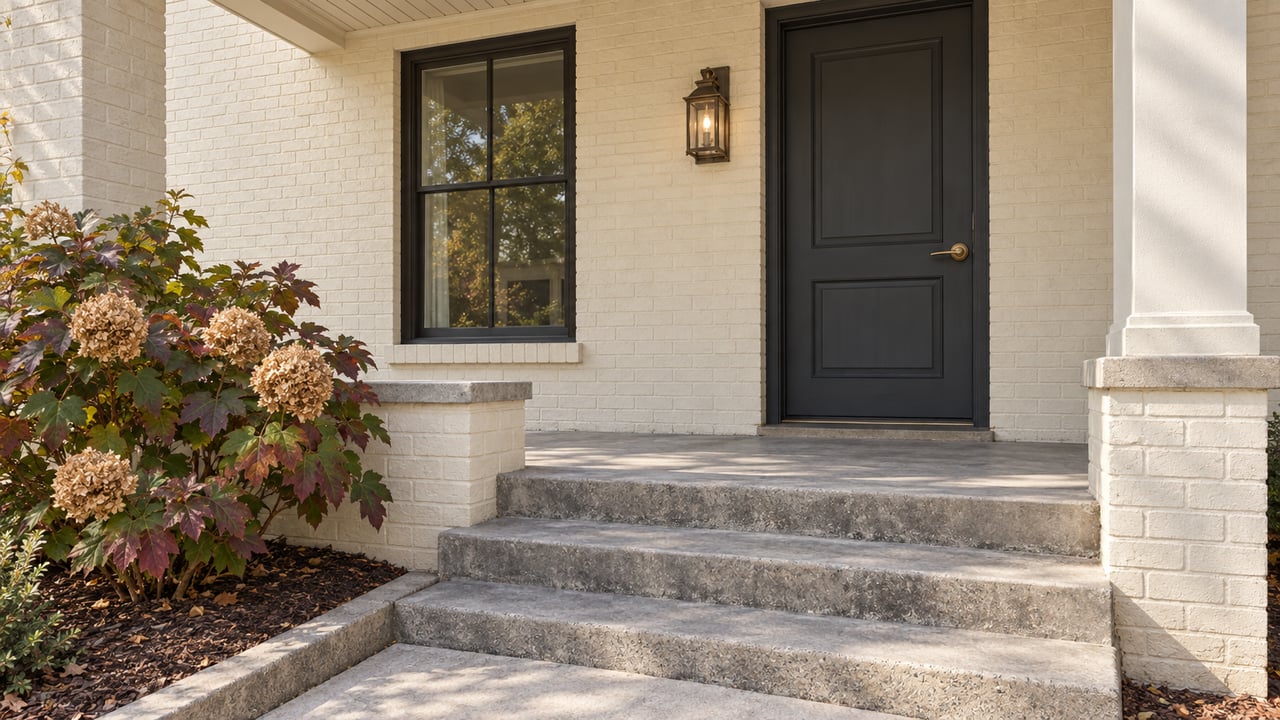
Repair original windows when feasible. If replacement is necessary, choose units that match historic profiles, muntin patterns, and sash operation. Full‑frame replacements visible from the street typically require review and documentation.
Porches and entries
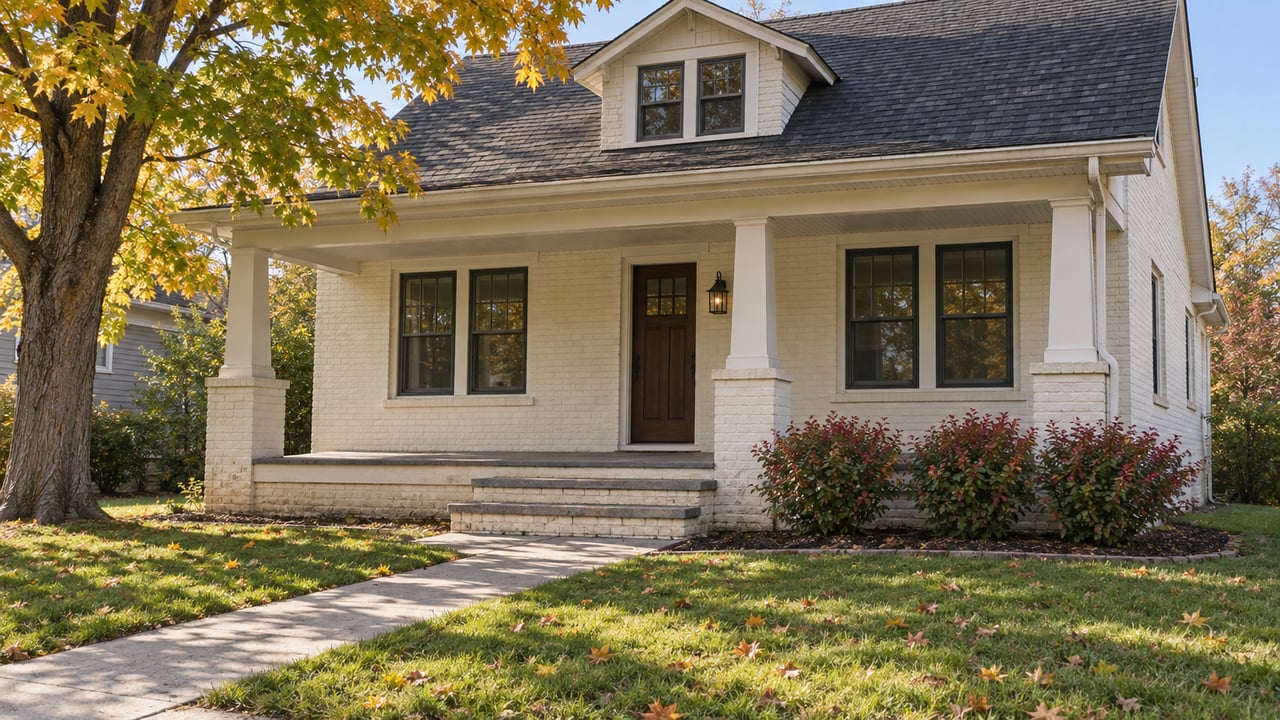
Porches shape the streetscape in Germantown and Salemtown. Preserve or rebuild in kind whenever possible. Changes to porch footprints, railings, columns, or materials that face the street will be closely reviewed.
Additions, garages, and ADUs
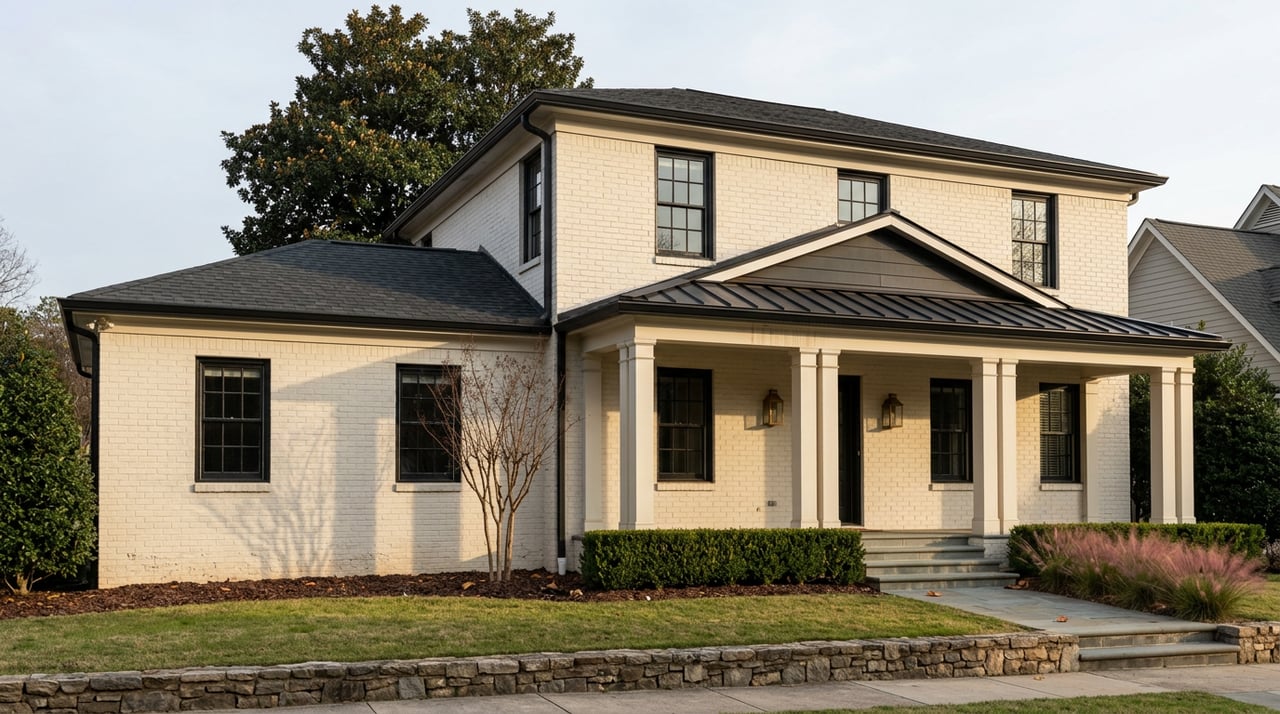
Rear or minimally visible additions are often allowed if they are compatible in massing and materials and the primary façade stays intact. New garages or accessory buildings may be possible, but siting and visibility matter. Keep new work subordinate to the main house.
New infill construction
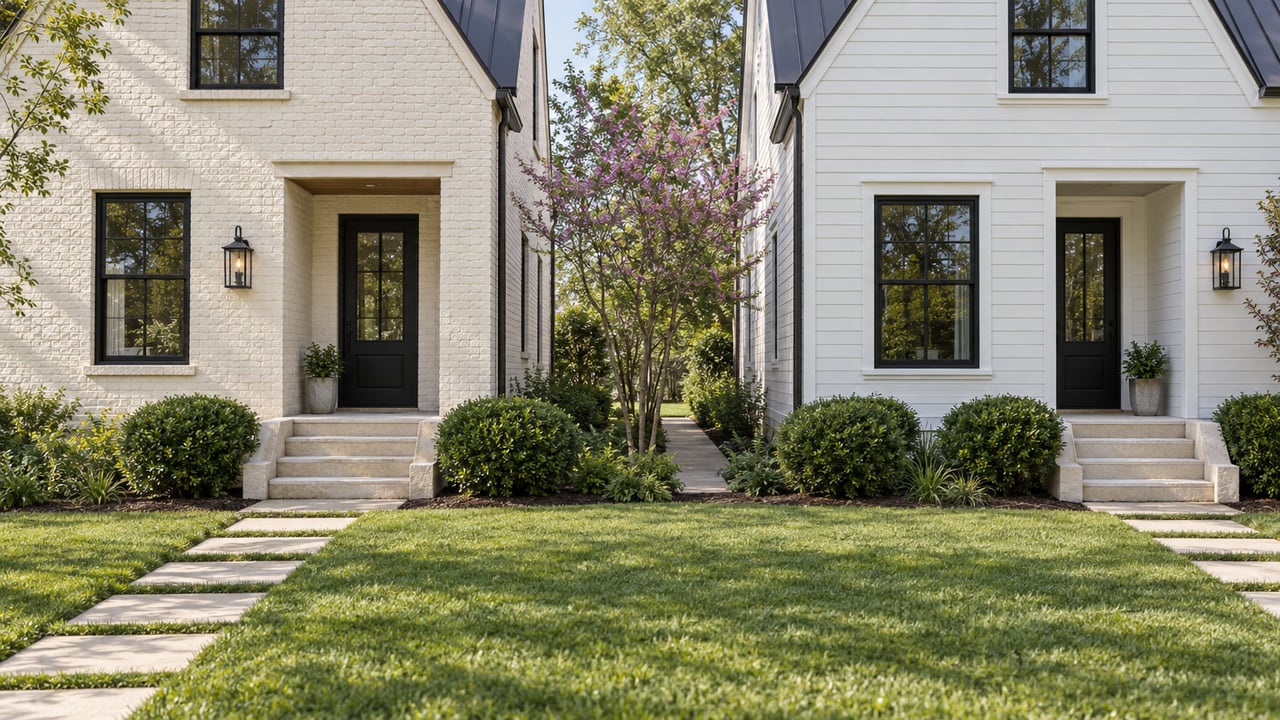
New homes can be contemporary or traditional if they respect scale, setbacks, roof forms, and material quality on the block. Compatibility is the goal, not imitation, so aim for proportions and rhythms that fit.
Landscaping, driveways, and fences
Changes that alter the historic streetscape, like large curb cuts or front‑yard paving, can trigger review. Permeable surfaces and traditional front‑yard patterns are often encouraged for stormwater and character.
Protecting design and long‑term value
Do this to preserve value:
- Retain and repair character‑defining features such as porches, original windows, brickwork, and cornices.
- Use a “compatible but differentiated” approach for additions so new work is distinguishable yet subordinate.
- Choose durable, sympathetic materials like brick, wood, and standing‑seam metal.
- Keep the street‑facing façade well maintained to support neighborhood continuity and resale value.
Avoid these pitfalls:
- Removing porches or changing original window patterns.
- Covering historic masonry with synthetic siding.
- Large, highly visible rooftop additions or conversions that disrupt massing.
- Starting work before historic approval, which can lead to costly reversals.
Plan for cost and time:
Sensitive preservation work can cost more upfront, but it protects long‑term value and reduces the risk of denial. Budget for design or architect fees, application fees, and an extra review cycle in your timeline.
Steps before you start in Germantown or Salemtown
- Verify your property’s overlay status and boundaries with Metro’s planning or historic preservation office.
- Review the neighborhood design guidelines and any application checklists.
- Photograph and document existing conditions and check your property’s permit history.
- Request a pre‑application review if offered to align on approach before you invest in drawings.
Who to involve and when
- Your listing or buyer’s agent should flag the historic overlay and help set expectations, including contingencies for planned work.
- A design‑savvy agent is valuable in assessing whether your ideas are likely to pass review and in connecting you with the right team.
- Hire a contractor experienced in historic work who understands local requirements and repair techniques.
- Bring in a preservation architect or designer for additions, new construction, or anything that needs a commission presentation.
- Engage neighborhood associations or preservation groups for precedents and informal expectations.
Your application checklist
- Before‑and‑after photos from the street and close‑ups of affected areas.
- Scaled elevation drawings and a site plan with key dimensions.
- Material specifications for siding, windows, roofing, and trim.
- A concise statement of work explaining methods and compatibility.
- Required city forms and payment of application fees.
Incentives and resources
Federal and state historic tax credits mainly apply to income‑producing properties and require certification. Homeowners should check eligibility with the State Historic Preservation Office. Local incentives vary by city. Utility programs for energy efficiency can pair well with sensitive upgrades, like weatherstripping original windows or adding insulation in non‑invasive locations.
Buying or selling under the overlay
If you are buying, include approval contingencies for any planned exterior changes. If you are selling, disclose the overlay, share prior approvals, and provide plans or permits for recent exterior work. Clear documentation will give buyers confidence and can speed the path to closing.
Make moves with confidence
With the right plan, the historic overlay protects neighborhood character while allowing thoughtful updates. If you want to renovate for modern living or evaluate a purchase in Germantown or Salemtown, a design‑forward strategy and a complete application will save time and preserve value. For tailored guidance and connections to experienced architects and contractors, reach out to Stephanie Lowe.
FAQs
How do I confirm my Germantown or Salemtown home is in the historic overlay?
- Contact Metro’s planning or historic preservation office and review the official zoning map for your parcel.
What projects typically need a historic review or Certificate of Appropriateness?
- Exterior work visible from the street, including façade changes, windows and doors, additions, new construction, garages, and demolition.
Are routine repairs exempt from review in Nashville’s overlays?
- Many in‑kind repairs and ordinary maintenance are exempt, but material changes or design alterations usually need approval.
How long does the historic review process usually take?
- Staff approvals can take days to a few weeks; commission reviews often follow a monthly cycle and may take several weeks to a few months.
Can I replace my windows or porch in Germantown?
- Yes, but expect review; repair is preferred for historic windows, and porch changes visible from the street face close scrutiny.
Can I demolish my house if it is considered contributing?
- Demolition of contributing structures faces strict review and typically requires a public hearing that weighs significance and feasibility of rehabilitation.
How does the overlay affect resale value and renovations?
- Preserving street‑facing character and using compatible materials supports neighborhood continuity and can help protect long‑term value.
What professionals should I hire for a compliant renovation?
- A design‑savvy agent, a contractor experienced in historic work, and a preservation architect for complex projects are recommended.