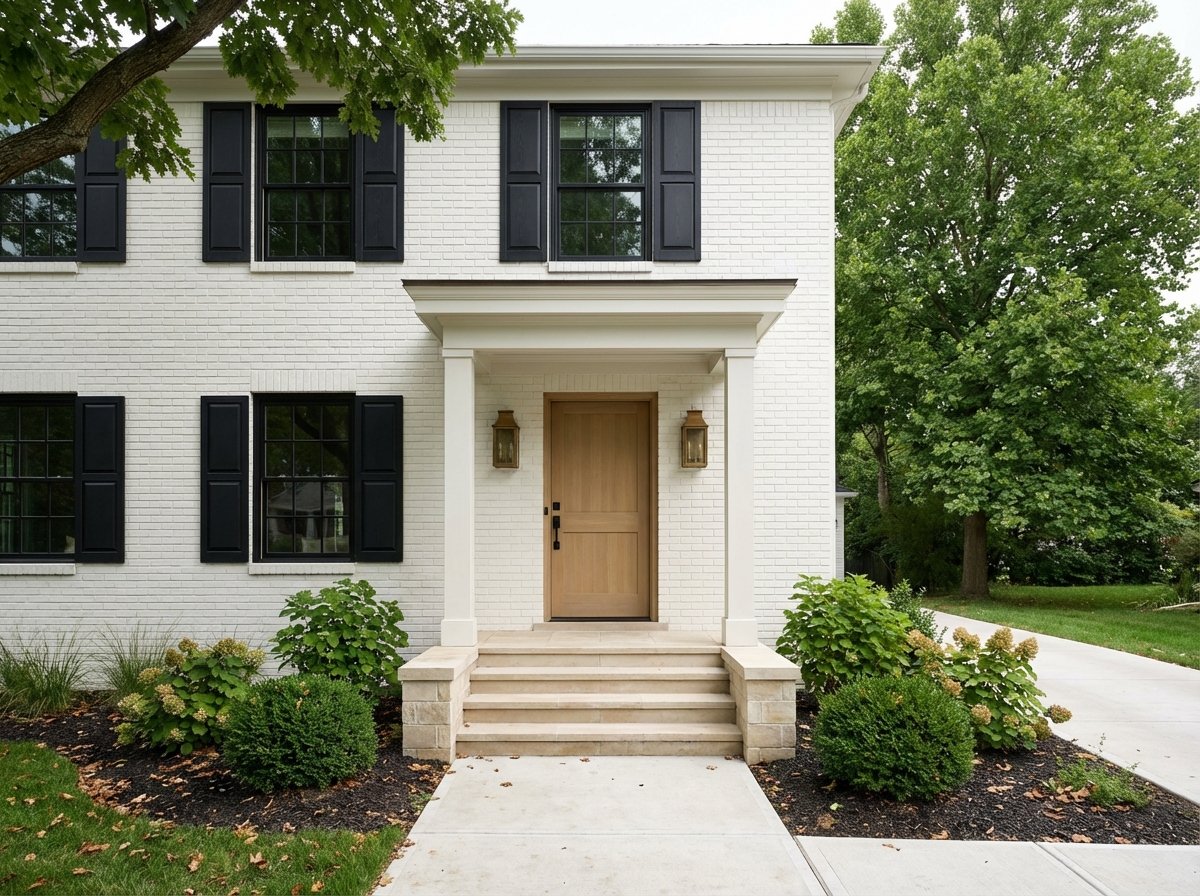
If you are drawn to the privacy, trees, and central convenience of Green Hills, you are not alone. With typical home values around $1.74 million and a steady flow of luxury infill, it is one of Nashville’s most competitive new-construction markets. You want confidence that the home you choose will deliver craftsmanship, function, and long-term value. This guide shows you where building is happening, how to evaluate quality, and the steps that protect your investment so you can move forward with clarity. Let’s dive in.
Market snapshot and what it means
Green Hills sits near the top of Nashville’s price spectrum. Recent neighborhood summaries show a heavy share of $1 million plus sales, median prices in the mid to upper $1 million range, and average lots near 0.39 acres with wide variation. Limited vacant land means most new homes are the result of teardowns or lot reconfigurations. Finished new builds that fit the streetscape often command a premium per square foot.
For you, that translates to three realities:
- Expect strong price floors for quality locations and designs.
- Competition focuses on standout lots, thoughtful architecture, and turnkey execution.
- Estate-scale parcels exist but are limited, so timing and readiness matter.
Where new construction is happening
Estate replacements on larger lots
You will see high-end replacements on wider corridors and legacy streets where original parcels remain roughly a half acre or more. Blocks along streets like Brookmeade, Estes, and Hobbs show how owners and builders are creating modern estates within a mature canopy. These projects often include pools, carriage-style garages, and refined landscaping to preserve privacy and scale.
Infill and teardown-to-new
Across central Green Hills, many midcentury homes have given way to 3,000 to 6,500 plus square foot new builds. Expect tighter yards, more vertical massing, and privacy strategies such as evergreen screening, strategic window placement, and gated entries. These homes trade expansive acreage for fresh systems, efficient layouts, and new-material peace of mind.
HPR and two-on-one properties
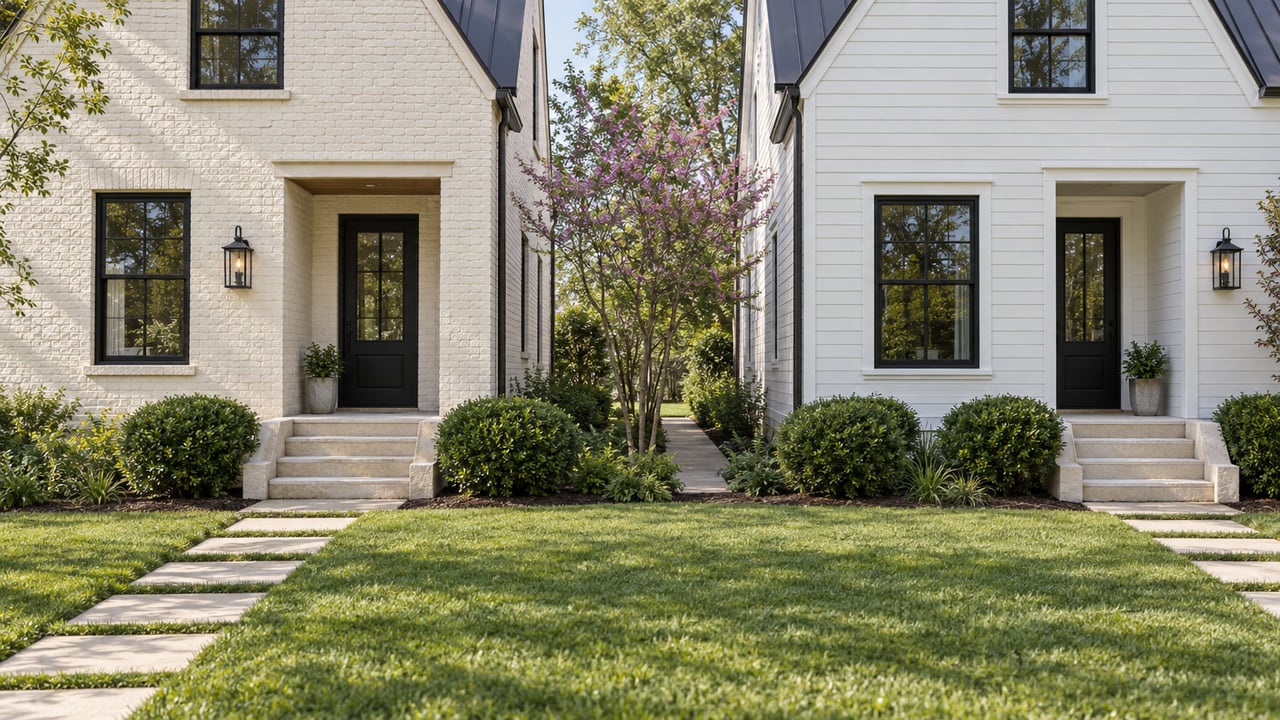
Tennessee’s Horizontal Property Act allows developers to create two saleable homes on a single original parcel when zoning permits. HPRs are common in premium neighborhoods and can influence title, maintenance, taxes, and financing. Review the statute in the Tennessee Horizontal Property Act and, for added context, this practical HPR explainer. If you are considering an HPR home, make sure your advisor and closing attorney understand the structure.
Conservation overlays and approvals
Neighborhood advocates have pursued design review and conservation tools in portions of Green Hills that can affect scale and demolition timing. Before you write an offer, check for any active proposals or overlays on the Preserve Nashville advocacy tracker. Additional review can influence your construction window and design choices.
Architecture and lot traits to expect
Styles you will see
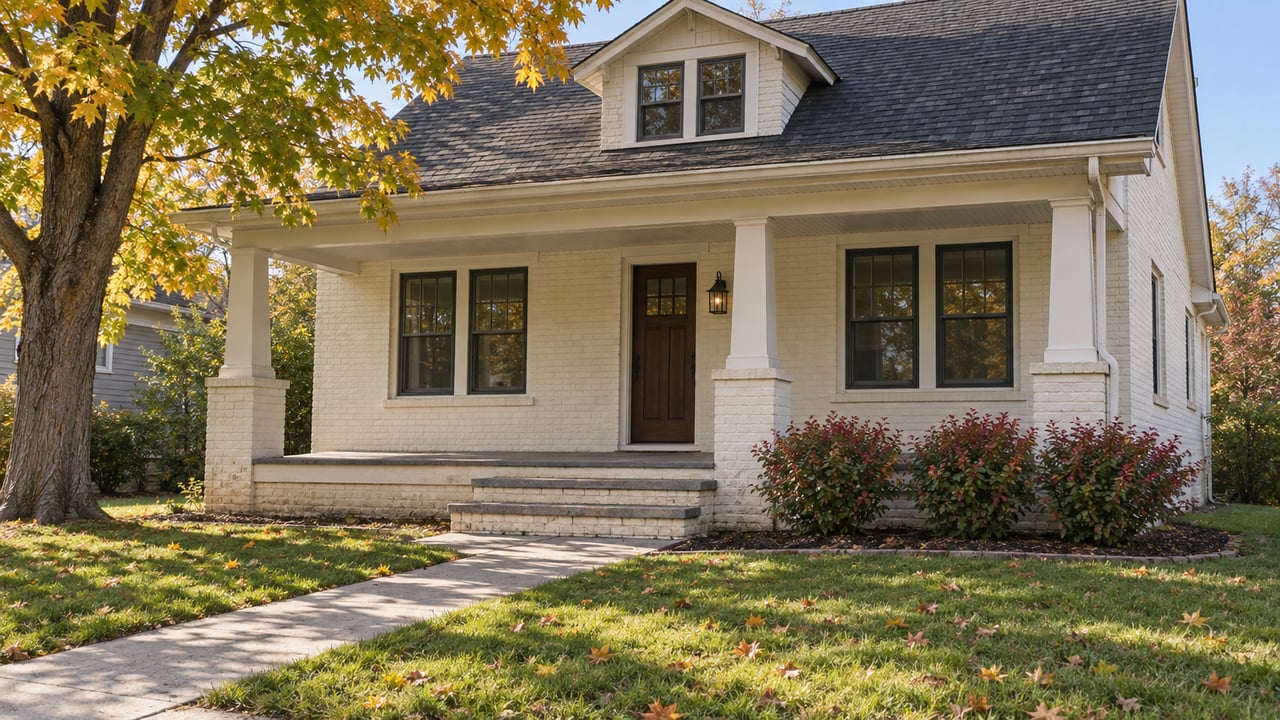
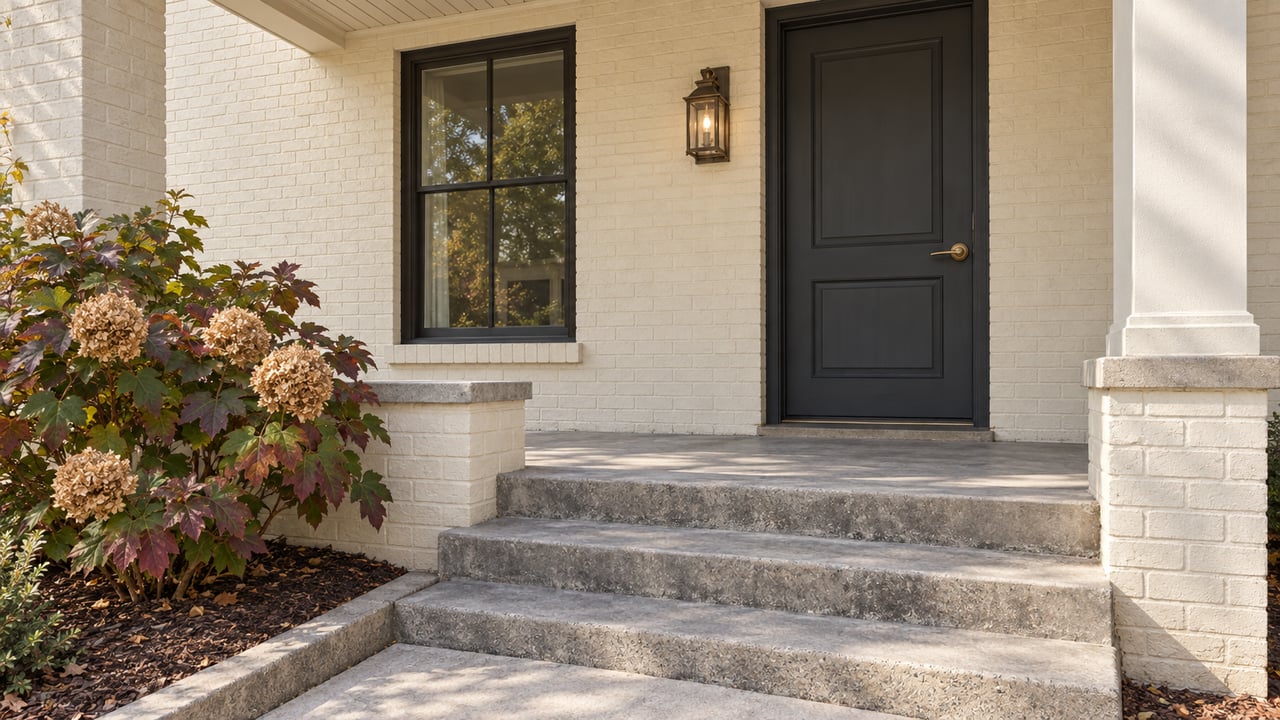
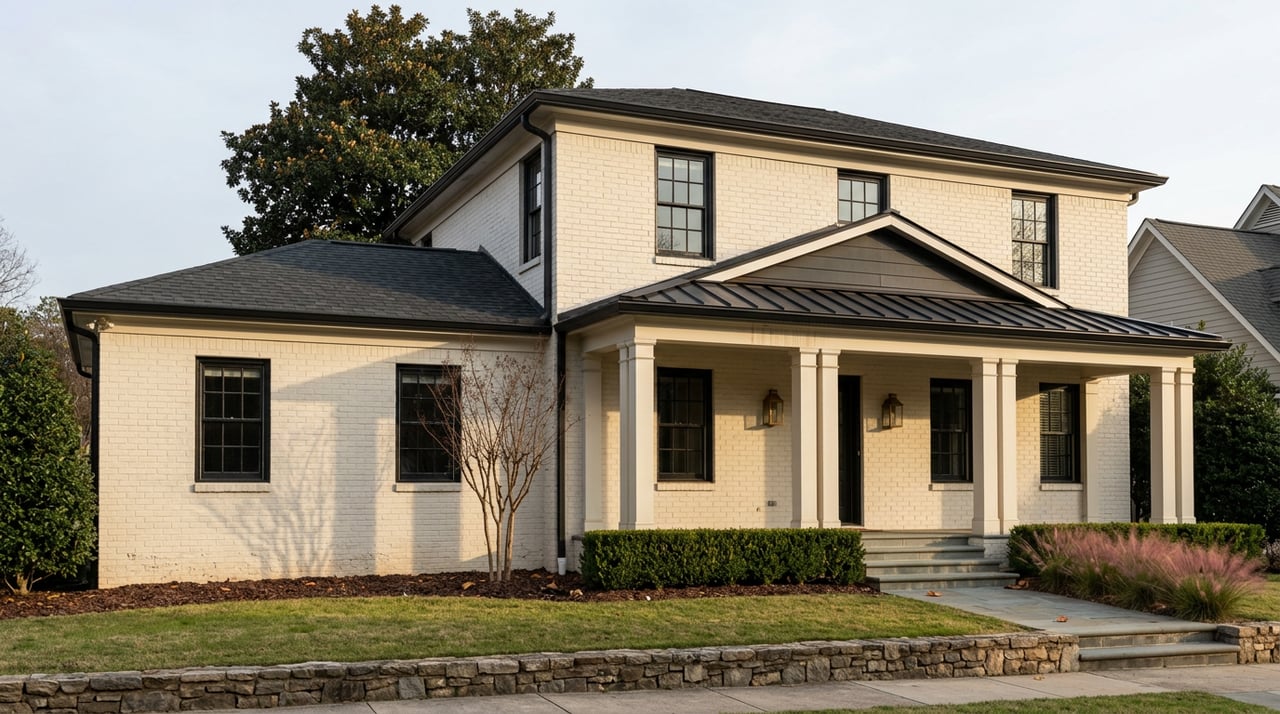
High-end Green Hills homes range from classic Southern and Georgian to Transitional, Modern Farmhouse, and Contemporary forms. Custom builders in Nashville showcase millwork, natural stone, high-end appliance packages, and a mix of brick, stone, fiber cement, and metal-accent windows. Explore portfolios such as Castle Homes’ custom communities for a sense of finish levels and design language.
Lot sizes and buildable area
Average lot figures mask wide variety. You will find select one acre plus parcels and many sub-quarter-acre sites used for infill or HPR builds. Always verify recorded lot size, setbacks, easements, and whether the property is part of an HPR or PUD. These details change what you can build and what you will own.
Topography, trees, and drainage
Green Hills’ mature canopy and rolling terrain are part of the charm and part of the challenge. Slopes, retaining walls, protected trees, and stormwater routes can affect the foundation type, pool placement, and landscape budget. A professional site survey and, for complex parcels, a geotechnical report help you avoid surprises.
Streetscape fit
Buyers in Green Hills respond to homes that feel contextual on their block. Rooflines, height, garage orientation, and landscape design affect curb appeal and resale. Many custom builders emphasize a balanced exterior that nods to neighborhood character while delivering modern interiors.
How to judge quality, function, and value
Pre-contract technical review
Ask for the full architectural plan set, structural details, finish schedule, and mechanical and energy specs before you sign. Compare what is listed as standard versus what is an allowance. Enlist an architect or independent advisor to review structural loads, waterproofing details, window and door specs, and roof assemblies. Reviewing these items early gives you better leverage and fewer change orders. For finish-level benchmarks, browse local builder portfolios like Castle Homes.
Warranty protection
Many builders offer a 1-2-10 style program: 1 year for workmanship and materials, 2 years for systems, and 10 years for major structural defects. Confirm if coverage is insurance-backed and when it begins. Learn the basics in this 1-2-10 warranty overview.
Independent inspections and timing
Even new homes benefit from third-party inspections. Schedule three checkpoints: foundation or pre-slab, framing and rough-in before drywall, and a full pre-closing inspection. Independent inspectors often catch workmanship and system issues that code inspections do not. The NAR field guide to home inspections explains why outside verification matters.
What to scrutinize up close
- Structure and waterproofing: footings, foundation drainage, flashing at transitions, and roof underlayment.
- Exterior envelope: weather-resistive barrier, window installation, and critical flashing details.
- Mechanical systems: HVAC sizing and zoning, duct balancing, electrical capacity for EV charging and future loads, and hot water setup.
- Finishes: cabinet attachment, millwork alignment, tile flatness and grout, hardwood installation, and stair and handrail fit.
Photograph issues and document every item on the punch list before closing.
Floorplan and daily living
Confirm that the plan supports how you live. Prioritize a well-planned primary suite, a chef’s kitchen with pantry and service flow, a quiet yet connected office, and a mudroom that fits your routine. Large secondary bathrooms and flexible rooms improve daily comfort and future marketability. The NAR inspection guide highlights how practical features drive buyer demand.
Resale realities in Green Hills
Your long-term value depends on the lot, the exact block, and fit to neighborhood character. Comparable sales should match lot size and street position, not just the broader ZIP code. Many buyers favor exteriors that sit comfortably on the street, even when interiors lean modern. A thoughtful exterior with enduring materials can widen your future buyer pool.
Vetting builders and protecting your contract
Verify licensing and standing
Confirm the builder’s license class, active status, and insurance. The Tennessee licensing overview explains classifications and thresholds that affect larger projects. Start with this state-focused Tennessee licensing guide.
Check local reputation and portfolio
Request recent Green Hills references, then drive past completed homes. Ask past clients about timing, change orders, warranty response, and communication. Reviewing local portfolios such as Montgomery Classic Construction or Castle Homes helps you benchmark quality and style.
Nail down inclusions and allowances
Insist on a detailed inclusions list with specific model numbers for appliances, plumbing, lighting, and hardware. Clear allowances for tile, countertops, and landscaping reduce surprises at the design center.
Smart contract terms
- Timeline: include milestone dates for foundation, framing, and substantial completion, plus remedies for material delays.
- Change orders: require written approval and not-to-exceed limits for selections.
- Warranty and punch list: secure a clear, written warranty and a post-closing punch-list timeline, with escrow if needed. Review insurance-backed options via StrucSure.
Why buyer representation matters
Builder sales staff serve the builder. An independent advocate protects you by negotiating inclusions, coordinating inspections, managing the punch list, and guiding warranty escalation. Learn the pros and cons of using an agent for new builds in this new construction representation overview.
Green Hills new-build checklist
Use this quick checklist to keep your search organized.
Neighborhood and lot details
- Verify recorded lot size, setbacks, easements, and whether the property is an HPR or PUD. Review the Tennessee Horizontal Property Act if applicable.
- Pull block-specific comps that match lot size and position, not just neighborhood averages.
- Confirm the assigned school cluster and any planned public projects that may affect traffic patterns.
Site and screening
- Order a professional site survey. For sloped lots or pool plans, request geotechnical input.
- Ask about tree protection and landscape plans, especially where mature canopy removal is proposed.
Plans and function
- Collect the full plan set, finish schedule, and MEP spec sheets. Ensure HVAC zoning, hot-water capacity, and electrical service support EV charging and future loads.
- Walk the plan with your architect or designer to fine-tune circulation, storage, and options like an elevator.
Quality and inspections
- Schedule independent inspections at pre-slab, framing and rough-in, and pre-closing. The NAR inspection guide explains typical findings.
- Confirm the builder’s written 1-2-10 style warranty, preferably insurance-backed. See StrucSure’s warranty FAQs.
Contract and costs
- Require itemized allowances, clear change-order rules, and a milestone payment schedule. Reserve remedies for late delivery or incomplete punch lists.
Resale and exit plan
- Evaluate exterior massing, materials, and landscape design against nearby successful new-build sales. Consider tax reassessment timing and ongoing carrying costs.
Representation
- Engage an independent buyer’s agent before you visit builder models. An advocate should attend selections, coordinate inspectors, and oversee punch-list completion. For more context, see this guide to buyer representation on new builds.
Next steps
A great Green Hills new build blends thoughtful site use, refined design, and airtight execution. When you pair that with a clear contract and staged inspections, you get luxury that lasts. If you are weighing estate-scale replacements, turnkey infill, or an HPR option, you deserve a design-savvy advocate who also understands construction.
If you are ready to tour curated options or want a second set of eyes on plans, connect with Stephanie Lowe to schedule a consultation.
FAQs
What price range should I expect for Green Hills new construction?
- Many recent sales land in the mid to upper $1 million range and above, with finished new builds often commanding a premium per square foot when they fit the lot and streetscape.
What is an HPR home in Tennessee and how does it affect me?
- An HPR splits a single parcel into multiple attached or detached homes with shared elements that can affect title, maintenance, taxes, and financing. Review the Tennessee Horizontal Property Act and consult a closing attorney experienced with HPRs.
Are there neighborhood rules that could slow approvals in Green Hills?
- Portions of Green Hills may be subject to added review or conservation efforts that influence scale and timing. Check current proposals via the Preserve Nashville advocacy tracker.
Which inspections should I order for a brand-new home?
- Schedule three: pre-slab or foundation, framing and rough-in before drywall, and a comprehensive pre-closing review. See the NAR home inspection guide for why third-party inspections matter.
What does a 1-2-10 builder warranty usually cover?
- Typically 1 year for workmanship and materials, 2 years for systems, and 10 years for major structural defects. Confirm specifics with the builder and review StrucSure’s FAQ.
How do slope and mature trees affect costs in Green Hills?
- Sloped lots and protected trees can require engineered foundations, retaining walls, and careful stormwater design, which add cost and influence pool and landscape placement.
Do I need my own agent if the builder has a sales rep?
- Yes. The rep works for the builder. An independent agent advocates for your interests, negotiates inclusions and timelines, coordinates inspections, and manages punch lists. Learn more in this new construction representation overview.