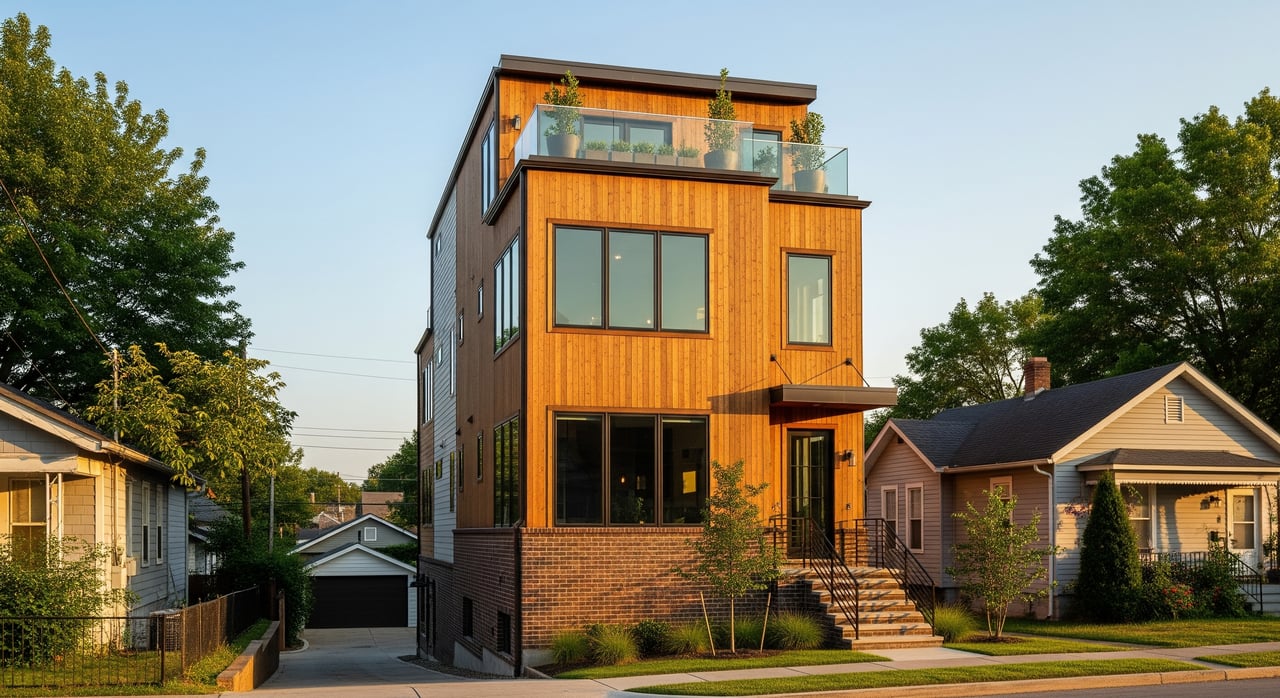
Considering a tall skinny home in Sylvan Park but not sure how they really work day to day? You are not alone. These narrow, vertical homes promise walkable living and modern layouts, yet they come with unique ownership, parking, privacy, and maintenance questions. In this guide, you will learn how tall skinny homes are configured, what ownership types mean, what to check in the zoning and plat, and how to evaluate livability and long-term value. Let’s dive in.
What is a tall skinny?
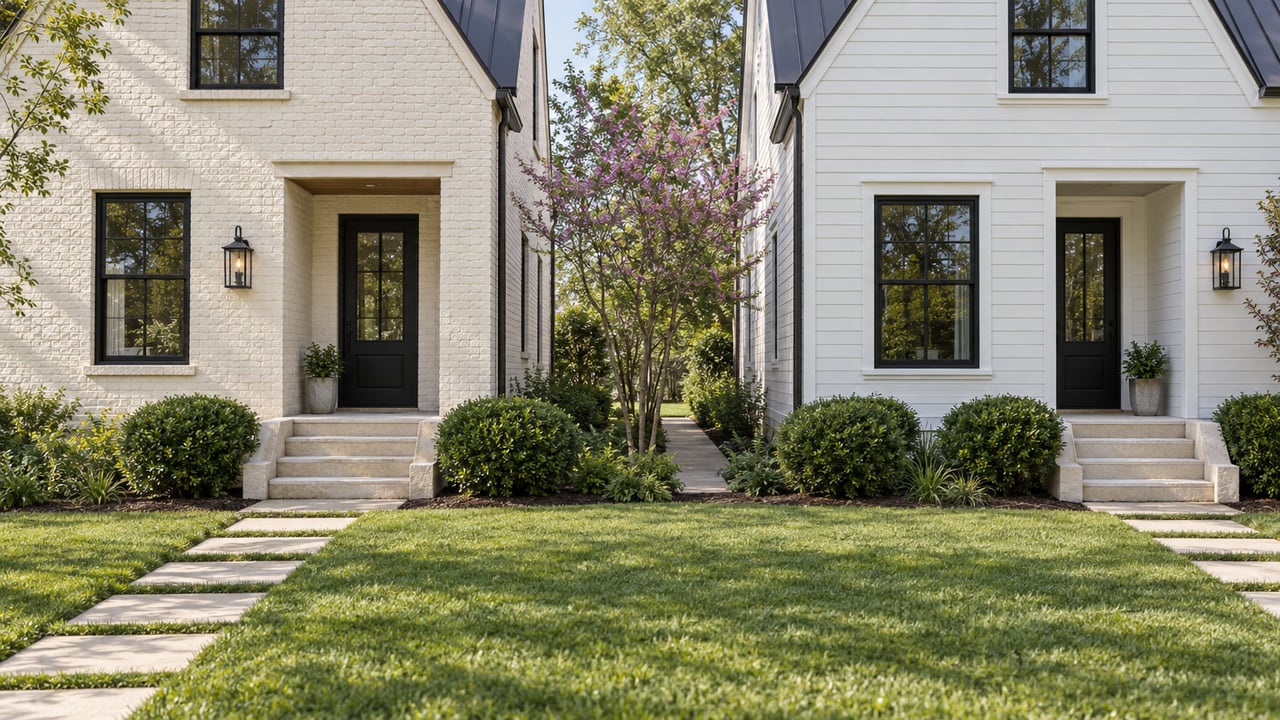
Tall skinny homes are multi-story houses on narrow urban lots with a small footprint and living spaces stacked vertically. In Sylvan Park, they often rise two to three stories with narrow street frontage and compact yards. Many are new construction or infill on subdivided parcels, while others are renovations that add vertical space or extend to the rear.
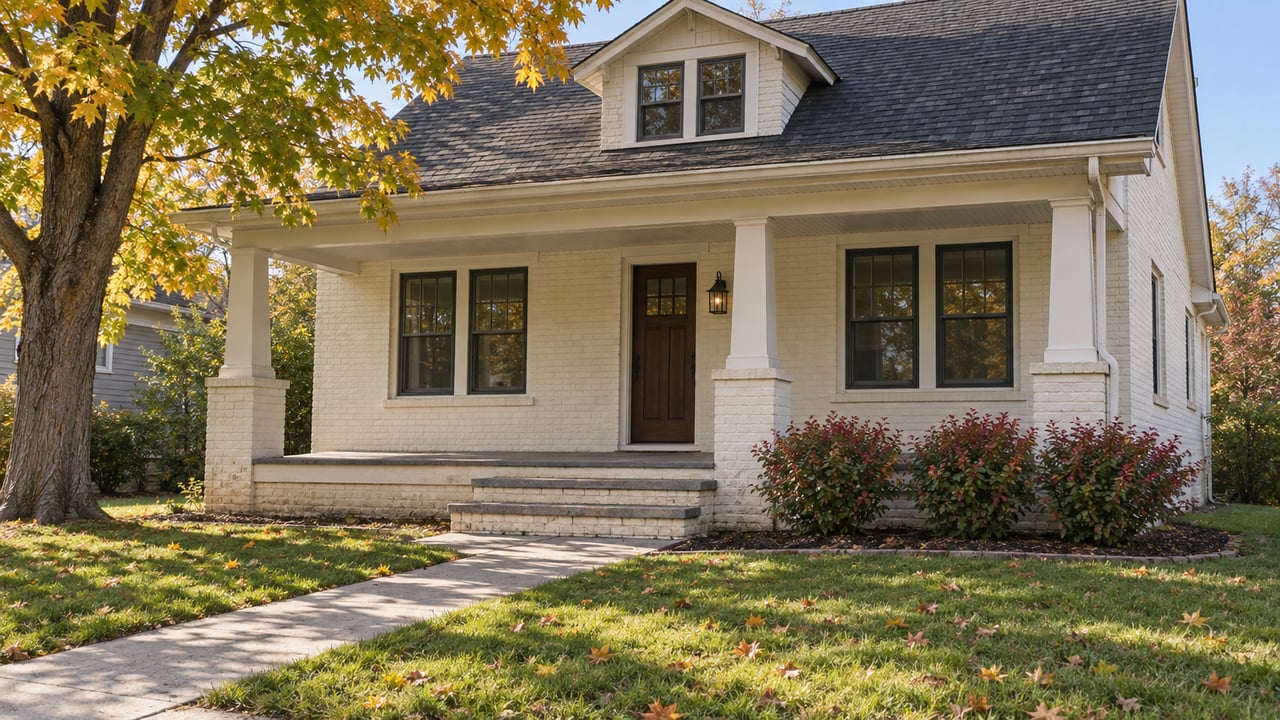
The appeal is clear. You get a walkable West Nashville location near neighborhood amenities and a design-forward layout that maximizes light and function in a smaller footprint. You will also see a range of styles, from contemporary facades to updated cottages that keep a front porch to fit neighborhood character.
Fee-simple vs HPR ownership
Ownership structure affects financing, maintenance, and resale. Understanding the difference helps you avoid surprises later.
- Fee-simple means you own the land and the structure outright. It usually comes with a single mortgage and title. You are responsible for the whole parcel and exterior maintenance. Many lenders view fee-simple as straightforward to finance.
- HPR (horizontal property regime) or condominium-style ownership splits a property into units with shared elements such as driveways, landscaping, or even roofs and party walls. HPRs use recorded declarations to outline who maintains what and how owners share access and costs.
In practice, HPRs are common when lots are tight, units share structures or site improvements, or a fee-simple split is not feasible. Financing and insurance can work differently for condo-like products, and some lenders apply different underwriting. Always review the governing documents and consult a lender early.
Verify before you offer
- Confirm if the home is fee-simple or HPR/condo.
- Request recorded declarations, plats, bylaws, and any maintenance or access easements.
- Check for rules on exterior changes, rentals, and shared expenses.
- Ask your lender how they treat the property type and whether any special documentation is required.
Floorplans and daily living
Tall skinny homes rely on vertical stacking. You will commonly see:
- Stacked living: Kitchen, dining, and living on the main floor with bedrooms above. A flex or guest suite may sit at the entry level.
- Reverse-living: Living spaces on the upper floors to capture light and views, with bedrooms below. This layout often pairs with rooftop decks.
- Townhouse-style: Garage or entry on the ground floor, living in the middle, bedrooms on top, sometimes capped by a rooftop terrace.
Stairs play a big role in how these homes live. Narrow footprints push stair placement to the core or side, which shapes furniture layout and circulation. Few have elevators. Look closely at stair width, headroom, and egress paths to understand how accessible the plan will be for your household.
Light and airflow are key design drivers. You will see clerestory windows, light wells, skylights, and strategically placed openings toward the street or rear yard to bring daylight deep into the plan. Mechanical and plumbing runs are typically stacked for efficiency, which is smart for performance but can make later retrofits more complex. Ask how walls and floors are insulated, especially if there is a shared wall, because sound can travel in tall, narrow structures without good assemblies.
Outdoor space and decks
Outdoor areas are often compact. Expect small rear or side yards, raised decks, balconies, or rooftop terraces. These spaces can feel private and useful if thoughtfully designed. If a rooftop deck exists, ask about permits, waterproofing, and maintenance history. Deck and roof interfaces are common places to find water intrusion if detailing falls short.
Zoning, lots, and overlays
Each property’s zoning determines setbacks, maximum height, lot coverage, and parking requirements. In Sylvan Park, you should verify the property’s zoning designation and whether any overlays apply before you plan changes. Historic or conservation overlays can affect exterior alterations, while stormwater and impervious surface limits can shape driveways and patios.
Confirm how height is measured, where front, side, and rear setbacks fall, and whether porch coverage rules or tree protections apply. If you plan to change a driveway or add a curb cut, permitting can be restrictive on narrow or established streets. If renovations or new construction were done, confirm that all permits were issued and final approvals granted.
Plats, easements, and alleys
Many tall skinny homes sit on replatted or subdivided lots. Review the recorded plat and deed for utility easements, maintenance easements, and building lines. Some homes rely on an alley for garage access. Clarify whether the alley is public or privately maintained and how access is recorded. Shared driveways should be backed by recorded easements or HPR declarations that define who maintains the surface and drainage.
Parking and access
On narrow urban lots, parking solutions vary. You will see rear garages off alleys, single-car or tuck-under garages, and shared drives between units. Tandem parking is common. On-street parking may supplement, depending on local rules.
Before you buy, confirm where parking is located, whether stalls are assigned or deeded, and how access is recorded. Ask whether any garage was permitted and built to code, and check grades and clearances. If you rely on curb parking, review local street parking restrictions to understand what is allowed.
Privacy, maintenance, inspections
Proximity to neighbors can affect privacy. Study window and balcony placement to understand sightlines into adjacent properties. Privacy fences, landscape screening, or frosted glazing can help, but verify what zoning or HOA rules allow.
Maintenance is more technical on tall, narrow buildings. You have more exterior wall area per square foot, which puts a premium on cladding, flashing, and waterproofing details. Multi-level roofs and rooftop decks can be harder to access and maintain. If the home is part of an HPR, clarify responsibility for roof, exterior paint, and shared drive maintenance, as well as how insurance is structured between any master policy and unit owners.
A careful inspection is essential. Ask your inspector to evaluate the foundation and lateral load paths typical of slender homes. Check for water intrusion at windows, roof intersections, and deck connections. If there is a shared wall, ask about rated assemblies and sound attenuation. For rooftop decks, verify permits and waterproofing systems.
Financing, insurance, resale
Financing can vary by ownership type. Condo or HPR products often have more restrictive underwriting, and some lenders ask for project documentation. Discuss the ownership structure with a lender early so you understand down payment options and timelines. Insurance is also different for HPRs, where a master policy may cover certain elements and owners carry policies for interiors. Clarify coverage before you bind a policy.
On resale, tall skinny homes attract buyers who value urban walkability and contemporary layouts. Specialized floorplans or restrictive declarations can narrow your buyer pool, so weigh those factors against location and design quality when making your purchase.
Quick buyer checklist
- Ownership and title
- Fee-simple or HPR/condo? Obtain recorded declarations, plats, and bylaws if HPR.
- Any shared drives, access, or maintenance easements recorded?
- Zoning and permitting
- What is the zoning district and are overlays in place?
- Were all new construction or renovations permitted and finaled?
- Site and access
- Where is parking located and is it deeded or assigned? Is alley access public or private?
- Are there curb-cut permits for any driveway?
- Systems and structure
- How are HVAC, plumbing, and electrical stacked and sized?
- Any signs of water intrusion, settlement, or deferred maintenance?
- Noise, privacy, livability
- How do windows and balconies orient to neighbors?
- What sound mitigation exists between floors or units?
- Financial and insurance
- How will lenders treat this property type? Any special requirements?
- Association fees and coverage, master insurance versus owner responsibilities?
- Long-term
- Restrictions on exterior changes or rentals under any HOA/HPR rules?
- Typical resale demand for narrow-format homes in the area?
Is a tall skinny for you?
If you want walkable Sylvan Park living with efficient, design-forward space, a tall skinny can be a smart move. The tradeoffs are clear: more stairs, tighter parking, and smaller yards balanced by light-filled interiors and low-maintenance outdoor areas. Focus on ownership structure, recorded access, solid waterproofing, and sound construction. With the right due diligence, you can capture the neighborhood lifestyle and long-term value you want.
Ready to find the right home or evaluate a property’s documents and build quality? Connect with Stephanie Lowe for a tailored consultation and Sylvan Park expertise backed by development and construction insight.
FAQs
What is a “tall skinny” home in Sylvan Park?
- A narrow, multi-story urban home with stacked living areas, compact yards, and efficient vertical design common in Sylvan Park infill.
How does HPR ownership differ from fee-simple?
- HPR is condo-style with units and shared elements governed by recorded declarations, while fee-simple gives you full ownership of land and structure.
What should I know about parking for tall skinny homes?
- Verify if parking is in a rear garage, shared drive, or on-street, and confirm whether spaces are deeded, assigned, and legally accessible.
Are rooftop decks common and what should I inspect?
- Rooftop decks are common on reverse-living plans; verify permits, waterproofing, flashing, and ongoing maintenance responsibilities.
How do zoning overlays affect renovations in Sylvan Park?
- Overlays can limit exterior changes or design features; confirm zoning, overlays, setbacks, height, and stormwater rules before planning work.
Will lenders finance HPR units like single-family homes?
- Lenders often apply different underwriting to condo-like HPRs, so consult a lender early about documentation, terms, and timelines.