A full acre in Belle Meade looks like room to build. The city's floor area ratio says otherwise. In Belle Meade, that number, not the lot size on the listing sheet, sets the outer edge of what a buyer can actually construct, and it explains more about pricing in this market than any comparable sale.
Belle Meade runs its own building and zoning department separate from Metro Nashville. The city handles zoning, land use, public safety, streets, and sanitation locally, while Metro still provides schools, fire and ambulance service, utilities, and libraries. That local control is why a renovation or teardown here moves through more checkpoints than the same project would in a neighborhood governed entirely by Metro's historic zoning process.
The Formula Buyers Skip
Floor area ratio, or FAR, sets total livable square footage as a fraction of lot size. The city's Certificate of Appropriateness application shows that the formula typically runs between 0.20 and 0.225 depending on the parcel. A larger lot buys more house, but not without limit. Buy a property expecting to double its square footage and the math may simply refuse to cooperate.
This matters most for the investor-developer evaluating a teardown. A property that looks underbuilt for its price can still be the wrong buy if the FAR ceiling caps the replacement house below what the pro forma needs. The lot is not the constraint. The formula is.
Three Gates, Not One
Every meaningful project in Belle Meade has to clear three separate reviews, and each one can stall a closing or a construction start if it is not priced into the timeline from the beginning.
| Gate | What It Governs | Where Timelines Slip |
|---|---|---|
| Zoning and Historic Review | FAR, setbacks, exterior design compatibility | Historic Zoning Commission meets monthly; missed deadlines cost a full cycle |
| Stormwater and Land Disturbance | Drainage, grading, any disturbance of 10,000 square feet or more | Engineering review can outlast the architectural design phase |
| Building Code | Structural, energy, and mechanical standards | Building code requirements can affect project timelines |
None of these three is optional, and none of them moves on a contractor's schedule. They move on the city's.
What the Historic Zoning Commission Actually Wants to See
Any exterior change beyond routine maintenance in Belle Meade requires a Certificate of Appropriateness from the city's Historic Zoning Commission, a body created in 2019 to regulate exterior design, materials, and scale across the city. The commission meets on the second Tuesday of each month at 3 p.m. at Belle Meade City Hall, and applications are due 15 days before that meeting. Miss the window and the project waits a month, not a week.
The fee schedule is modest on its face, $250 for additions and renovations, $400 for new construction, but the documentation burden is where projects actually lose time. A complete application needs scaled schematic plans, a full site plan showing existing and proposed improvements, and specifications or material samples for siding, roofing, doors, windows, and ornamentation, according to the city's design guidelines. A Certificate of Appropriateness is only good for one year. Sit on an approved renovation past that window and the paperwork has to be resubmitted from the start.
In its 2024 Building and Zoning Year in Review, the city logged 29 total HZC cases, including 15 additions, 8 new-construction matters, and 3 demolitions. Additions are common in Belle Meade, but common does not mean simple. Most still route through commission review rather than administrative sign-off.
The Rule That Just Changed
The City of Belle Meade's building permit requirements, effective March 15, 2026, require a locking 6- to 8-foot opaque fence around any demolition or new-construction site before the city will issue the permit. It is a small line item next to architectural fees and impact studies, but it is also a live example of how this city keeps adjusting its process in response to what it sees on the ground, and a reminder that a rule that was not on the checklist last year can be on it now. Anyone comparing renovation costs from a year or two ago needs to update that math before assuming it still holds.
Trees Are Line Items Too
A mature canopy is not just a landscaping feature on a listing photo. It is a constraint an appraiser, a builder, and a buyer's attorney all need to see before a demolition date gets set.
Why the Median Price Doesn't Tell You Much This Year
Here is where the thin-market character of Belle Meade shows up in the numbers themselves. In January 2026, the median sale price for homes that closed in Belle Meade was $4.35 million, with homes selling in 77 days. At the same time, active listings carried a median asking price of $6.3 million across just 16 properties on the market, with a median of 94 days on market for those still waiting.
That is close to a two million dollar gap between what sellers are asking and what buyers are actually paying, in a city of roughly 1,200 homes total. Sixteen active listings against that base is a genuinely thin market, and thin markets let sellers price aspirationally because there is no deep pool of recent comparables to argue against. For a buyer, that spread is not noise. It is a signal that the asking price on a Belle Meade listing carries more entitlement risk built in than the closed-sale data would suggest, especially if the property in question needs an addition or a full rebuild to reach its potential.
Renovation Versus Teardown: Same Commission, Different Paperwork
The Historic Zoning Commission treats these two paths very differently, and the gap in documentation is the clearest way to see how much more scrutiny a teardown draws.
A renovation or addition typically needs:
- Scaled schematic plans and a site plan
- Material specifications for exterior elements
- A Certificate of Appropriateness application filed 15 days before the HZC meeting
A demolition application also requires additional documentation.
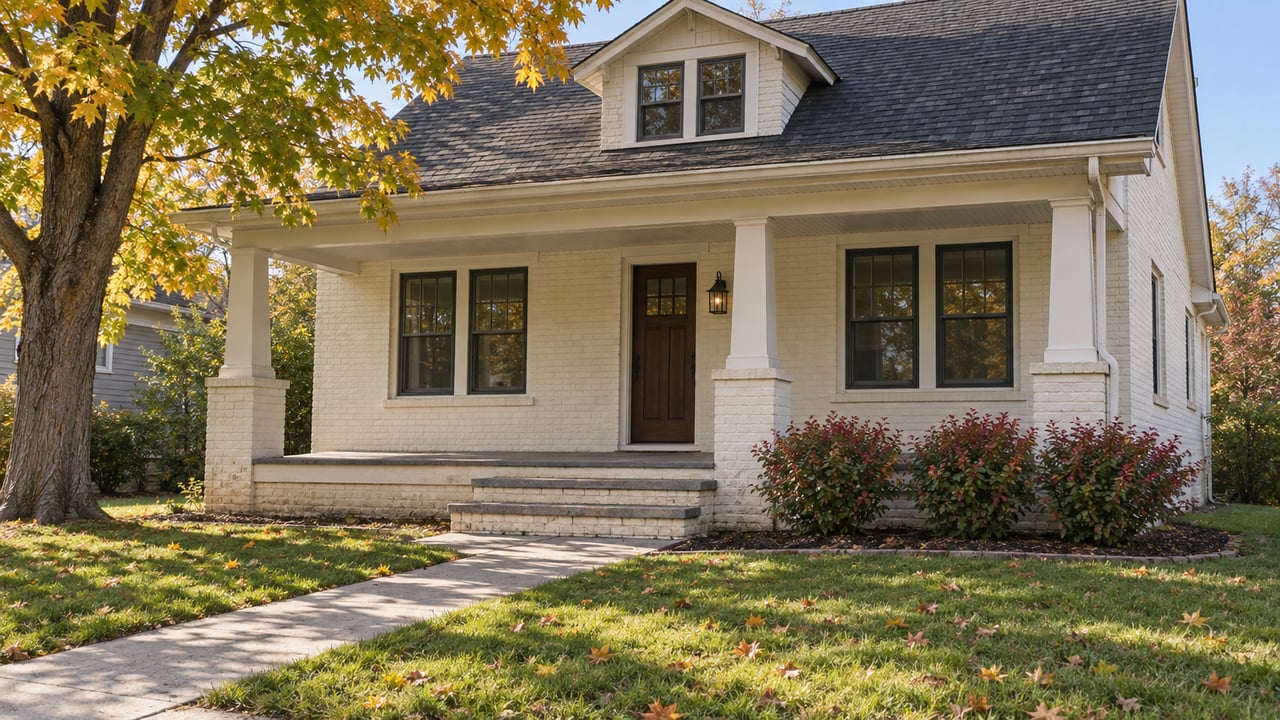
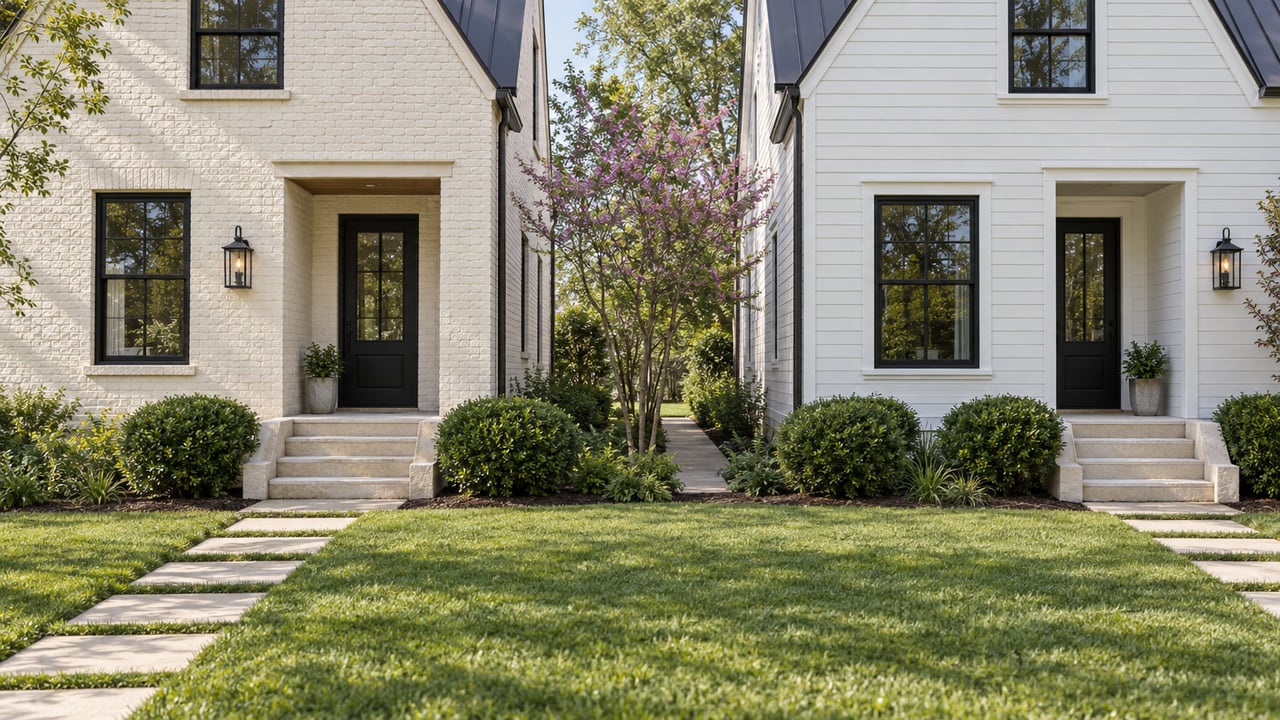
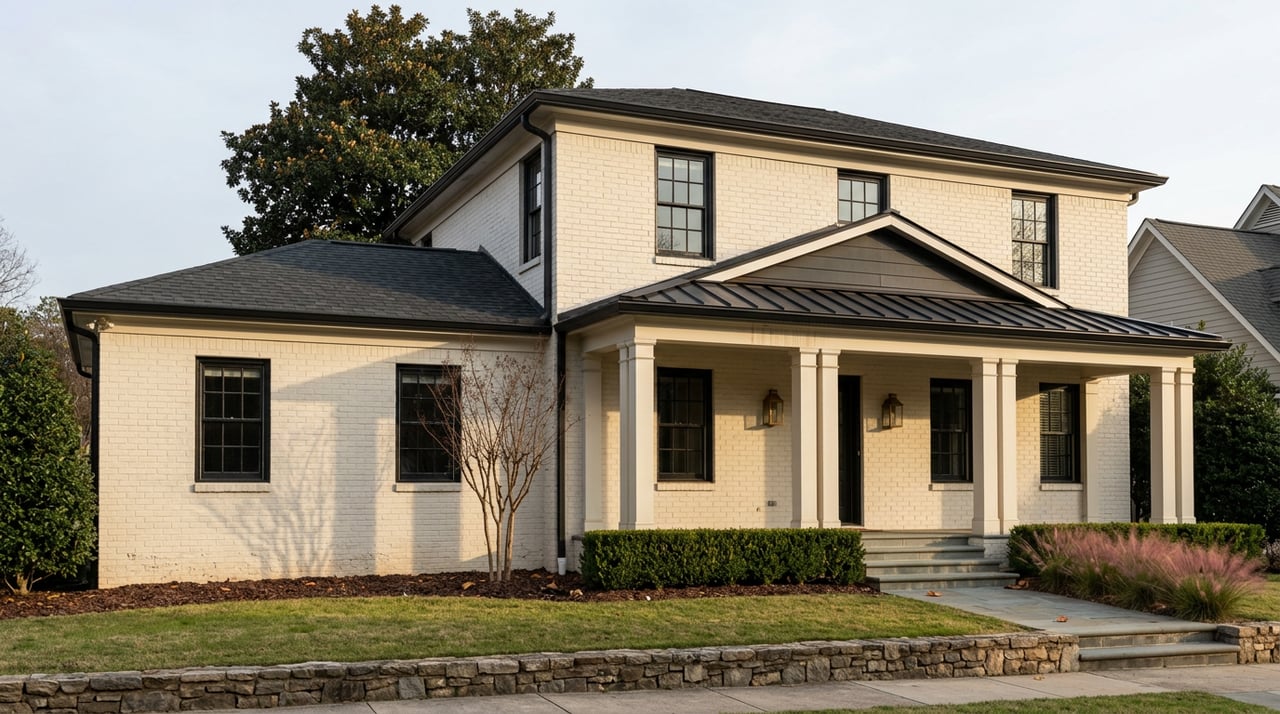
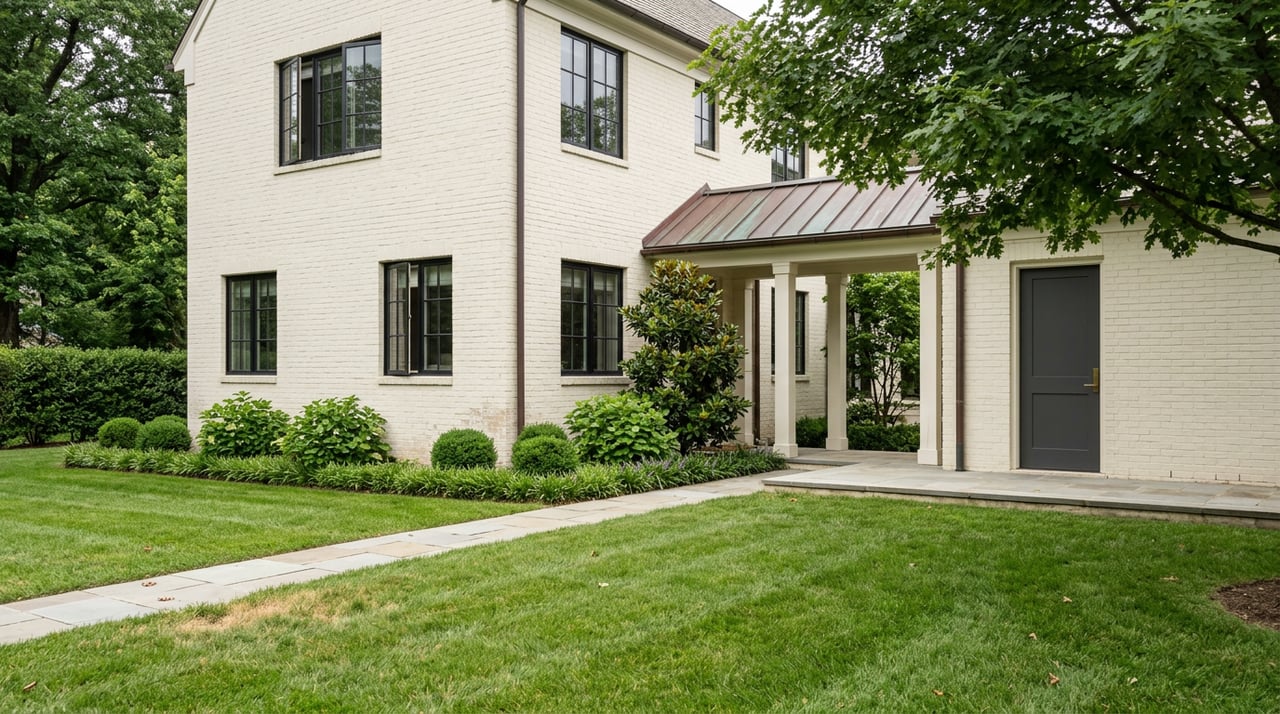
That gap exists because the city's stated goal, going back to when it created the overlay in 2019, was never to block growth outright. Belle Meade's director of building and zoning at the time, Lyle Patterson, told Community Impact that the city had seen roughly 30 homes demolished and rebuilt over the prior two years, and that the concern was less about the number of teardowns and more about a specific style, white brick with a pointed roofline and black windows, migrating in from Green Hills and changing the visual character block by block. A resident quoted around the same time by WZTV put it more plainly: most Belle Meade homeowners, when surveyed, said they wanted as little change as possible. The commission was built to slow that pace down, not stop it, and the paperwork reflects that intent seven years later.
The Practical Takeaway
None of this means Belle Meade is a difficult place to build. It means the sequence matters. A property that shows well but sits close to its FAR ceiling, or carries a mature tree canopy that will need permits before a single wall comes down, is a different underwriting problem than a comparable-looking lot without those constraints. The house you can build should be settled before the offer goes in, not discovered during the renovation.
That is the piece of the process Stephanie Lowe's background in development and construction is built to handle. Running L & S Development and Bluegrass Construction alongside her brokerage work means the zoning math, the HZC calendar, and the stormwater review get evaluated at the same time as the comps, not after the ink is dry.
Frequently Asked Questions
Does every renovation in Belle Meade need Historic Zoning Commission approval? Interior changes generally do not require a Certificate of Appropriateness. Exterior changes, additions, and new construction typically do, and the city recommends contacting the Planning Department before starting any building project to confirm what applies.
How long is a Certificate of Appropriateness valid once it's approved? One year from the date of issuance. If no work begins in that window, the application has to be resubmitted.
Is Belle Meade's zoning process different from the rest of Nashville? Yes. Belle Meade is its own incorporated city within Davidson County and runs its own Building and Zoning Department and Historic Zoning Commission, separate from Metro Nashville's historic zoning process that governs neighborhoods like 12 South or Germantown.
If you are weighing a renovation, an addition, or a full rebuild in Belle Meade, the zoning math and the commission calendar deserve the same attention as the floor plan. Schedule a consultation with Stephanie Lowe before you write the offer, not after.
This article is general information, not legal, tax or financial advice. Consult a qualified professional about your situation.