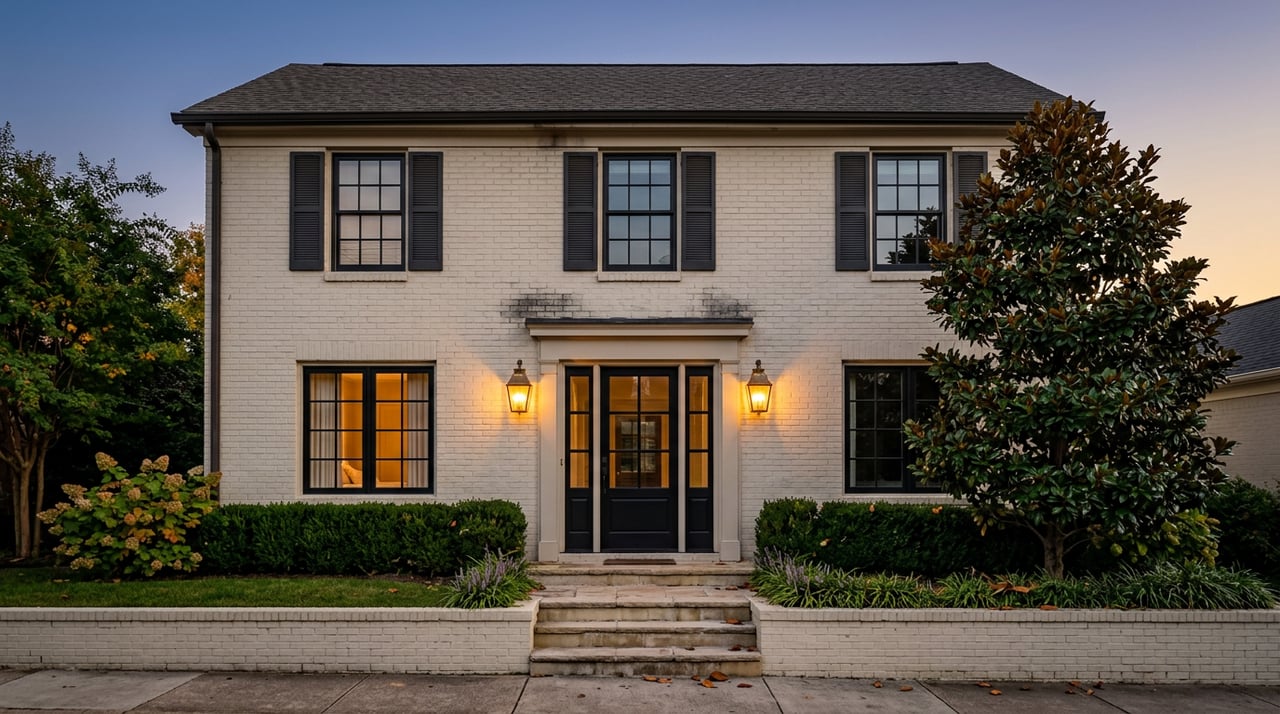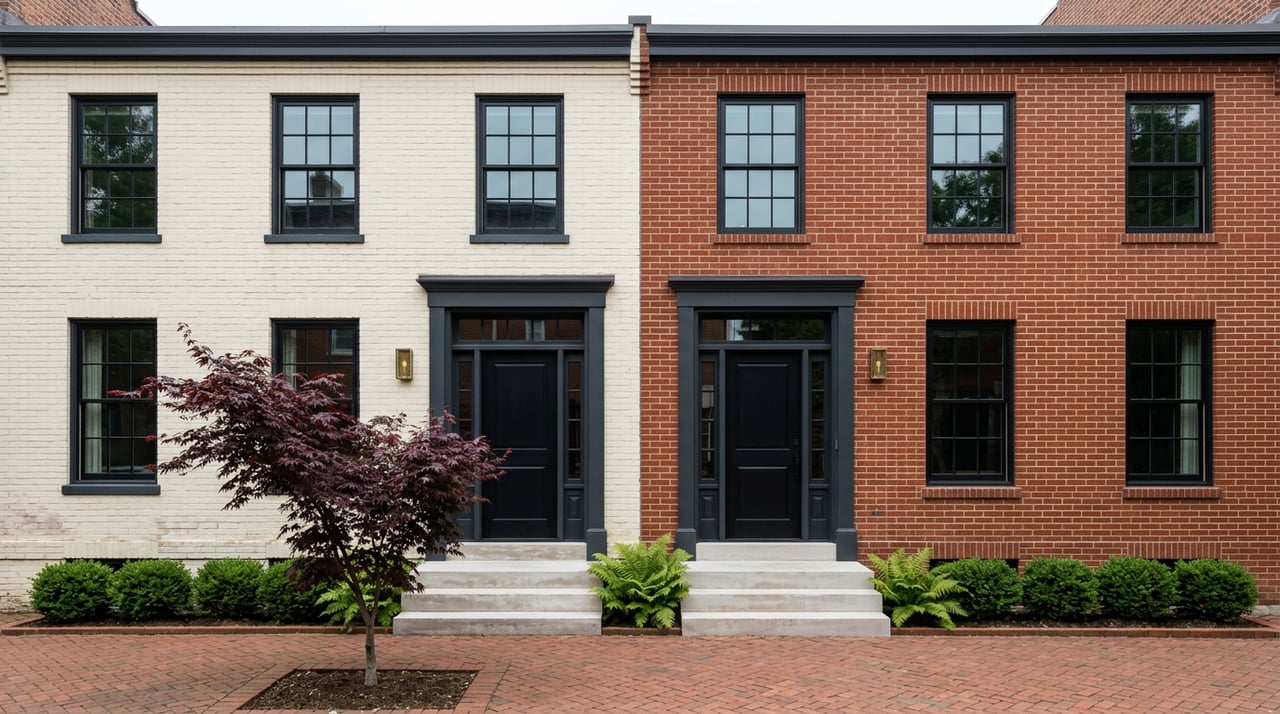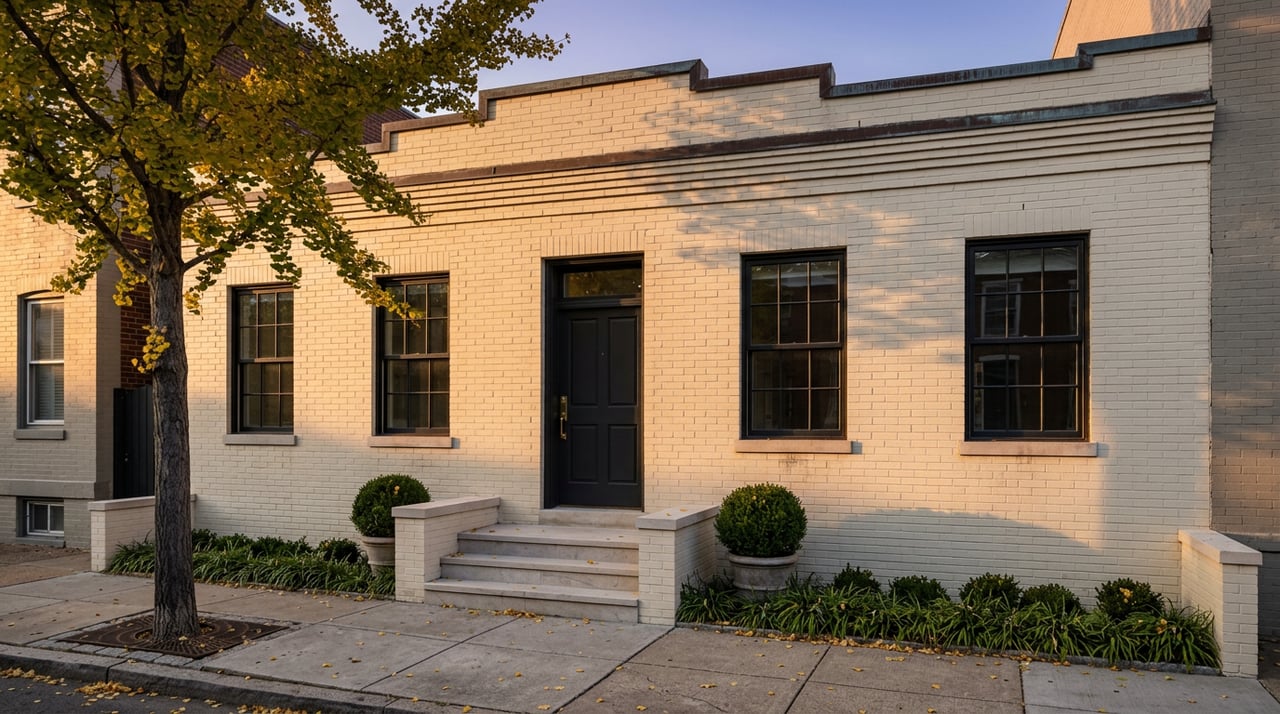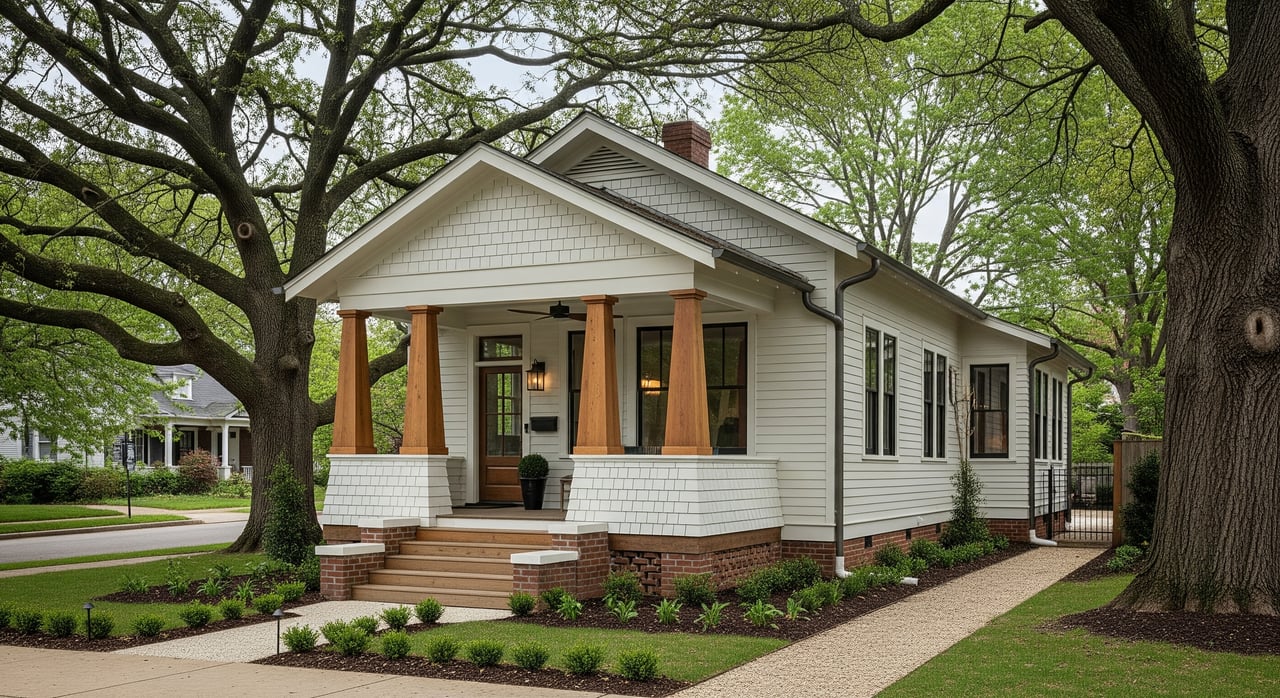
Eyeing a “tall skinny” in The Nations or Charlotte Park and noticing HPR in the listing? You’re not alone. Horizontal Property Regimes are common in West Nashville, and they change how ownership, maintenance, and financing work. In this guide, you’ll learn what an HPR home is, how it affects your due diligence, and what to watch for before you write an offer. Let’s dive in.
HPR basics in The Nations
An HPR, or Horizontal Property Regime, is a legal structure that divides a property so multiple owners hold title to their own unit while sharing certain common elements. In The Nations and Charlotte Park, this often means two or more newly built homes on what used to be a single lot. Each home has a separate deed and address, and the shared elements are outlined in recorded HPR documents.
The HPR declaration and plat explain exactly what you own and what is shared. Common elements can include driveways, party walls, roofs, retaining walls, drainage systems, or utility lines. Because the documents control rights and responsibilities, your experience can feel like a single-family home in some HPRs and more condo-like in others.
How ownership and maintenance work
Your parcel vs. common areas
You typically own your horizontal parcel in fee simple and an undivided interest in common elements. The HPR documents define what is “private” versus “common.” For example, siding or roof sections may be your responsibility if they serve only your unit, while shared retaining walls or driveways may be handled collectively.
Association and dues
Many HPRs create an owners’ association or a shared maintenance agreement. Dues and rules vary. Some are professionally managed with budgets and reserves. Others are self-managed by a small group of neighbors. The more clearly the documents define responsibilities and funding, the smoother your ownership experience will be.
Insurance and taxes
Insurance obligations also stem from the declaration. Some associations insure the building shell and common elements, and you carry interior coverage. In other cases, you insure the exterior of your home as well. Property taxes are usually billed per parcel. You can confirm parcel numbers and tax treatment through recorded deeds and county assessor records.
Financing, appraisal, and insurance
Lender expectations
Lenders want a clear legal description, proper title evidence, and documentation that your HPR unit can be conveyed separately. Underwriting will review the declaration, the association’s financials, any assessments, insurance, and restrictions like rentals. Not all loan programs fit every HPR. A lender experienced with Nashville HPR projects can help you avoid delays.
Appraisal considerations
Appraisers look for comparable sales of similar HPR homes in West Nashville. If comps are mixed between HPR and standard single-family, value calls can be more subjective. Shared maintenance obligations, unusual lot layouts, or pending assessments can affect the appraised value.
Insurance types
If the association covers the building shell, you will likely need an HO-6 style policy for interiors and contents. If you are responsible for exterior elements, a standard homeowner policy may be required. Your lender will ask for proof of adequate coverage before closing.
Resale and marketability
What helps value
Clear, well-drafted documents, stable budgets and reserves, and minimal disputes increase buyer confidence. Reasonable dues, good maintenance of shared elements, and professional management also support strong resale appeal.
Risks to watch
Special assessments, ambiguous maintenance rules, or poorly maintained shared features can reduce buyer demand. Limited financing options can narrow the buyer pool. Title defects, unclear boundary descriptions, or missing recorded plats can also slow a sale.
Your due diligence checklist
Request and review these items during your contingency period:
- Recorded Declaration of HPR and recorded Plat or Survey
- CC&Rs and any amendments or supplements
- Bylaws and association rules
- Current budget, most recent financial statements, and any reserve study
- Meeting minutes for the past 12 to 24 months
- Estoppel certificate showing current dues and any special assessments
- Association insurance declarations and required owner insurance
- Title commitment showing exceptions, easements, and legal description
- Permits or building approvals from Metro Nashville Codes
Schedule inspections and technical checks:
- Standard home inspection with emphasis on roof, foundation, drainage, retaining walls, and party walls
- Survey or recorded plat review to confirm boundaries, setbacks, and easements
- Utility verification to confirm separate meters or shared billing
Key questions for the seller or HOA:
- Who is responsible for roof, exterior, foundation, and retaining wall repairs?
- Are any special assessments pending or planned? Any major repairs coming up?
- Is the association professionally managed? What are current dues and delinquency rates?
- Are rentals allowed? Are there caps or restrictions?
- Any disputes, litigation, or code violations affecting the property or common elements?
Local next steps in Davidson County
Use official records to verify the property’s status. Review the recorded declaration and plat at the county Register of Deeds. Confirm parcel numbers and tax details with the Property Assessor. Check Metro Nashville Codes and building permits for past work, especially on shared systems or party walls. These sources help you confirm boundaries, easements, and compliance.
Build the right team
- Real estate agent with HPR experience in The Nations and Charlotte Park. Local expertise speeds up document review, negotiations, and vendor referrals.
- Real estate attorney in Tennessee to interpret the declaration, plat, title exceptions, and any party-wall or easement language.
- Lender familiar with Nashville HPR financing to confirm program eligibility early.
- Title company to issue a title commitment and collect all recorded documents.
- Licensed surveyor if boundaries are unclear and a home inspector who understands shared systems.
A simple buyer timeline
- Make an offer with contingencies for HPR document review, title, insurance, and lender approval.
- During your contingency period, obtain HOA documents, financials, estoppel, insurance certificate, and the title commitment.
- Complete inspections and review the survey or plat.
- Confirm loan eligibility and secure pre-approval with an HPR-experienced lender.
- Review findings with your agent and attorney and negotiate repairs or credits as appropriate.
The bottom line
HPR homes are a defining feature of The Nations and Charlotte Park. They can deliver space, new construction, and a great West Nashville location. The key is understanding exactly what you own, how maintenance and insurance work, and what your lender and appraiser will require. With clear documents and the right team, you can buy with confidence.
If you want a local guide who understands HPR structures, design-forward construction, and West Nashville infill, connect with Stephanie Lowe. Schedule a consultation and get a clear plan for your next move.
FAQs
What is an HPR home in The Nations?
- An HPR home is a unit in a Horizontal Property Regime where you own your parcel and share specified common elements, as defined by the recorded declaration and plat.
How is an HPR different from a single-family home?
- The HPR declaration, not standard single-family rules, sets maintenance, insurance, and shared responsibilities, which can feel condo-like or single-family depending on the documents.
Can I use FHA or VA financing on an HPR?
- It depends on the lender and project eligibility. Some HPRs meet program requirements while others do not, so check with an HPR-experienced lender early.
Who pays for the roof and exterior in an HPR?
- The declaration controls this. Some associations handle exterior maintenance, while others assign roof or siding to the individual owner if it only serves that unit.
What insurance do I need for an HPR home?
- If the association insures the building shell, you likely need an HO-6 policy for interiors and contents. If you insure the exterior too, a standard homeowner policy may be required.
Are special assessments common with HPRs?
- They can occur, especially for major shared items like retaining walls or drainage. Review budgets, reserves, minutes, and estoppel letters to gauge risk.
How do property taxes work for HPR units?
- Many HPR homes receive a separate parcel number and tax bill. Confirm the parcel and assessment details in county records during due diligence.
Can I rent out an HPR home in Charlotte Park?
- Possibly, but you must follow the HPR rules. Check rental permissions, caps, and restrictions in the recorded documents before you buy.